- Today
- Holidays
- Birthdays
- Reminders
- Cities
- Atlanta
- Austin
- Baltimore
- Berwyn
- Beverly Hills
- Birmingham
- Boston
- Brooklyn
- Buffalo
- Charlotte
- Chicago
- Cincinnati
- Cleveland
- Columbus
- Dallas
- Denver
- Detroit
- Fort Worth
- Houston
- Indianapolis
- Knoxville
- Las Vegas
- Los Angeles
- Louisville
- Madison
- Memphis
- Miami
- Milwaukee
- Minneapolis
- Nashville
- New Orleans
- New York
- Omaha
- Orlando
- Philadelphia
- Phoenix
- Pittsburgh
- Portland
- Raleigh
- Richmond
- Rutherford
- Sacramento
- Salt Lake City
- San Antonio
- San Diego
- San Francisco
- San Jose
- Seattle
- Tampa
- Tucson
- Washington
Unusual April Rain Boosts Idaho Snowpack, But Concerns Remain
Experts say recent precipitation helps, but overall water supply still below normal levels
Apr. 14, 2026 at 3:49am
Got story updates? Submit your updates here. ›
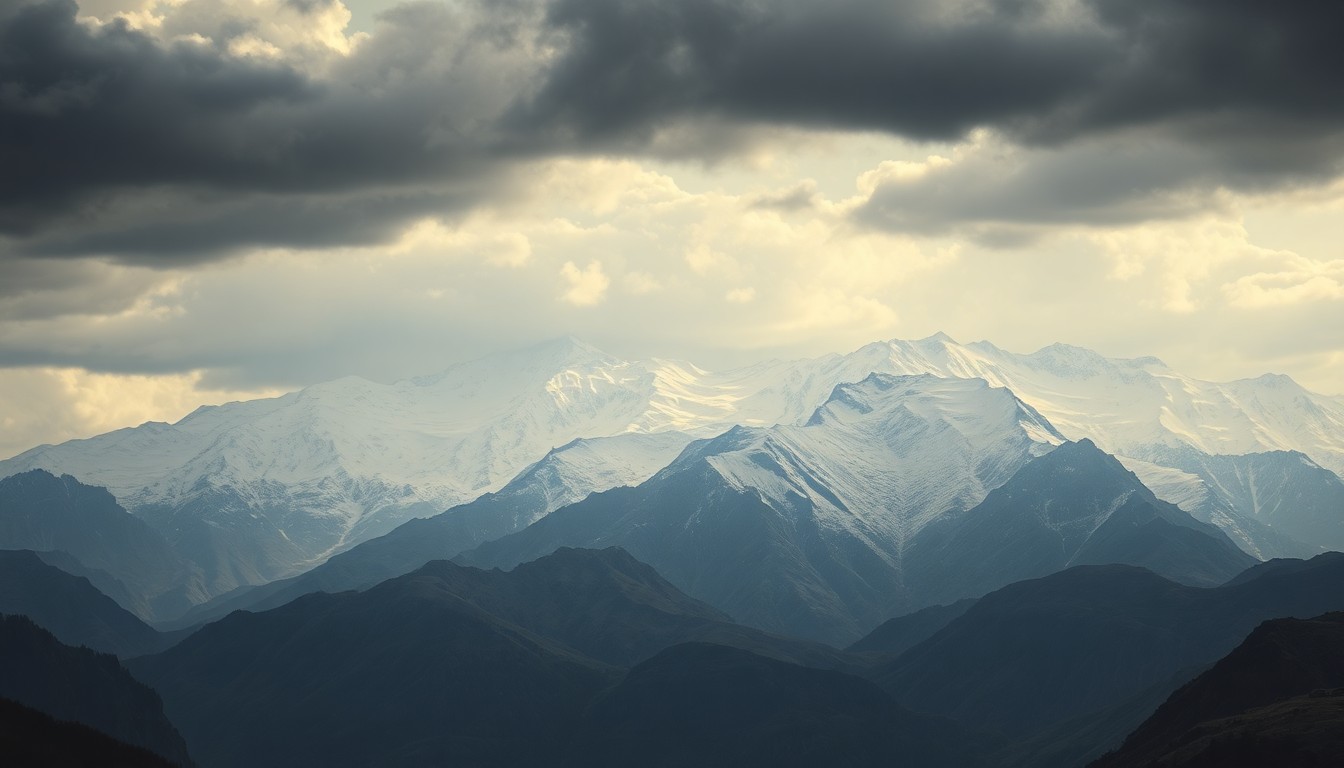 The towering Idaho mountains, shrouded in mist, serve as a stark reminder of the region's reliance on dwindling snowpack for its water supply.Boise Today
Unusually heavy April rain has brought short-term benefits to southwest Idaho, including improved soil moisture and streamflows. However, meteorologists warn that the region's snowpack remains well below normal levels, leaving the overall water supply outlook a concern despite the recent precipitation.
Why it matters
Idaho's water supply is heavily dependent on mountain snowpack, which provides crucial runoff during the spring and summer months. With snowpack levels lagging far behind typical levels, the region faces potential water shortages and impacts to agriculture, recreation, and other industries that rely on adequate water resources.
The details
The Treasure Valley has seen around 2.4 inches of rain at the Boise airport over a short period, placing it among the top 10 wettest early April stretches on record. This has helped recharge soil moisture and improve streamflows, but experts say it is not enough to offset the significant snowpack deficit built up over the winter months. While the recent rain is beneficial, the region is unlikely to fully recover from the lack of mountain snowpack this year.
- The Treasure Valley has seen around 2.4 inches of rain at the Boise airport over a short period.
- This places the recent rainfall among the top 10 wettest early April stretches on record.
The players
Troy Lindquist
A meteorologist with the National Weather Service who provided insights on the current water supply situation in Idaho.
What they’re saying
“We started off this water year with really good carryover in the reservoir systems from last year. So we had a good start as far as storage water goes. Then our precipitation during the fall and especially through the first half of the winter... we ended up with rain and not much snow.”
— Troy Lindquist, Meteorologist, National Weather Service
“Despite the low snowpack, we're happy to see this current rainfall. It does help recharge the soil moisture... which is healthy for stream flows and so forth. But as far as water supply goes... we're still much below normal.”
— Troy Lindquist, Meteorologist, National Weather Service
What’s next
Experts will continue to monitor the region's snowpack and water supply levels as the spring and summer seasons progress, to determine the potential impacts and any necessary conservation measures.
The takeaway
While the recent April rain has provided a short-term boost, the persistent lack of mountain snowpack in Idaho remains a significant concern for the region's long-term water supply. Ongoing monitoring and potential conservation efforts will be crucial as the state navigates this challenging water situation.
Boise top stories


Boise events

Apr. 14, 2026
JOURNEY - Final Frontier Tour (An Evening With)
Apr. 15, 2026
Freddie Dredd - Back To Hell Tour