- Today
- Holidays
- Birthdays
- Reminders
- Cities
- Atlanta
- Austin
- Baltimore
- Berwyn
- Beverly Hills
- Birmingham
- Boston
- Brooklyn
- Buffalo
- Charlotte
- Chicago
- Cincinnati
- Cleveland
- Columbus
- Dallas
- Denver
- Detroit
- Fort Worth
- Houston
- Indianapolis
- Knoxville
- Las Vegas
- Los Angeles
- Louisville
- Madison
- Memphis
- Miami
- Milwaukee
- Minneapolis
- Nashville
- New Orleans
- New York
- Omaha
- Orlando
- Philadelphia
- Phoenix
- Pittsburgh
- Portland
- Raleigh
- Richmond
- Rutherford
- Sacramento
- Salt Lake City
- San Antonio
- San Diego
- San Francisco
- San Jose
- Seattle
- Tampa
- Tucson
- Washington
Fort Lauderdale Vice Mayor Defends Controversial Las Olas Tree Removal
John Herbst explains why he voted to uproot the black olive trees along the iconic boulevard despite objections from some residents.
Feb. 14, 2026 at 2:47pm
Got story updates? Submit your updates here. ›
Fort Lauderdale Vice Mayor John Herbst has written an op-ed defending the city's decision to remove the aging black olive trees along Las Olas Boulevard, a move that has stirred strong emotions among residents and visitors who treasure the iconic landscape. Herbst acknowledges the deep meaning and history of Las Olas, but argues that preserving the boulevard's vitality for the next century requires modernizing the infrastructure and replacing the failing tree canopy, even if it means changing the familiar character of the street.
Why it matters
Las Olas Boulevard is considered the heart and identity of Fort Lauderdale, with deep emotional and historical significance for the community. The decision to remove the black olive trees that have defined the median has sparked backlash from those who want to preserve the street's existing character. However, city leaders argue the changes are necessary to address infrastructure issues, improve pedestrian safety, and ensure Las Olas can thrive for the next 100 years.
The details
The city's plan calls for replacing the failing black olive trees with more than 90 new trees, expanding pedestrian space, and modernizing the corridor's infrastructure. Herbst says the goal is not to replace Las Olas, but to restore its vitality. He notes the plan was developed over multiple years with extensive public input, though reasonable people may disagree on the design choices.
- The Fort Lauderdale City Commission faced the decision about the Las Olas redesign after years of study, design revisions, and more than 100 public meetings and workshops.
- The adopted plan will replace the existing black olive trees, which are in visible decline.
The players
John Herbst
The vice mayor of Fort Lauderdale who voted to remove the black olive trees along Las Olas Boulevard.
Fort Lauderdale City Commission
The city government body that made the decision to redesign Las Olas Boulevard, including the removal of the black olive trees.
What they’re saying
“Few places in Fort Lauderdale carry the emotional, historical and civic weight of Las Olas Boulevard. For generations, it has been more than a street. It is our shared front porch, our economic heart, and a symbol of the city's identity stretching back to the earliest days of modern Fort Lauderdale.”
— John Herbst, Vice Mayor of Fort Lauderdale
“Doing nothing is also a decision — and in mature urban districts, it often leads to gradual deterioration rather than preservation.”
— John Herbst, Vice Mayor of Fort Lauderdale
What’s next
The adopted plan for the Las Olas redesign will now move forward, with the city replacing the black olive trees and modernizing the corridor's infrastructure.
The takeaway
This decision highlights the challenge of balancing preservation and progress in iconic public spaces. While change can be difficult, Fort Lauderdale's leaders argue the Las Olas redesign is necessary to ensure the boulevard's long-term vitality, even if it means removing familiar elements of the streetscape.
Fort Lauderdale top stories



Fort Lauderdale events
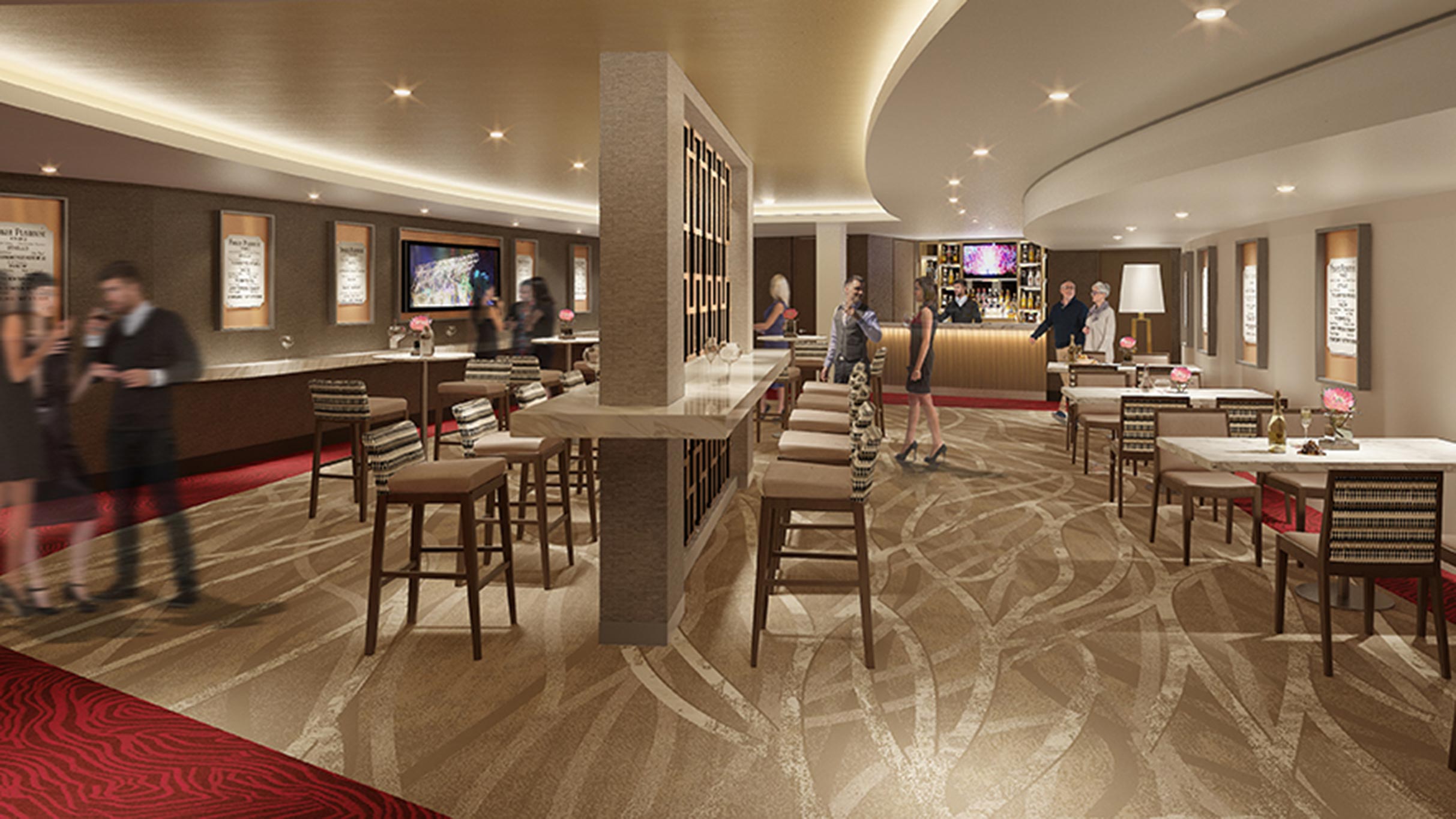
Mar. 28, 2026
The Haller Club prior to Leonid & Friends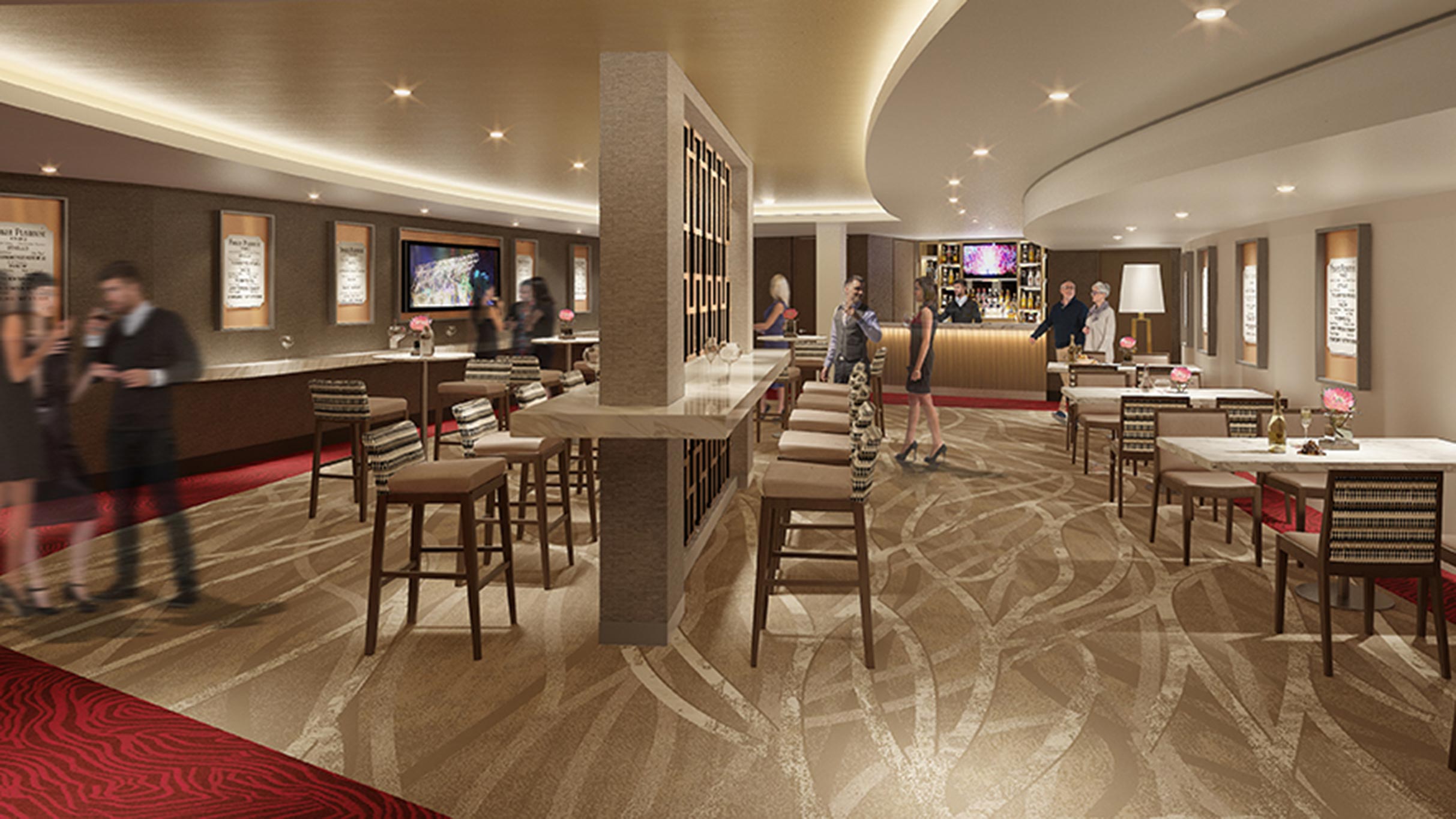
Mar. 29, 2026
The Haller Club prior to The Simon & Garfunkel Story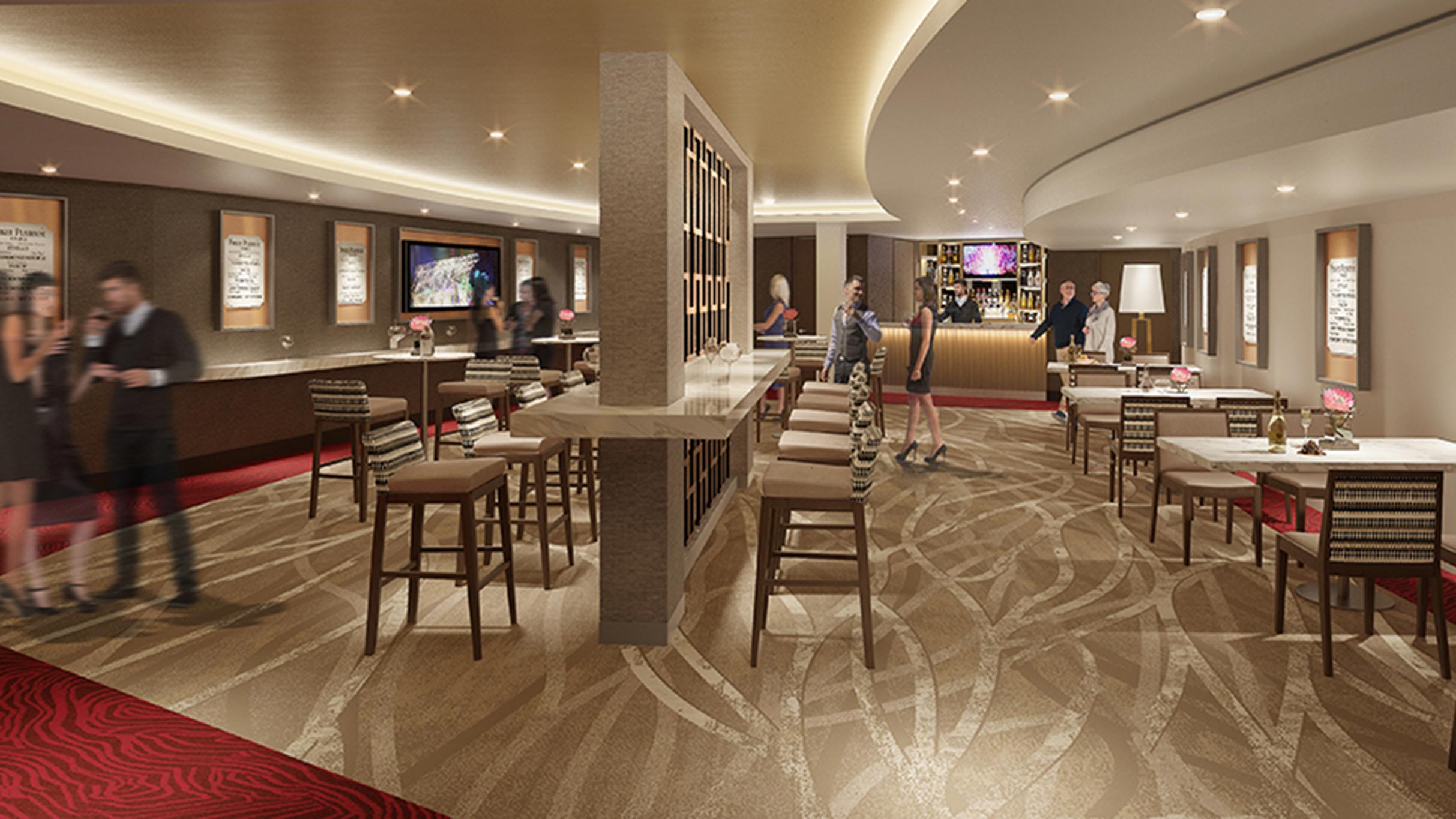
Mar. 29, 2026
The Haller Club prior to The Simon & Garfunkel Story