- Today
- Holidays
- Birthdays
- Reminders
- Cities
- Atlanta
- Austin
- Baltimore
- Berwyn
- Beverly Hills
- Birmingham
- Boston
- Brooklyn
- Buffalo
- Charlotte
- Chicago
- Cincinnati
- Cleveland
- Columbus
- Dallas
- Denver
- Detroit
- Fort Worth
- Houston
- Indianapolis
- Knoxville
- Las Vegas
- Los Angeles
- Louisville
- Madison
- Memphis
- Miami
- Milwaukee
- Minneapolis
- Nashville
- New Orleans
- New York
- Omaha
- Orlando
- Philadelphia
- Phoenix
- Pittsburgh
- Portland
- Raleigh
- Richmond
- Rutherford
- Sacramento
- Salt Lake City
- San Antonio
- San Diego
- San Francisco
- San Jose
- Seattle
- Tampa
- Tucson
- Washington
U.S. Senate Overrides Mining Ban in Boundary Waters
Senate Republicans use controversial Congressional Review Act to allow toxic sulfide mining in Minnesota wilderness area
Apr. 17, 2026 at 2:36am
Got story updates? Submit your updates here. ›
 The Senate's decision to allow mining near the Boundary Waters threatens to disrupt the wilderness area's tranquil natural beauty.Washington Today
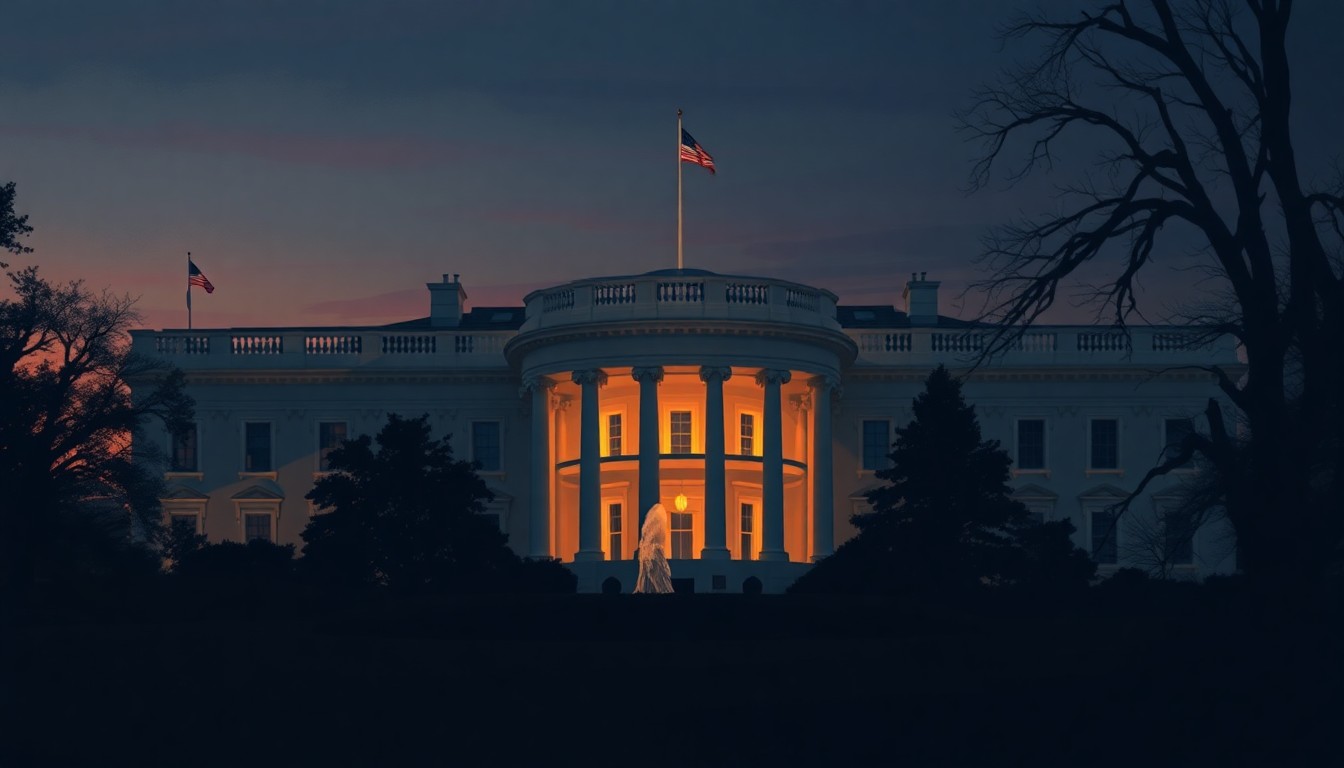
In a 50-49 vote, the U.S. Senate has approved a proposal backed by the Trump Administration to overturn a 20-year moratorium on mining in the watershed of the Boundary Waters Canoe Area Wilderness, one of the country's most visited wilderness regions. The House had previously approved a similar resolution, and the bill now heads to the White House where President Trump is expected to sign it into law.
Why it matters
The Boundary Waters is a beloved natural area in Minnesota known for its pristine lakes, rivers, and forests. Environmental groups argue that allowing toxic sulfide mining in the watershed puts this fragile ecosystem at risk of pollution and degradation, prioritizing corporate interests over conservation and public access.
The details
Using a controversial interpretation of the Congressional Review Act, which typically only allows Congress to disapprove of administrative rules, Senate Republicans were able to overturn the 20-year mining moratorium in the Superior National Forest and Boundary Waters watershed. This clears the way for a foreign mining company to potentially open a new sulfide mine on the doorstep of the wilderness area, despite concerns about the industry's poor track record of preventing spills and environmental damage.
- In January 2026, the House approved a similar resolution to overturn the mining ban.
- On April 16, 2026, the U.S. Senate voted 50-49 to approve the proposal to allow mining in the Boundary Waters watershed.
- The bill is now headed to the White House, where President Trump is expected to sign it into law.
The players
U.S. Senate
The upper chamber of the U.S. Congress that voted 50-49 to approve the proposal to overturn the mining ban in the Boundary Waters watershed.
Trump Administration
The presidential administration that backed the controversial proposal to allow toxic sulfide mining in the Boundary Waters area.
Athan Manuel
The director of the Sierra Club's Lands Protection Program, who criticized the Senate's decision as putting a fragile ecosystem at risk for the benefit of corporations.
Margaret Levin
The State Director of the North Star Chapter of the Sierra Club, who argued that the Boundary Waters' clean water should be protected from the poor environmental track record of copper sulfide mining.
What they’re saying
“The Boundary Waters is one of the country's most iconic wilderness areas, visited by thousands every year. It should be a place for recreation and conservation, not for pollution and exploitation. Allowing a foreign company to open a toxic mine on its doorstep puts a fragile ecosystem at risk and shows the Trump Administration will always act to benefit corporations over the American people.”
— Athan Manuel, Director of Sierra Club's Lands Protection Program
“Water is life. As Minnesotans we know this in our souls. We are so proud of being the land of 10,000 lakes. These copper sulfide mining projects have terrible track records – in fact a 100 percent failure rate at preventing spills. They simply do not belong in our water-rich state. It is our right and duty to protect this water. Republicans are voting against American's interest in clean water.”
— Margaret Levin, State Director of the North Star Chapter of the Sierra Club
What’s next
The bill now heads to the White House, where President Trump is expected to sign it into law, overriding the 20-year mining moratorium in the Boundary Waters watershed.
The takeaway
This decision by the Senate highlights the ongoing tensions between environmental protection and corporate interests, as well as the potential misuse of legislative tools like the Congressional Review Act to override long-standing conservation policies. The fate of the Boundary Waters remains uncertain, with the future of this iconic wilderness area now in the hands of the White House.
Washington top stories


Washington events

Apr. 17, 2026
Washington Nationals vs. San Francisco Giants
Apr. 17, 2026
GoldFord: Space of the Heart Tour
Apr. 17, 2026
Black Pistol Fire - Flagrant Act of Bliss