- Today
- Holidays
- Birthdays
- Reminders
- Cities
- Atlanta
- Austin
- Baltimore
- Berwyn
- Beverly Hills
- Birmingham
- Boston
- Brooklyn
- Buffalo
- Charlotte
- Chicago
- Cincinnati
- Cleveland
- Columbus
- Dallas
- Denver
- Detroit
- Fort Worth
- Houston
- Indianapolis
- Knoxville
- Las Vegas
- Los Angeles
- Louisville
- Madison
- Memphis
- Miami
- Milwaukee
- Minneapolis
- Nashville
- New Orleans
- New York
- Omaha
- Orlando
- Philadelphia
- Phoenix
- Pittsburgh
- Portland
- Raleigh
- Richmond
- Rutherford
- Sacramento
- Salt Lake City
- San Antonio
- San Diego
- San Francisco
- San Jose
- Seattle
- Tampa
- Tucson
- Washington
DC Mayor Declares Emergency, Reinstates Juvenile Curfew After Weeks of Teen Chaos
Curfew aims to curb unruly spring break behavior and public disturbances in the nation's capital
Apr. 17, 2026 at 9:50am
Got story updates? Submit your updates here. ›
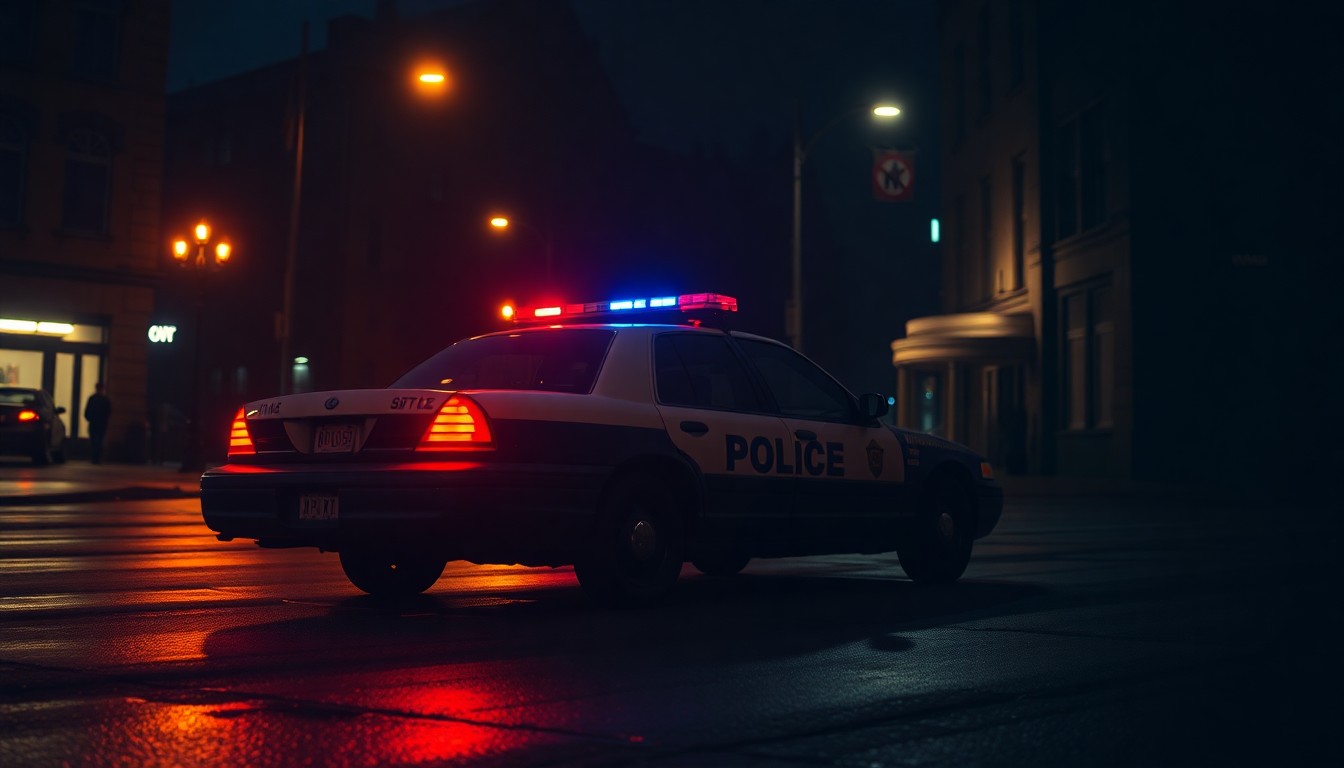 The reinstated juvenile curfew in Washington, DC aims to curb unruly spring break behavior, but critics argue such measures can displace rather than prevent crime.Washington Today
Washington DC Mayor Muriel Bowser has re-introduced a curfew on under 18s and declared a public emergency in response to several weeks of disorderly behavior and public disturbances by large groups of teens in the city. The curfew, which bans minors from gathering in public places between 11 p.m. and 6 a.m., comes after viral videos showed spring breakers brawling and causing chaos in neighborhoods like Navy Yard. Parents of curfew violators could face fines or community service penalties.
Why it matters
The curfew and emergency declaration highlight the challenges cities face in managing unruly youth behavior, especially during peak travel seasons like spring break. While some see curfews as a necessary tool, critics argue they can displace crime rather than prevent it and unfairly target young people. The situation in DC raises broader questions about youth engagement, public safety, and the effectiveness of curfew policies.
The details
The curfew, which went into effect on Thursday, April 17, 2026, prohibits minors from gathering in public places between 11 p.m. and 6 a.m. It will remain in place until May 1 and could be extended. Parents of curfew violators face fines up to $500 or community service, while youth offenders could be ordered to perform up to 25 hours of community service. There are some exemptions, such as for teens running errands, exercising First Amendment rights, or returning from work. The curfew was prompted by several weeks of disorderly behavior, including fights and property damage, that went viral on social media.
- The curfew went into effect on Thursday, April 17, 2026.
- The curfew is currently set to remain in place until May 1, 2026, but could be extended.
The players
Muriel Bowser
The mayor of Washington, DC who declared a public emergency and reinstated the juvenile curfew in response to weeks of unruly teen behavior in the city.
What they’re saying
“It's not the only tool, but we need it.”
— Muriel Bowser, Mayor of Washington, DC
“A fight happened right in front of the Takumi. You know kids slammed on the glass. But, you know, probably happened for about 4 to 5 hours, which is a lot more than usual.”
— Estifanos Lulseged, Bartender
“This was the view: chaos spilling into the streets, fights breaking out, and large groups of teens running through the area. This isn't a one-off – it's a repeat pattern and it's happening later and later into the night. At some point, we have to ask: how many times does this need to happen before real accountability and prevention measures are put in place?”
— Elissa de Souza
What’s next
The judge overseeing the curfew order will review the policy and decide whether to extend it beyond the initial May 1 end date.
The takeaway
The curfew and emergency declaration in DC highlight the challenges cities face in balancing public safety with civil liberties when dealing with unruly youth behavior, especially during peak travel seasons. While curfews may be a necessary tool, critics argue they can displace crime rather than prevent it and unfairly target young people, raising broader questions about effective approaches to youth engagement and public order.
Washington top stories

Washington events
Apr. 17, 2026
Washington Nationals vs. San Francisco Giants
Apr. 17, 2026
GoldFord: Space of the Heart Tour
Apr. 17, 2026
Black Pistol Fire - Flagrant Act of Bliss