- Today
- Holidays
- Birthdays
- Reminders
- Cities
- Atlanta
- Austin
- Baltimore
- Berwyn
- Beverly Hills
- Birmingham
- Boston
- Brooklyn
- Buffalo
- Charlotte
- Chicago
- Cincinnati
- Cleveland
- Columbus
- Dallas
- Denver
- Detroit
- Fort Worth
- Houston
- Indianapolis
- Knoxville
- Las Vegas
- Los Angeles
- Louisville
- Madison
- Memphis
- Miami
- Milwaukee
- Minneapolis
- Nashville
- New Orleans
- New York
- Omaha
- Orlando
- Philadelphia
- Phoenix
- Pittsburgh
- Portland
- Raleigh
- Richmond
- Rutherford
- Sacramento
- Salt Lake City
- San Antonio
- San Diego
- San Francisco
- San Jose
- Seattle
- Tampa
- Tucson
- Washington
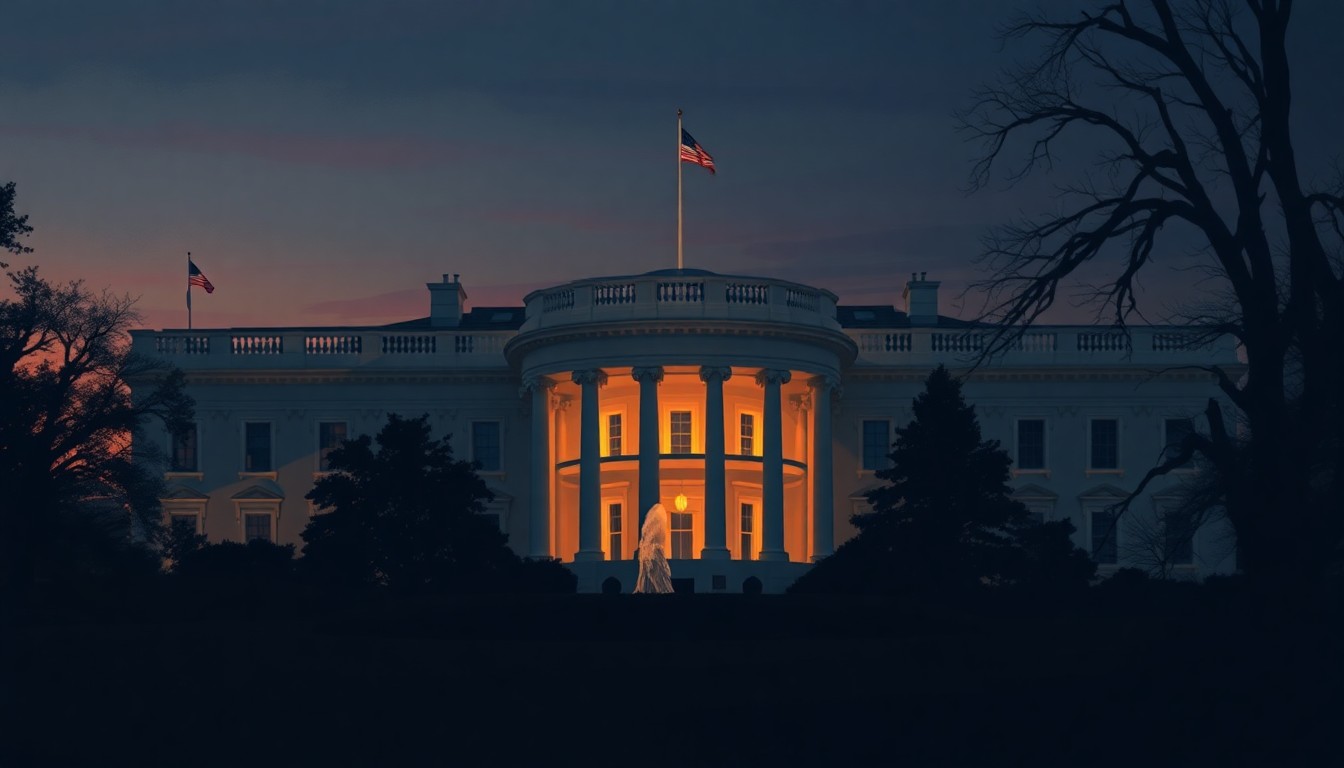
White House Proposes Massive Boost in Military Spending
Budget director defends plan for $1.5 trillion in defense funding amid ongoing war in Iran
Apr. 15, 2026 at 9:42pm
Got story updates? Submit your updates here. ›
 The White House's call for a historic increase in defense spending amid an ongoing conflict raises concerns about the administration's priorities and the future direction of the country.Washington Today
President Donald Trump's budget director, Russell Vought, told Congress that a massive upfront investment is needed to ramp up U.S. weapons production and build more ships, planes, and drones. The White House is proposing nearly $1.5 trillion in defense spending for the next budget year, up from nearly $1 trillion this year, while cutting around 10% from non-defense programs.
Why it matters
The debate over Trump's proposal highlights the sharp divide in priorities between the administration and Democrats, which will shape significant policy debates leading into the midterm elections. The proposed defense spending increase is unprecedented in recent history and raises questions about the administration's focus on military buildup versus domestic programs.
The details
The $1.5 trillion defense budget request includes about $1.1 trillion through the regular appropriations process, which typically requires bipartisan support, and an additional $350 billion through a separate bill that Republicans can pass with party-line votes. Vought argued that the upfront investment is necessary to expand the defense industrial base and weapons stockpile. However, Democrats criticized the proposal as being out of touch with the needs of the American people, pointing to cuts in programs like healthcare, education, and housing.
- The proposed defense budget is for the next fiscal year, starting October 1, 2026.
- The current fiscal year's defense budget is nearly $1 trillion.
The players
Russell Vought
President Donald Trump's budget director, who testified before Congress in defense of the White House's proposed defense spending increase.
Brendan Boyle
The ranking Democratic member of the House committee that held the hearing, who criticized the administration's priorities as being "out of whack."
Jodey Arrington
The Republican chairman of the House committee, who opened the hearing by criticizing the Biden presidency and praising Trump's record.
Becca Balint
A Democratic representative who called the proposed defense spending increase "shocking" and questioned how it would be paid for by cutting domestic programs.
Veronica Escobar
A Democratic representative who asked Vought how much the administration would seek to fund the war in Iran during the current budget year.
What they’re saying
“For the industrial base to double or triple and build more facilities, not just add shifts, it requires multiyear agreements to purchase into the future. That cost has to be booked in this first year.”
— Russell Vought, Budget Director
“We've never in the history of this country seen spending like this, paid for by slashing health care, education and housing.”
— Becca Balint, Representative
“He is doing what is necessary to keep us safe, while at the same time trying to pursue diplomacy so that we can get out of wars and lower those costs over time.”
— Russell Vought, Budget Director
What’s next
Congress will need to approve the administration's budget proposal, which is likely to face significant opposition from Democrats. The debate over defense spending and priorities will be a key issue in the upcoming midterm elections.
The takeaway
The White House's push for a massive increase in defense spending while cutting domestic programs highlights the deep partisan divide in Washington. The proposal will be a major point of contention as lawmakers work to finalize the federal budget for the next fiscal year.
Washington top stories


Washington events

Apr. 18, 2026
DC Defenders vs. St. Louis Battlehawks
Apr. 18, 2026
Glow Block Party: Chris Lake
Apr. 18, 2026
Nimesh Patel: With All Due Disrespect Tour