- Today
- Holidays
- Birthdays
- Reminders
- Cities
- Atlanta
- Austin
- Baltimore
- Berwyn
- Beverly Hills
- Birmingham
- Boston
- Brooklyn
- Buffalo
- Charlotte
- Chicago
- Cincinnati
- Cleveland
- Columbus
- Dallas
- Denver
- Detroit
- Fort Worth
- Houston
- Indianapolis
- Knoxville
- Las Vegas
- Los Angeles
- Louisville
- Madison
- Memphis
- Miami
- Milwaukee
- Minneapolis
- Nashville
- New Orleans
- New York
- Omaha
- Orlando
- Philadelphia
- Phoenix
- Pittsburgh
- Portland
- Raleigh
- Richmond
- Rutherford
- Sacramento
- Salt Lake City
- San Antonio
- San Diego
- San Francisco
- San Jose
- Seattle
- Tampa
- Tucson
- Washington
US Threatens Sanctions on Buyers of Iranian Oil
Treasury Secretary warns China and other countries that they could face penalties for purchasing Iranian crude.
Apr. 15, 2026 at 9:57pm
Got story updates? Submit your updates here. ›
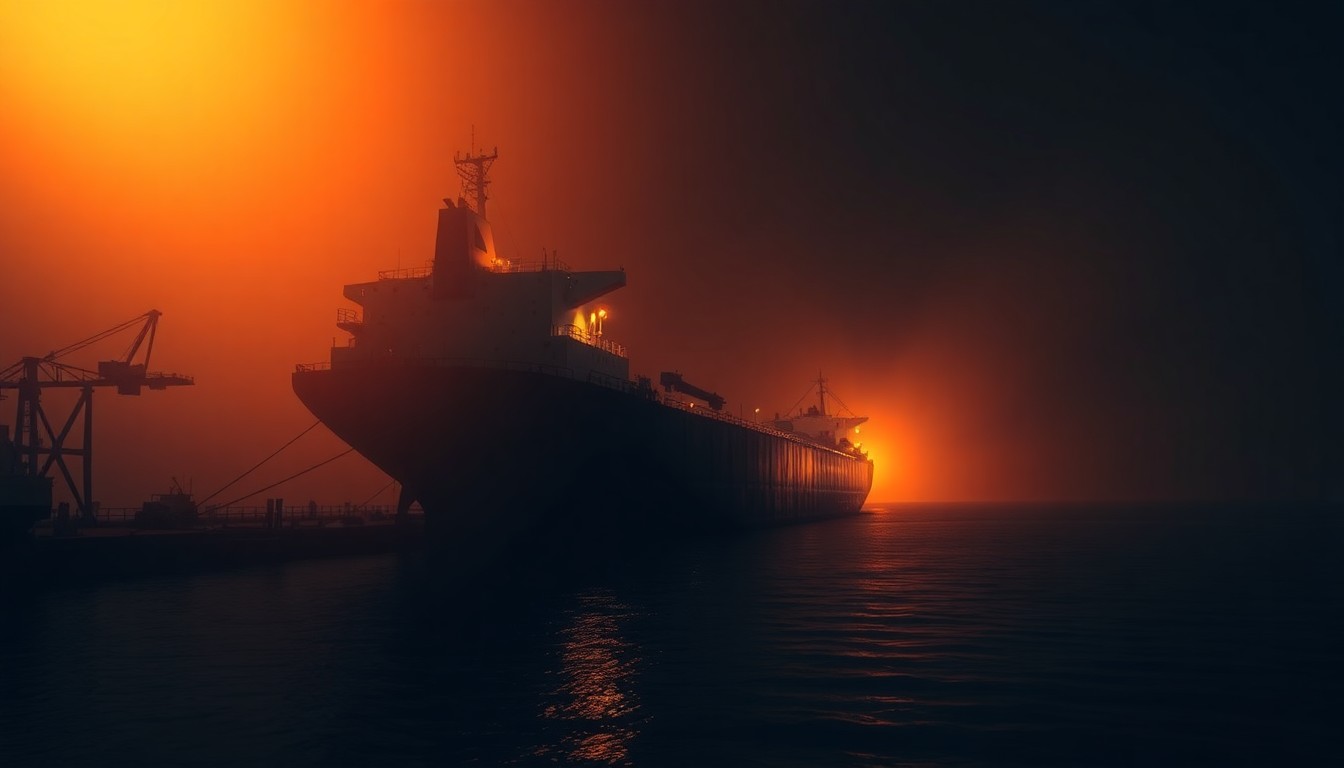 As the U.S. tightens the economic noose on Iran, the fate of global oil trade hangs in the balance.Washington Today
The United States has threatened to impose sanctions on countries that continue to buy Iranian oil, as the U.S. enforces a maritime blockade on Iran. Treasury Secretary Scott Bessent said the U.S. has told China and other banks that if they can prove Iranian money is flowing through their accounts, they will face secondary sanctions. The move comes as the U.S. seeks to ramp up pressure on Iran over its nuclear program and support for militant groups in the Middle East.
Why it matters
The U.S. has long sought to cut off Iran's oil exports as part of its 'maximum pressure' campaign against Tehran. This latest threat of sanctions on oil buyers is an escalation of those efforts, as the U.S. tries to further isolate Iran economically. It could have significant implications for global energy markets, particularly if China - a major buyer of Iranian oil - is forced to halt those purchases.
The details
The U.S. maritime blockade on Iran began on Monday as the Iran war entered its seventh week. Bessent said the U.S. has told countries that if they are buying Iranian oil or have Iranian money in their banks, the U.S. is now willing to apply secondary sanctions. He said the U.S. has written to two Chinese banks and warned them that if Iranian money is flowing through their accounts, they will face sanctions. The U.S. has also targeted Iran's oil transportation infrastructure, imposing sanctions on more than two dozen individuals, companies and vessels.
- The U.S. maritime blockade on Iran began on Monday.
- The Iran war has entered its seventh week.
- The U.S. issued a 30-day waiver of sanctions on Iranian oil at sea on March 20, which is set to expire on April 19.
The players
Scott Bessent
U.S. Treasury Secretary who warned of potential sanctions on buyers of Iranian oil.
China
A major buyer of Iranian oil that the U.S. has threatened with sanctions if it continues those purchases.
Iran
The target of U.S. sanctions and a maritime blockade over its nuclear program and support for militant groups.
What they’re saying
“We have told countries that if you are buying Iranian oil, that if Iranian money is sitting in your banks, we are now willing to apply secondary sanctions.”
— Scott Bessent, U.S. Treasury Secretary
“We believe (that with) this blockade ... there will be a pause of Chinese buying.”
— Scott Bessent, U.S. Treasury Secretary
What’s next
The U.S. waiver on Iranian oil sanctions is set to expire on April 19, after which the U.S. is expected to ramp up enforcement of the maritime blockade and sanctions on oil buyers.
The takeaway
The U.S. is escalating its economic pressure on Iran by threatening to sanction countries that continue to buy Iranian oil, a move that could have significant ripple effects on global energy markets if major buyers like China are forced to halt those purchases.
Washington top stories


Washington events
Apr. 18, 2026
DC Defenders vs. St. Louis Battlehawks
Apr. 18, 2026
Glow Block Party: Chris Lake
Apr. 18, 2026
Nimesh Patel: With All Due Disrespect Tour