- Today
- Holidays
- Birthdays
- Reminders
- Cities
- Atlanta
- Austin
- Baltimore
- Berwyn
- Beverly Hills
- Birmingham
- Boston
- Brooklyn
- Buffalo
- Charlotte
- Chicago
- Cincinnati
- Cleveland
- Columbus
- Dallas
- Denver
- Detroit
- Fort Worth
- Houston
- Indianapolis
- Knoxville
- Las Vegas
- Los Angeles
- Louisville
- Madison
- Memphis
- Miami
- Milwaukee
- Minneapolis
- Nashville
- New Orleans
- New York
- Omaha
- Orlando
- Philadelphia
- Phoenix
- Pittsburgh
- Portland
- Raleigh
- Richmond
- Rutherford
- Sacramento
- Salt Lake City
- San Antonio
- San Diego
- San Francisco
- San Jose
- Seattle
- Tampa
- Tucson
- Washington
Controversial Surveillance Program Faces Uncertain Future as Renewal Deadline Looms
The powerful but privacy-invading Section 702 law is set to expire, with both parties pushing for changes amid a classified court ruling.
Apr. 11, 2026 at 4:49pm
Got story updates? Submit your updates here. ›
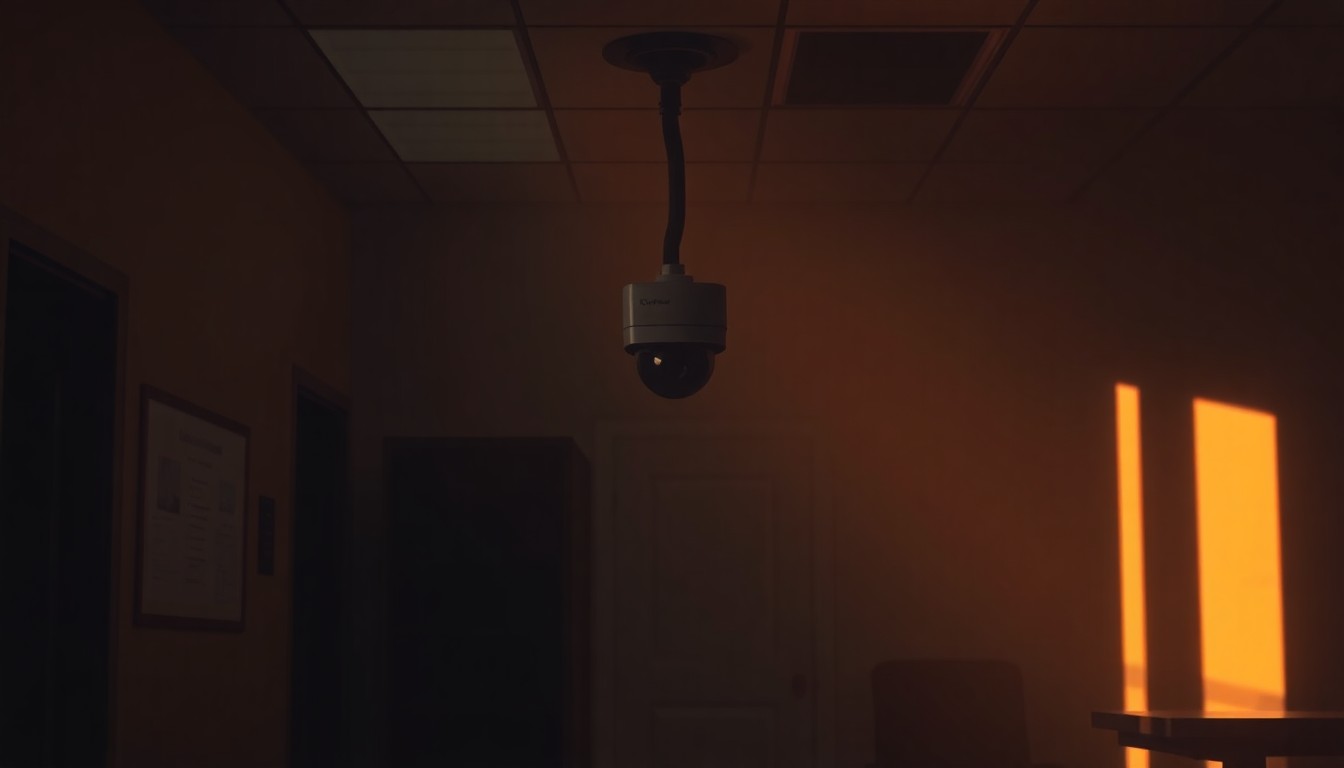 The debate over the renewal of the powerful surveillance program Section 702 exposes the ongoing tensions between national security and civil liberties.Washington Today
The powerful but controversial surveillance program known as Section 702 is set to expire soon, and its reauthorization faces political obstacles in the Republican-controlled Congress, despite the White House's backing. The law allows national security agencies to gather the texts and emails of foreigners located overseas from U.S. communications providers without a warrant, but has faced bipartisan opposition over concerns it violates constitutional privacy rights. A recent classified court ruling has raised new concerns about the government's use of the intelligence tool on Americans, further complicating the path forward for renewal.
Why it matters
Section 702 is a critical counterterrorism and national security tool, but its broad authority to collect data on Americans without a warrant has long raised civil liberties concerns. As the law nears expiration, a classified court ruling has revealed new issues around how the government uses the program, adding to the political challenges facing its reauthorization.
The details
First passed in 2008, Section 702 allows national security agencies to gather the texts and emails of foreigners located overseas from U.S. communications providers, without a warrant. However, the law has faced bipartisan opposition over concerns it violates constitutional privacy rights by allowing the collection of data on U.S. persons. A recent classified court ruling found issues with the government's proposed method to heighten privacy protections when analysts search the raw collected data, though the precise problem was not specified. This has raised new questions about how the program is being used, even as national security-minded lawmakers argue it is an indispensable tool.
- Section 702 is set to expire on April 20, 2026.
- In 2024, Congress imposed additional guardrails on the program, such as limiting FBI access and requiring greater reporting on U.S. person queries.
The players
Rep. Andy Biggs
A Republican congressman from Arizona and member of the conservative House Freedom Caucus who has spoken out against the reauthorization of Section 702 due to concerns over constitutional abuses and warrantless spying.
Rep. Michael Cloud
A Republican congressman from Texas and member of the House Freedom Caucus who has stated that "intelligence agencies must operate within the constitutional protections against warrantless searches against U.S. citizens."
Rep. Jim Himes
The top Democrat on the House Intelligence Committee, who has argued that allowing the 702 program to expire would result in "grave damage to U.S. national security."
House Speaker Mike Johnson
The Republican Speaker of the House who is struggling to secure the votes needed for a "clean" reauthorization of Section 702 due to opposition from both Democrats and members of his own party.
Donald Trump
The former U.S. president who has called for an 18-month extension of Section 702 with no changes, describing it as "extremely important" to the military and national security.
What they’re saying
“When used properly, [Section 702] is an effective tool to keep Americans safe. The fact is … it is extremely important to our military. I have spoken to many generals about this, and they consider it vital.”
— Donald Trump, Former U.S. President
“Intelligence agencies must operate within the constitutional protections against warrantless searches against U.S. citizens.”
— Rep. Michael Cloud, Republican Congressman, Texas
“It is not hyperbole to say that allowing the 702 program to expire would result in grave damage to U.S. national security.”
— Rep. Jim Himes, Top Democrat, House Intelligence Committee
What’s next
The House and Senate must reach an agreement on the reauthorization of Section 702 before the program expires on April 20, 2026. Lawmakers are divided on whether to renew the law as-is or implement additional privacy safeguards, with the recent classified court ruling adding further complications to the debate.
The takeaway
The future of the powerful but controversial Section 702 surveillance program remains uncertain as lawmakers grapple with balancing national security needs and civil liberties concerns. The program's impending expiration and a classified court ruling have heightened the political obstacles facing its reauthorization, setting the stage for a high-stakes showdown in Congress.
Washington top stories



Washington events

Apr. 17, 2026
Washington Nationals vs. San Francisco Giants
Apr. 17, 2026
GoldFord: Space of the Heart Tour
Apr. 17, 2026
Black Pistol Fire - Flagrant Act of Bliss