- Today
- Holidays
- Birthdays
- Reminders
- Cities
- Atlanta
- Austin
- Baltimore
- Berwyn
- Beverly Hills
- Birmingham
- Boston
- Brooklyn
- Buffalo
- Charlotte
- Chicago
- Cincinnati
- Cleveland
- Columbus
- Dallas
- Denver
- Detroit
- Fort Worth
- Houston
- Indianapolis
- Knoxville
- Las Vegas
- Los Angeles
- Louisville
- Madison
- Memphis
- Miami
- Milwaukee
- Minneapolis
- Nashville
- New Orleans
- New York
- Omaha
- Orlando
- Philadelphia
- Phoenix
- Pittsburgh
- Portland
- Raleigh
- Richmond
- Rutherford
- Sacramento
- Salt Lake City
- San Antonio
- San Diego
- San Francisco
- San Jose
- Seattle
- Tampa
- Tucson
- Washington
Denver Tweaks Stoplights at Night to Slow Drivers Down
City traffic engineers adjust signal timing on major roads to reduce severe crashes by forcing drivers to stop more often overnight.
Apr. 16, 2026 at 12:11am
Got story updates? Submit your updates here. ›
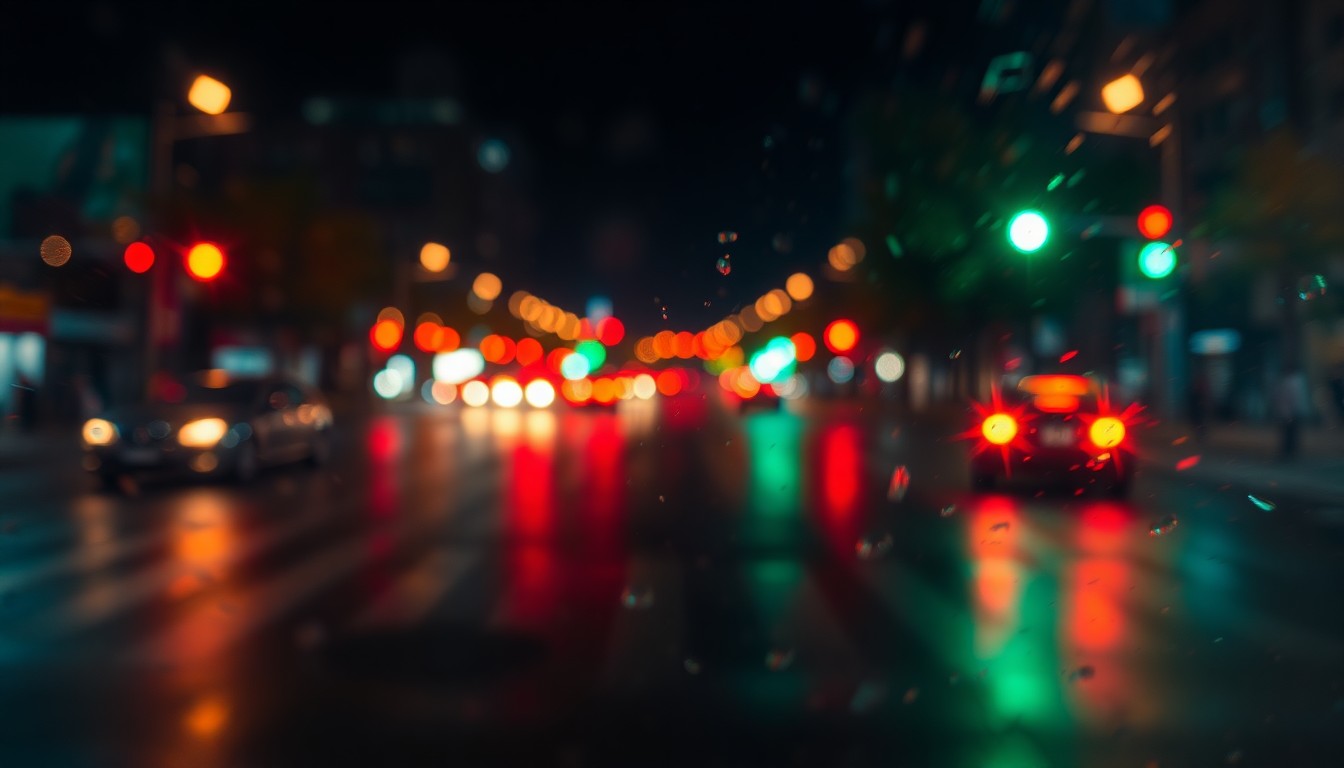 Adjusting traffic signal timing on Denver's major roads at night aims to slow drivers and reduce the severity of crashes in intersections.Denver Today
Denver's traffic engineers are adjusting signal timings on busy roads overnight to reduce severe crashes by slowing drivers down, resulting in fewer night crashes. Instead of lights staying green on some major roads until a car triggers a change from a side street, signals are now cycling consistently, even when traffic is light, forcing drivers to stop more often.
Why it matters
Around half of all crashes happen near intersections, and engineers believe slowing traffic, particularly at higher speeds, will reduce the severity of crashes when they do occur. The changes are part of the city's ongoing safety push to target speeding and the most serious injury crashes.
The details
On Federal Boulevard, where the change was made two years ago, late-night crashes dropped from 111 in 2023 to 96 in 2025 — a 14% decrease. On Alameda Avenue, crashes fell from 68 to 54 over the same time period, a 21% drop. The changes may mean slightly longer waits, especially for drivers turning onto major roads from side streets, but engineers say the wait times are still shorter than a full daytime cycle.
- The overnight signal changes are already in place on Federal and Alameda and are expanding to Colorado Boulevard.
- Additional sections of Havana Street and Hampden Avenue are expected to follow.
The players
Denver Department of Transportation and Infrastructure
The city agency leading the traffic safety push and implementing the signal timing changes.
David DiGiachomo
The manager of Denver's traffic management center who oversees the signal timing adjustments.
What they’re saying
“Previously at night, it was just random. There was no cycle. If nobody was here at all, it'd just be green for hours, potentially. This will make it so it cycles at least every 90 seconds.”
— David DiGiachomo, Traffic Management Center Manager
“Anything above 40 miles per hour, you've got like a 50/50 chance of it becoming a fatality.”
— David DiGiachomo, Traffic Management Center Manager
What’s next
The city said it also conducts regular signal-timing studies to reduce congestion and improve air quality along busy corridors.
The takeaway
This traffic safety initiative highlights how cities can leverage simple infrastructure changes, like adjusting signal timing, to target dangerous driving behaviors and reduce the severity of crashes, especially at intersections where a large portion of collisions occur.
Denver top stories


Denver events

Apr. 16, 2026
The Unlikely Candidates
Apr. 16, 2026
Rickshaw Billie's Burger Patrol (16 and Over)