- Today
- Holidays
- Birthdays
- Reminders
- Cities
- Atlanta
- Austin
- Baltimore
- Berwyn
- Beverly Hills
- Birmingham
- Boston
- Brooklyn
- Buffalo
- Charlotte
- Chicago
- Cincinnati
- Cleveland
- Columbus
- Dallas
- Denver
- Detroit
- Fort Worth
- Houston
- Indianapolis
- Knoxville
- Las Vegas
- Los Angeles
- Louisville
- Madison
- Memphis
- Miami
- Milwaukee
- Minneapolis
- Nashville
- New Orleans
- New York
- Omaha
- Orlando
- Philadelphia
- Phoenix
- Pittsburgh
- Portland
- Raleigh
- Richmond
- Rutherford
- Sacramento
- Salt Lake City
- San Antonio
- San Diego
- San Francisco
- San Jose
- Seattle
- Tampa
- Tucson
- Washington
Arapahoe Today
By the People, for the People
Thousands Missing Emergency Alerts in Colorado Counties
Residents unregistered for new county notification systems after system changes
Apr. 10, 2026 at 1:34am
Got story updates? Submit your updates here. ›
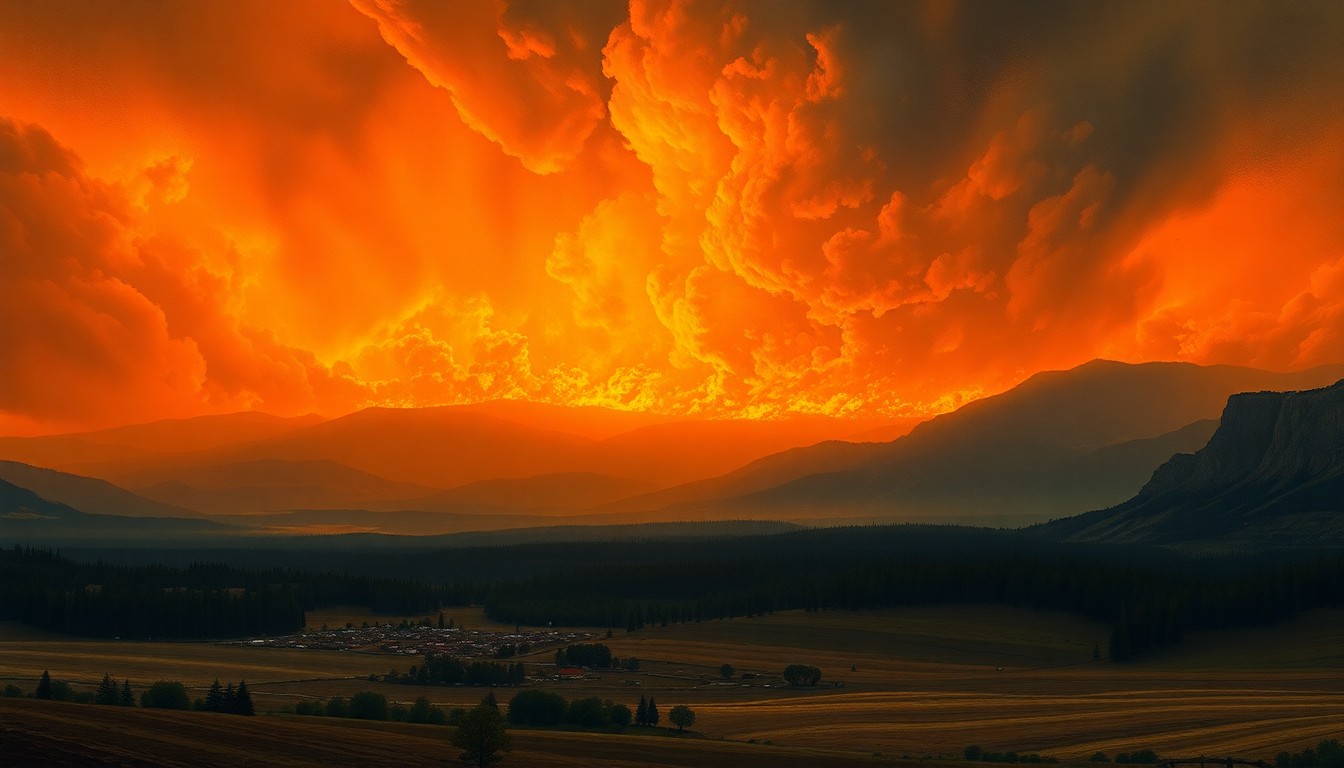 As Colorado braces for a severe fire season, thousands of residents remain unregistered for county emergency alert systems, raising concerns about officials' ability to quickly warn communities of approaching danger.Arapahoe Today
Thousands of residents across Arapahoe and Douglas counties in Colorado may miss out on critical emergency alerts after the counties switched to new emergency alert systems. Officials say previous registrations did not carry over, leaving at least 100,000 residents unregistered as fire season ramps up. The new systems offer more comprehensive features, but low sign-up rates have county leaders concerned about their ability to quickly notify residents of wildfires, severe weather, and other emergencies.
Why it matters
Timely emergency alerts can be a matter of life and safety, especially in rural areas prone to wildfires. With Colorado facing a severe drought and heightened fire risk, county officials are worried they won't be able to effectively warn residents of impending danger if large numbers remain unregistered for the new alert systems.
The details
Arapahoe and Douglas counties moved to new emergency alert platforms, ArapAlert and DougCoAlert, after a cyberattack last year. However, previous registrations in the old Code Red system did not carry over, leaving an estimated 120,000 Douglas County residents and many more in Arapahoe County unregistered. Officials have been trying to raise awareness, but say residents simply haven't noticed or signed up for the new systems.
- Arapahoe and Douglas counties switched to the new emergency alert systems several months ago.
- Fire season is ramping up in Colorado as the state faces a severe drought.
The players
Matthew Assell
Spokesperson for South Metro Fire Rescue.
Taylor Davis
Division chief of support services for the Douglas County Sheriff's Office.
Cathy Raley
Executive director of the Arapahoe County 911 Authority.
Don Krueger
An Arapahoe County resident who plans to re-register for the new alert system.
What they’re saying
“One thing that a lot of people don't realize is that when those counties made that transition, if you were previously signed up, that sign up is no longer. Essentially, you're no longer registered.”
— Matthew Assell, Spokesperson, South Metro Fire Rescue
“I'm just hoping that the more we talk about it, the more people will start to realize how important it is.”
— Taylor Davis, Division chief of support services, Douglas County Sheriff's Office
“Our concern is that we might have some sort of catastrophic event this summer, and we're not going to be able to get that word out to the community in time.”
— Matthew Assell, Spokesperson, South Metro Fire Rescue
What’s next
County officials are urging all residents to sign up for the new emergency alert systems, ArapAlert and DougCoAlert, to ensure they receive critical notifications during wildfires, severe weather, and other emergencies.
The takeaway
This situation highlights the importance of staying informed about changes to emergency notification systems and the need for residents to proactively register for new alert platforms. With Colorado facing heightened fire risk, county leaders are concerned they may not be able to effectively warn large numbers of unregistered residents in the event of a disaster.