- Today
- Holidays
- Birthdays
- Reminders
- Cities
- Atlanta
- Austin
- Baltimore
- Berwyn
- Beverly Hills
- Birmingham
- Boston
- Brooklyn
- Buffalo
- Charlotte
- Chicago
- Cincinnati
- Cleveland
- Columbus
- Dallas
- Denver
- Detroit
- Fort Worth
- Houston
- Indianapolis
- Knoxville
- Las Vegas
- Los Angeles
- Louisville
- Madison
- Memphis
- Miami
- Milwaukee
- Minneapolis
- Nashville
- New Orleans
- New York
- Omaha
- Orlando
- Philadelphia
- Phoenix
- Pittsburgh
- Portland
- Raleigh
- Richmond
- Rutherford
- Sacramento
- Salt Lake City
- San Antonio
- San Diego
- San Francisco
- San Jose
- Seattle
- Tampa
- Tucson
- Washington
Stanford Wins Custody Battle for Mao-Era Diaries
Court ruling keeps trove of Li Rui's personal records in hands of Hoover Institution, preserving a window into China's past.
Apr. 13, 2026 at 12:19am
Got story updates? Submit your updates here. ›
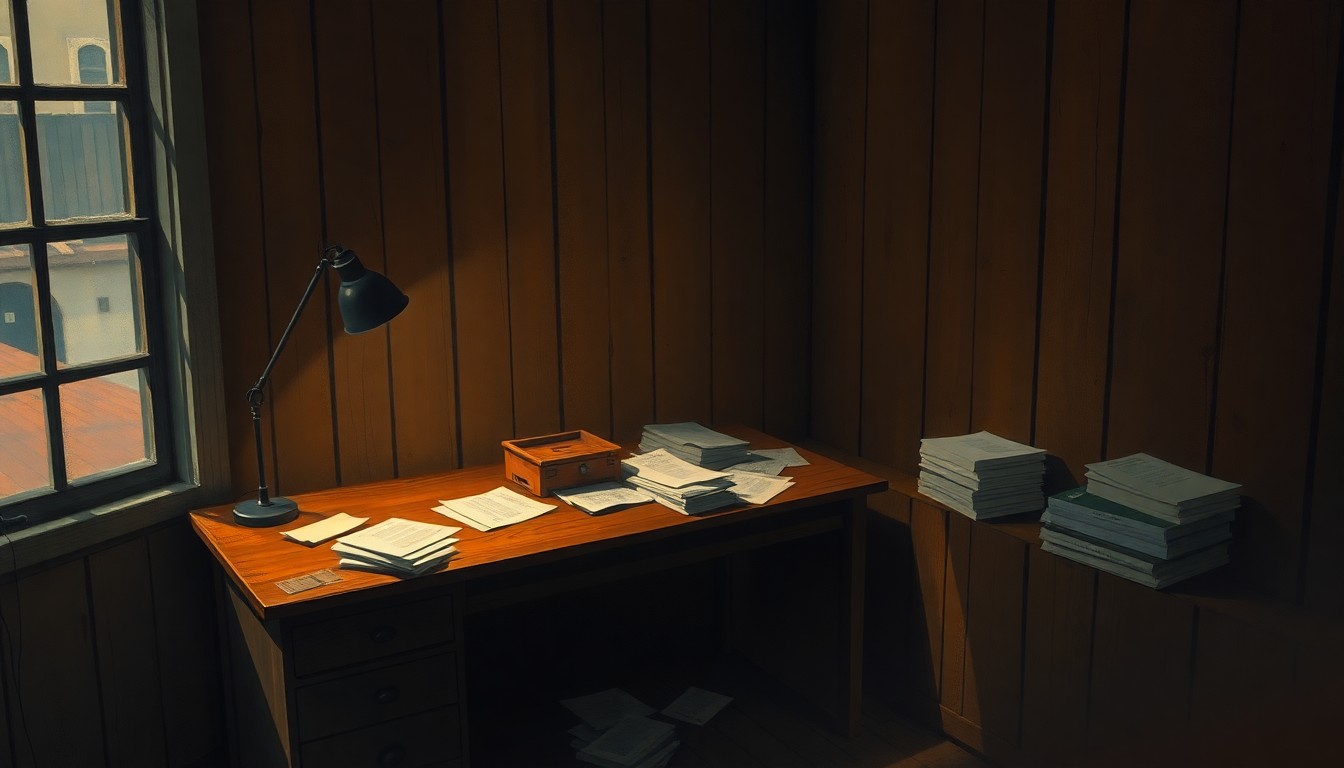 The preservation of Li Rui's personal diaries, a rare window into China's turbulent 20th century, represents a victory for historical truth over political suppression.Stanford Today
A California court has ruled that the personal diaries and papers of Li Rui, a former secretary to Mao Zedong, will remain at Stanford University's Hoover Institution, rejecting claims by Li's family members that the materials should be controlled by the Chinese government. The decision is seen as a victory for preserving historical records that offer an unvarnished view of China's political history during the Mao era.
Why it matters
Li Rui's diaries and writings provide a rare, firsthand account of major events and decisions during Mao's rule, offering a counterpoint to the official narratives promoted by the Chinese government. The court's ruling affirms the importance of protecting such historical materials from political censorship, ensuring they remain accessible to scholars and the public.
The details
The legal dispute began with a lawsuit in the U.S. after Li Rui's death, with competing claims from his family members about the ownership and control of his personal papers. Li's daughter, Li Nanyang, and his second wife, Zhang Yuzhen, argued that the materials should be returned to China. However, the court sided with Stanford and the Hoover Institution, which had received the documents as a donation from Li Rui himself, ruling that this aligned with his stated wishes to preserve the records for historical study.
- Li Rui's diaries span the period from 1938 to 2019, covering major events like the Tiananmen Square protests.
- The court ruling was issued in April 2026.
The players
Li Rui
A former secretary to Mao Zedong who later became a critic of the Chinese leadership, Li Rui donated his personal diaries and papers to Stanford University's Hoover Institution before his death.
Li Nanyang
Li Rui's daughter, who argued that the diaries should be returned to China.
Zhang Yuzhen
Li Rui's second wife, who also claimed the diaries should be controlled by the Chinese government.
Stanford University
The university that received Li Rui's diaries as a donation and successfully defended its ownership in court.
Hoover Institution
The research center at Stanford University that now houses and preserves Li Rui's personal papers and diaries.
What’s next
The Hoover Institution plans to digitize and make Li Rui's diaries and papers available to researchers and the public, providing greater access to this important historical record.
The takeaway
The court's decision to uphold Stanford's ownership of Li Rui's diaries is a victory for preserving historical truth and challenging official narratives, even when they conflict with the interests of those in power.
Stanford top stories


Stanford events

Apr. 16, 2026
David Byrne

Apr. 17, 2026
Stanford Cardinal Baseball vs. Miami Hurricanes Baseball