- Today
- Holidays
- Birthdays
- Reminders
- Cities
- Atlanta
- Austin
- Baltimore
- Berwyn
- Beverly Hills
- Birmingham
- Boston
- Brooklyn
- Buffalo
- Charlotte
- Chicago
- Cincinnati
- Cleveland
- Columbus
- Dallas
- Denver
- Detroit
- Fort Worth
- Houston
- Indianapolis
- Knoxville
- Las Vegas
- Los Angeles
- Louisville
- Madison
- Memphis
- Miami
- Milwaukee
- Minneapolis
- Nashville
- New Orleans
- New York
- Omaha
- Orlando
- Philadelphia
- Phoenix
- Pittsburgh
- Portland
- Raleigh
- Richmond
- Rutherford
- Sacramento
- Salt Lake City
- San Antonio
- San Diego
- San Francisco
- San Jose
- Seattle
- Tampa
- Tucson
- Washington
Ultrasound-Generated Light Enables Noninvasive Targeted Treatments
Stanford researchers develop breakthrough technique to trigger photochemical reactions deep within the body without incisions.
Apr. 13, 2026 at 10:07pm
Got story updates? Submit your updates here. ›
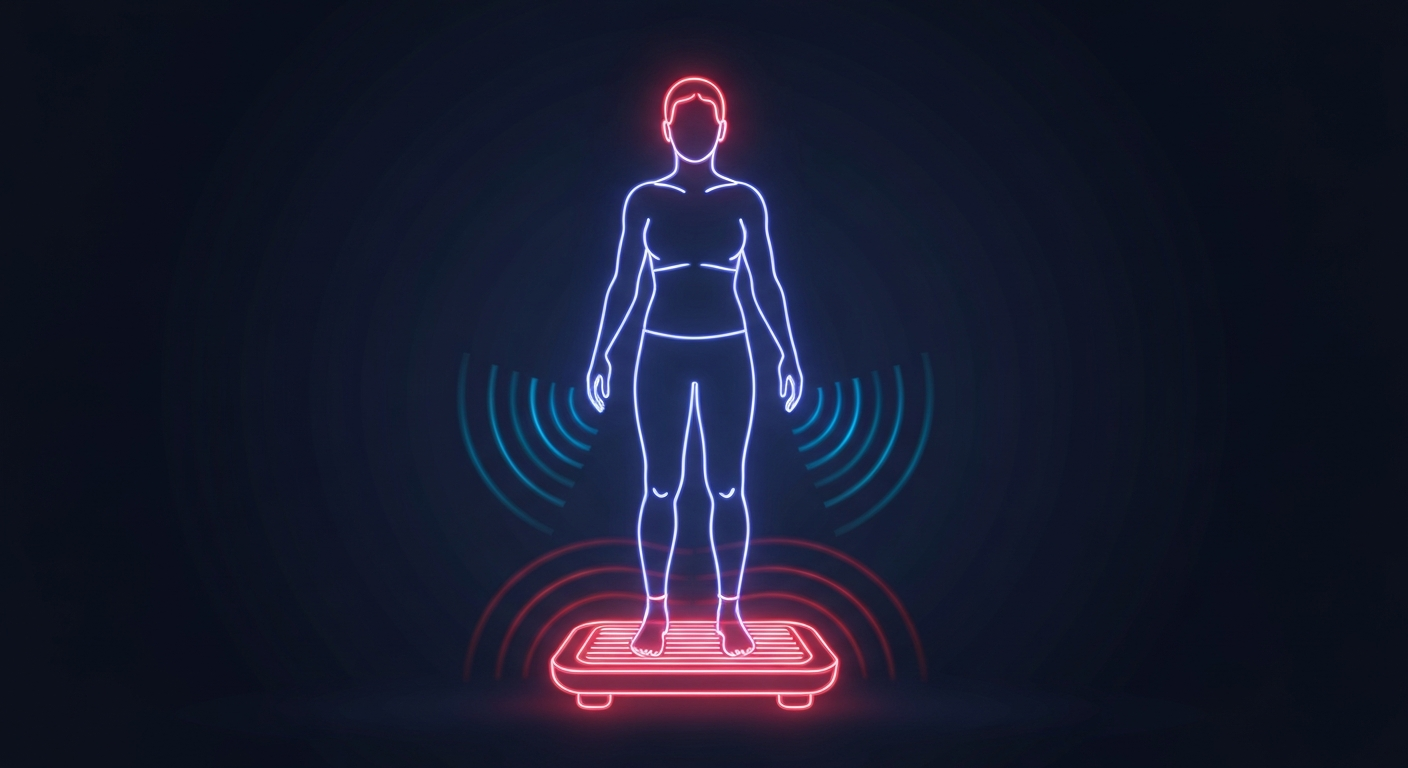
 A breakthrough in ultrasound-generated light could revolutionize noninvasive targeted treatments, enabling more precise and less risky therapies for deep-seated medical conditions.Stanford Today
Researchers at Stanford University have developed a noninvasive technique that utilizes focused ultrasound to generate light emissions within the body, overcoming the longstanding challenge of light penetration in human tissue. This mechanism allows for the activation of photosensitive drugs (photodynamic therapy) in deep-tissue environments without the need for invasive surgical implants, significantly reducing the risk of infection and complications associated with current light-based treatments.
Why it matters
The ability to trigger photochemical reactions deep within the body without an incision represents a paradigm shift in localized drug delivery, moving from a 'surgical access' model to a 'remote activation' model. This breakthrough could enable more precise and less invasive treatments for a range of conditions, including deep-seated tumors and neurological disorders.
The details
The innovation leverages the physics of sonoluminescence, where focused ultrasound waves create microscopic bubbles (cavitation) within the tissue. When these bubbles collapse, they release a burst of light. By precisely controlling the ultrasound focal point, researchers can 'turn on' a light bulb inside a deep-seated organ or tumor, bypassing the traditional constraints of the optical window in biological tissue.
- The foundational findings were detailed in peer-reviewed publications in 2026.
The players
Stanford University
A leading research institution where the breakthrough ultrasound-generated light technology was developed by a multidisciplinary team.
Dr. Elena Rossi
A specialist in biomedical optics who notes that the ability to trigger photochemical reactions deep within the body without an incision represents a paradigm shift in localized drug delivery.
What they’re saying
“The ability to trigger photochemical reactions deep within the body without an incision represents a paradigm shift in how we approach localized drug delivery. We are moving from a 'surgical access' model to a 'remote activation' model.”
— Dr. Elena Rossi, Specialist in Biomedical Optics
What’s next
Before this technology can become a standard of care, it must navigate the rigorous pipeline of human trials, moving from safety profiles to efficacy endpoints. Researchers are currently focused on optimizing the 'light yield' to trigger sufficient drug activation and comparing the noninvasive delivery method to traditional invasive photodynamic therapy.
The takeaway
This breakthrough in ultrasound-generated light could revolutionize noninvasive targeted treatments, enabling more precise and less risky therapies for a range of deep-seated medical conditions.
Stanford top stories

Stanford events

Apr. 16, 2026
David Byrne

Apr. 17, 2026
Stanford Cardinal Baseball vs. Miami Hurricanes Baseball