- Today
- Holidays
- Birthdays
- Reminders
- Cities
- Atlanta
- Austin
- Baltimore
- Berwyn
- Beverly Hills
- Birmingham
- Boston
- Brooklyn
- Buffalo
- Charlotte
- Chicago
- Cincinnati
- Cleveland
- Columbus
- Dallas
- Denver
- Detroit
- Fort Worth
- Houston
- Indianapolis
- Knoxville
- Las Vegas
- Los Angeles
- Louisville
- Madison
- Memphis
- Miami
- Milwaukee
- Minneapolis
- Nashville
- New Orleans
- New York
- Omaha
- Orlando
- Philadelphia
- Phoenix
- Pittsburgh
- Portland
- Raleigh
- Richmond
- Rutherford
- Sacramento
- Salt Lake City
- San Antonio
- San Diego
- San Francisco
- San Jose
- Seattle
- Tampa
- Tucson
- Washington
Rebecca King-Crews Finds Relief from Parkinson's Symptoms with Focused Ultrasound
The singer and fashion designer undergoes non-invasive procedure to manage tremors
Apr. 12, 2026 at 12:41pm
Got story updates? Submit your updates here. ›
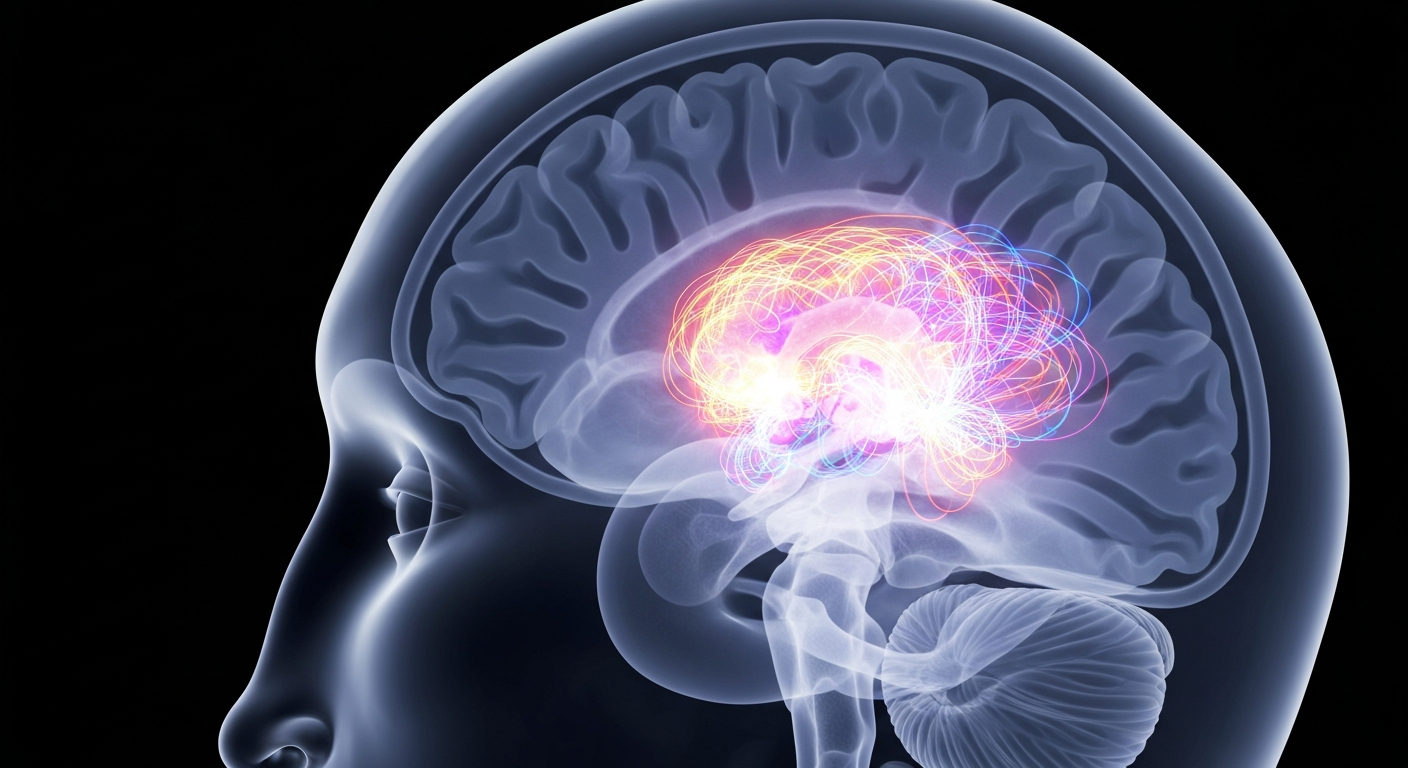 A non-invasive focused ultrasound procedure targets the specific brain region responsible for Parkinson's tremors, offering hope for improved quality of life.Stanford Today
Rebecca King-Crews, wife of actor Terry Crews, has publicly revealed her decade-long journey with Parkinson's disease. After experiencing symptoms for years, she was officially diagnosed in 2015. To address her debilitating tremors, King-Crews underwent an MR-guided focused ultrasound procedure at Stanford University, a non-invasive treatment that uses high-intensity sound waves to target and destroy the brain tissue responsible for tremors. The initial procedure on the right side of her body has provided significant relief, and King-Crews is scheduled for a second procedure to address the left side.
Why it matters
King-Crews' story sheds light on the challenges of living with Parkinson's disease and the promising new treatments, like focused ultrasound, that can help manage symptoms without invasive surgery. Her willingness to share her experience publicly aims to raise awareness and provide hope for others facing similar health battles.
The details
King-Crews first noticed symptoms around 2012, including numbness and a limp in her left foot, as well as a lack of arm swing during exercise. Despite these early signs, it took several years for her to receive a Parkinson's diagnosis in 2015. The most debilitating symptom has been tremors, which made everyday tasks like brushing her teeth or applying makeup difficult. To address the tremors, King-Crews underwent the focused ultrasound procedure at Stanford, which uses high-intensity sound waves to target and destroy the specific brain tissue responsible for the tremors. The initial procedure on the right side of her body has provided significant relief, and she is scheduled for a second procedure in September 2026 to address the left side.
- King-Crews first noticed symptoms around 2012.
- She was officially diagnosed with Parkinson's disease in 2015.
- King-Crews underwent the initial focused ultrasound procedure at Stanford University in 2026.
- She is scheduled for a second focused ultrasound procedure in September 2026.
The players
Rebecca King-Crews
A singer, fashion designer, and the wife of actor Terry Crews, who has been publicly sharing her journey with Parkinson's disease.
Terry Crews
An actor and the husband of Rebecca King-Crews.
Insightec
The company that manufactures the Exablate Neuro system, the MR-guided focused ultrasound technology used in King-Crews' procedure.
Stanford University
The medical institution where King-Crews underwent the focused ultrasound procedure to manage her Parkinson's symptoms.
What they’re saying
“I don't believe in telling my story just so you can feel sorry for me. I really believe that this procedure and others like it are the new frontier of medicine.”
— Rebecca King-Crews
What’s next
King-Crews is currently in a three-month recovery period following her initial focused ultrasound procedure, and she is scheduled to undergo a second procedure in September 2026 to address the left side of her body.
The takeaway
Rebecca King-Crews' story highlights the challenges of living with Parkinson's disease and the hope that new, non-invasive treatments like focused ultrasound can provide for managing debilitating symptoms. Her willingness to share her experience publicly aims to raise awareness and inspire others facing similar health battles.
Stanford top stories



Stanford events

Apr. 16, 2026
David Byrne

Apr. 17, 2026
Stanford Cardinal Baseball vs. Miami Hurricanes Baseball