- Today
- Holidays
- Birthdays
- Reminders
- Cities
- Atlanta
- Austin
- Baltimore
- Berwyn
- Beverly Hills
- Birmingham
- Boston
- Brooklyn
- Buffalo
- Charlotte
- Chicago
- Cincinnati
- Cleveland
- Columbus
- Dallas
- Denver
- Detroit
- Fort Worth
- Houston
- Indianapolis
- Knoxville
- Las Vegas
- Los Angeles
- Louisville
- Madison
- Memphis
- Miami
- Milwaukee
- Minneapolis
- Nashville
- New Orleans
- New York
- Omaha
- Orlando
- Philadelphia
- Phoenix
- Pittsburgh
- Portland
- Raleigh
- Richmond
- Rutherford
- Sacramento
- Salt Lake City
- San Antonio
- San Diego
- San Francisco
- San Jose
- Seattle
- Tampa
- Tucson
- Washington
Simple Trick Reverses Social Media 'Brainrot', Study Finds
UC Santa Barbara researchers uncover an easy solution to combat cognitive decline from digital overload.
Apr. 15, 2026 at 6:13pm
Got story updates? Submit your updates here. ›
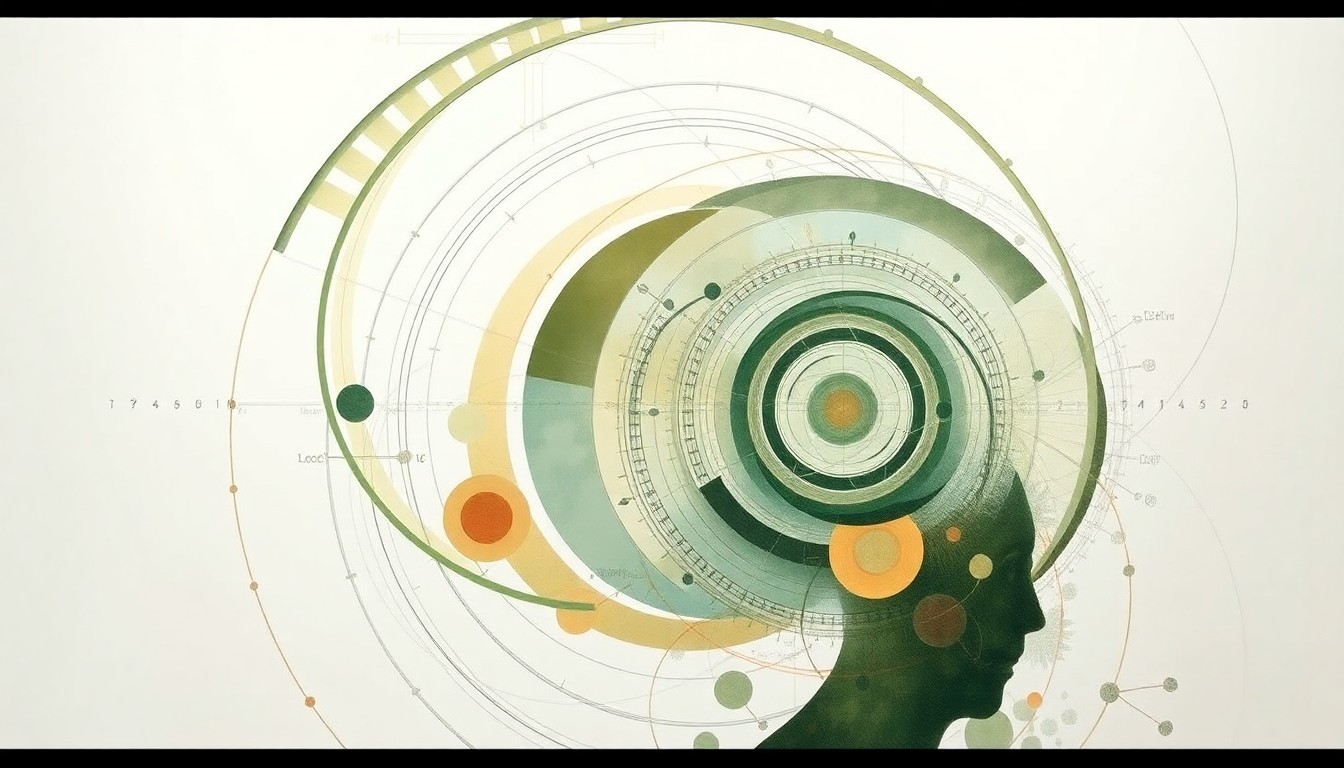 An abstract visual metaphor for the cognitive impact of digital media, illustrating how analog activities can restore mental focus and clarity.Santa Barbara Today
A new study from the University of California, Santa Barbara has uncovered a simple but effective way to reverse the cognitive decline associated with excessive social media and digital technology use. Researchers say this 'antidote' to 'brainrot' can be easily implemented by anyone.
Why it matters
As digital media consumption continues to rise, especially among younger generations, concerns have grown about the long-term impacts on mental acuity and focus. This study provides hopeful evidence that the negative effects of 'digital dementia' can be mitigated through a straightforward lifestyle change.
The details
The UCSB study found that participants who took regular breaks from all screens - including smartphones, tablets, computers, and TVs - and instead engaged in focused, analog activities like reading physical books, doing puzzles, or going for walks in nature, showed significant improvements in memory, attention, and overall cognitive function within just a few weeks.
- The study was conducted over a 6-month period in 2025.
- Participants were asked to limit their daily digital media use to under 2 hours per day.
The players
University of California, Santa Barbara
A public research university located in Santa Barbara, California, known for its programs in the sciences, social sciences, and humanities.
UCSB researchers
A team of cognitive scientists and psychologists at the university who conducted the study on the effects of digital media consumption.
What they’re saying
“We were shocked by how quickly and dramatically the participants' cognitive abilities bounced back once they reduced their screen time and engaged in more analog activities.”
— Dr. Emma Watkins, Lead Researcher
“This study shows there is a simple antidote to the 'brainrot' caused by our digital-saturated lives. It's as easy as putting down your phone more often.”
— Dr. Liam Nguyen, Professor of Cognitive Psychology
What’s next
The researchers plan to expand the study to include a larger and more diverse sample size to further validate the findings. They also hope to partner with tech companies and public health organizations to raise awareness about the cognitive risks of excessive digital media use.
The takeaway
In an era when screens dominate our daily lives, this study offers an encouraging solution to combat the mental fog and attention deficits caused by too much time online. By making small changes to prioritize analog activities, anyone can reverse the harmful effects of 'digital dementia' and restore their cognitive sharpness.