- Today
- Holidays
- Birthdays
- Reminders
- Cities
- Atlanta
- Austin
- Baltimore
- Berwyn
- Beverly Hills
- Birmingham
- Boston
- Brooklyn
- Buffalo
- Charlotte
- Chicago
- Cincinnati
- Cleveland
- Columbus
- Dallas
- Denver
- Detroit
- Fort Worth
- Houston
- Indianapolis
- Knoxville
- Las Vegas
- Los Angeles
- Louisville
- Madison
- Memphis
- Miami
- Milwaukee
- Minneapolis
- Nashville
- New Orleans
- New York
- Omaha
- Orlando
- Philadelphia
- Phoenix
- Pittsburgh
- Portland
- Raleigh
- Richmond
- Rutherford
- Sacramento
- Salt Lake City
- San Antonio
- San Diego
- San Francisco
- San Jose
- Seattle
- Tampa
- Tucson
- Washington
Ultra-Processed Foods Linked to Fatty Muscles, Knee Arthritis
MRI scans show ultra-processed foods contribute to fat buildup in thigh muscles, raising osteoarthritis risk.
Apr. 17, 2026 at 7:00pm by Ben Kaplan
Got story updates? Submit your updates here. ›
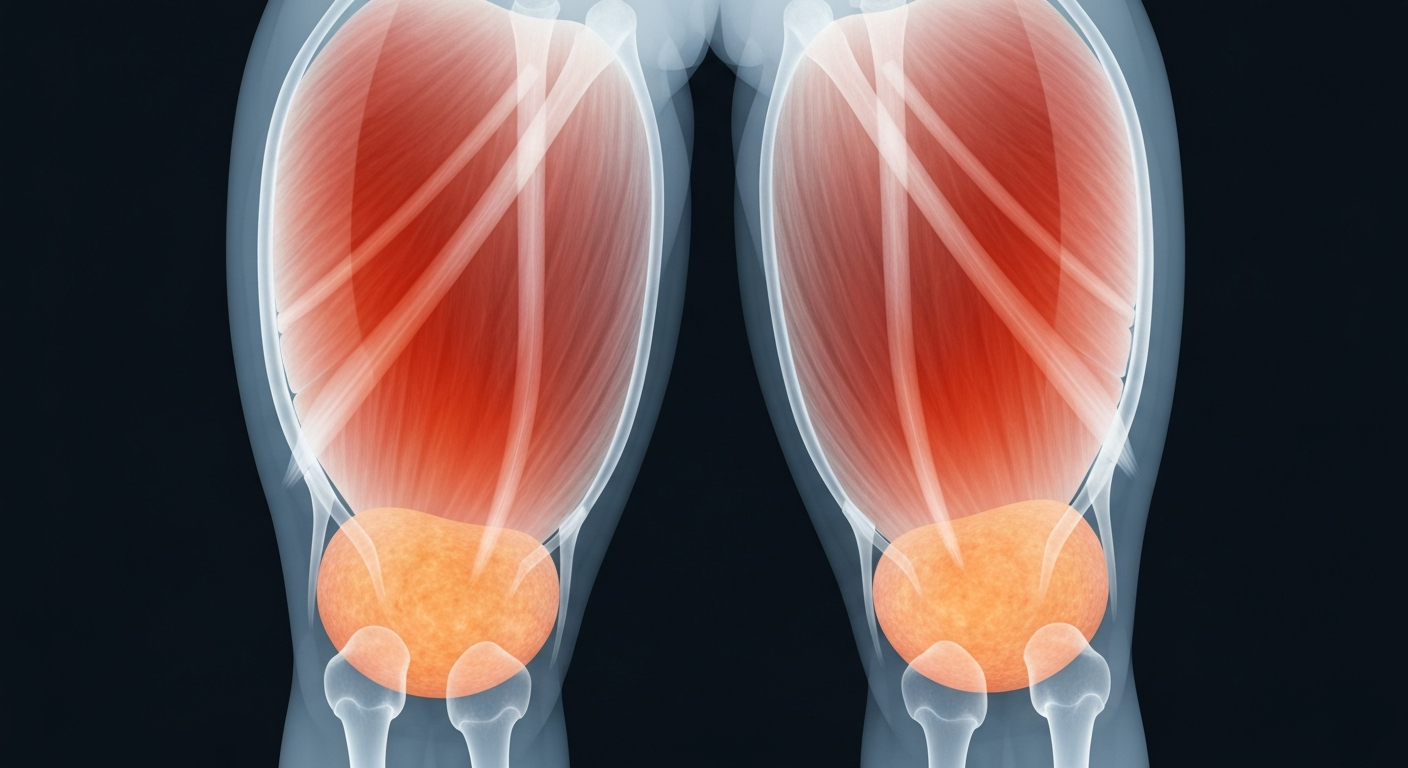 MRI scans reveal how a diet heavy in ultra-processed foods can lead to the buildup of fat within thigh muscles, contributing to the development of debilitating knee osteoarthritis.San Francisco Today
A new study has found that a diet high in ultra-processed foods is associated with larger amounts of fat stored inside thigh muscles, regardless of a person's calorie or fat intake. MRI scans revealed streaks of fat replacing muscle fibers, contributing to degeneration of the thigh muscle. Researchers say people with fatty thigh muscles could be at higher risk for developing knee arthritis.
Why it matters
This research underscores the vital role of nutrition in muscle quality and its connection to the growing prevalence of knee osteoarthritis. As ultra-processed foods have become more prevalent in people's diets, obesity and knee osteoarthritis rates have also risen. Understanding the link between diet quality and muscle health is crucial for developing effective prevention and treatment strategies.
The details
The study analyzed data from 615 participants in a long-term arthritis research project. None had yet developed osteoarthritis. The average participant was 60 years old, overweight with a BMI of 27, and got 41% of their prior year's food intake from ultra-processed sources. MRI scans revealed that the higher a person's intake of ultra-processed food, the more fat they had stored between muscle fibers in their thighs, causing degeneration of the thigh muscle.
- The study's findings were published on April 14, 2026 in the journal Radiology.
- The research was part of a federally funded long-term arthritis study that has been ongoing for several years.
The players
Zehra Akkaya
A radiologist at the University of California-San Francisco and the lead researcher on the study.
University of California-San Francisco
The institution where the lead researcher is based and where the study was conducted.
What they’re saying
“This research underscores the vital role of nutrition in muscle quality in the context of knee osteoarthritis.”
— Zehra Akkaya, Lead Researcher
“Osteoarthritis is an increasingly prevalent and costly global health issue. It constitutes one of the largest non-cancer-related health care costs in the United States and around the world. It is highly linked to obesity and unhealthy lifestyle choice.”
— Zehra Akkaya, Lead Researcher
“Addressing obesity is a primary objective and frontline treatment for knee osteoarthritis, yet the findings from this research emphasize that dietary quality warrants greater attention, and weight loss regimens should take into account diet quality beyond caloric restriction and exercise.”
— Zehra Akkaya, Lead Researcher
What’s next
Researchers say the MRI scanning approach used in the study could be easily adopted by doctors and health systems to assess muscle quality as part of routine clinical practice and future studies.
The takeaway
This study highlights the significant impact that ultra-processed foods can have on muscle health and the development of debilitating conditions like knee osteoarthritis. As the prevalence of these highly processed foods continues to rise, addressing dietary quality will be crucial for stemming the tide of obesity and related musculoskeletal disorders.
San Francisco top stories



San Francisco events

Apr. 17, 2026
LIVE 105 Presents: The Format 4/17
Apr. 17, 2026
SFBATCO: The Lin-Manuel Effect
Apr. 17, 2026
Kaskade