- Today
- Holidays
- Birthdays
- Reminders
- Cities
- Atlanta
- Austin
- Baltimore
- Berwyn
- Beverly Hills
- Birmingham
- Boston
- Brooklyn
- Buffalo
- Charlotte
- Chicago
- Cincinnati
- Cleveland
- Columbus
- Dallas
- Denver
- Detroit
- Fort Worth
- Houston
- Indianapolis
- Knoxville
- Las Vegas
- Los Angeles
- Louisville
- Madison
- Memphis
- Miami
- Milwaukee
- Minneapolis
- Nashville
- New Orleans
- New York
- Omaha
- Orlando
- Philadelphia
- Phoenix
- Pittsburgh
- Portland
- Raleigh
- Richmond
- Rutherford
- Sacramento
- Salt Lake City
- San Antonio
- San Diego
- San Francisco
- San Jose
- Seattle
- Tampa
- Tucson
- Washington
Report Highlights Mental Health Challenges at Intelligence Agency
CSIS grapples with burnout, PTSD, and isolation among officers as industry shifts focus to psychological resilience
Apr. 18, 2026 at 5:53pm
Got story updates? Submit your updates here. ›
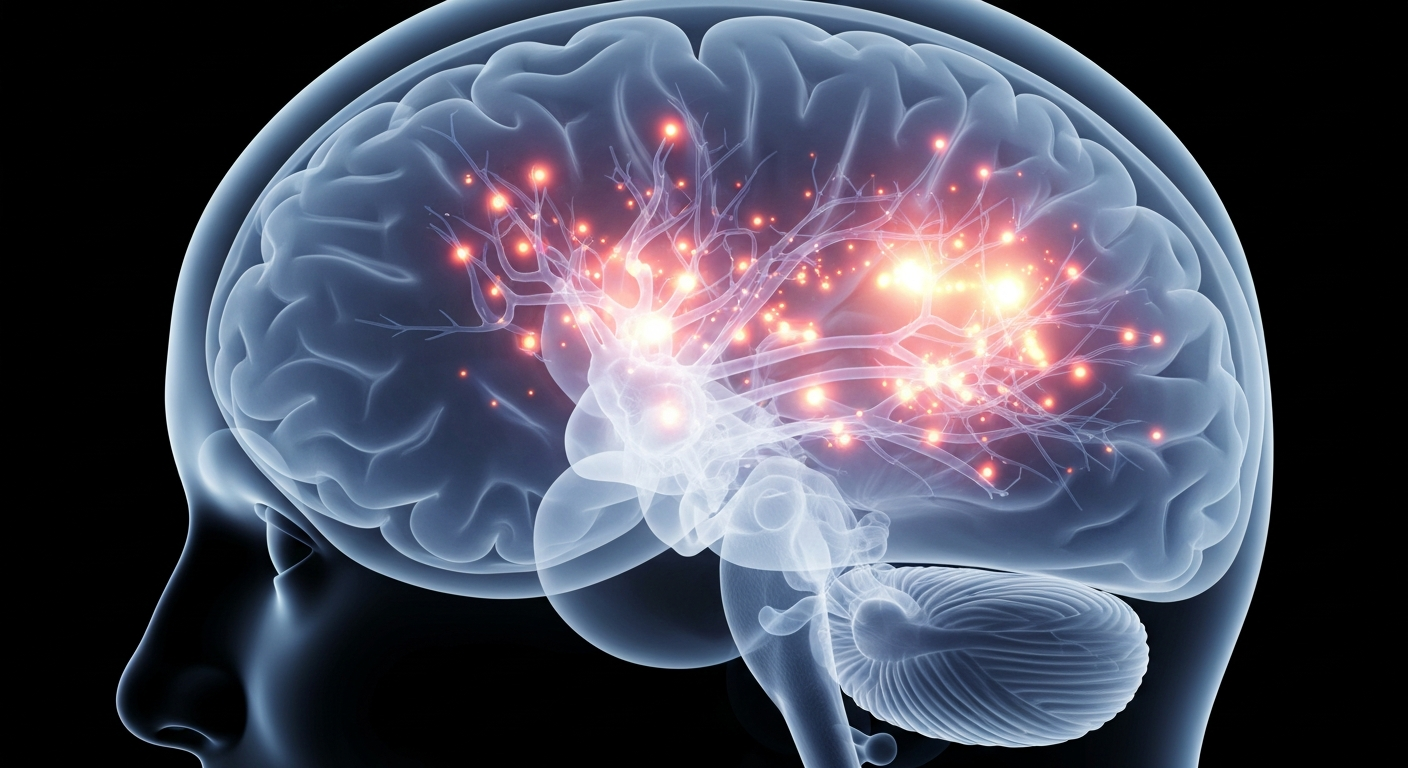 An X-ray view into the stressed neural networks of intelligence analysts, whose constant exposure to traumatic content takes a heavy psychological toll.San Diego Today
A new report on the Canadian Security Intelligence Service (CSIS) reveals growing concerns over the mental health toll of intelligence work, with issues like fear of reprisals, social isolation, and chronic anxiety becoming systemic risks. The industry is moving away from the 'stoic professional' ideal and toward viewing mental health as critical to operational readiness.
Why it matters
The traditional view that mental illness equals vulnerability is being challenged, as experts argue that unsupported, burnt-out employees pose a greater security risk than those proactively managing their mental health. This shift signals a fundamental change in how intelligence agencies approach employee wellbeing.
The details
The report highlights how the nature of modern intelligence work, with analysts constantly exposed to 'abhorrent material' like war crimes and child exploitation, is creating a specific type of cognitive scarring known as vicarious trauma. Agencies are now exploring solutions like rotational duty, technical mitigation using AI, and peer-support circles to combat this digital toll.
- The report on mental health concerns at CSIS was published on April 18, 2026.
The players
CSIS
The Canadian Security Intelligence Service, the country's national intelligence agency.
What’s next
The report suggests that in the coming years, 'Psychological Resilience Training' will be integrated into the initial onboarding of agents, rather than as a reactive measure after a crisis occurs. Agencies are also expected to move toward 'Preventative Psychological Maintenance,' where regular check-ins with vetted psychologists become mandatory.
The takeaway
This report highlights the growing recognition that mental health is a critical component of operational readiness in the intelligence community. By addressing the psychological toll of protecting national security, agencies can dismantle the stigma that has long prevented employees from seeking support, ultimately enhancing the overall security of their operations.
San Diego top stories



San Diego events

Apr. 18, 2026
The Notebook (Touring)
Apr. 18, 2026
Chris D'Elia: Go For It!
Apr. 18, 2026
The Notebook (Touring)