- Today
- Holidays
- Birthdays
- Reminders
- Cities
- Atlanta
- Austin
- Baltimore
- Berwyn
- Beverly Hills
- Birmingham
- Boston
- Brooklyn
- Buffalo
- Charlotte
- Chicago
- Cincinnati
- Cleveland
- Columbus
- Dallas
- Denver
- Detroit
- Fort Worth
- Houston
- Indianapolis
- Knoxville
- Las Vegas
- Los Angeles
- Louisville
- Madison
- Memphis
- Miami
- Milwaukee
- Minneapolis
- Nashville
- New Orleans
- New York
- Omaha
- Orlando
- Philadelphia
- Phoenix
- Pittsburgh
- Portland
- Raleigh
- Richmond
- Rutherford
- Sacramento
- Salt Lake City
- San Antonio
- San Diego
- San Francisco
- San Jose
- Seattle
- Tampa
- Tucson
- Washington
MiNK Therapeutics Reports Promising Phase II Data on Immune Reprogramming and Survival in PD-1 Refractory Gastroesophageal Cancer
Combination therapy with agenT-797, botensilimab, and balstilimab shows high disease control rate and long-term survival in subset of patients
Apr. 17, 2026 at 7:21pm
Got story updates? Submit your updates here. ›
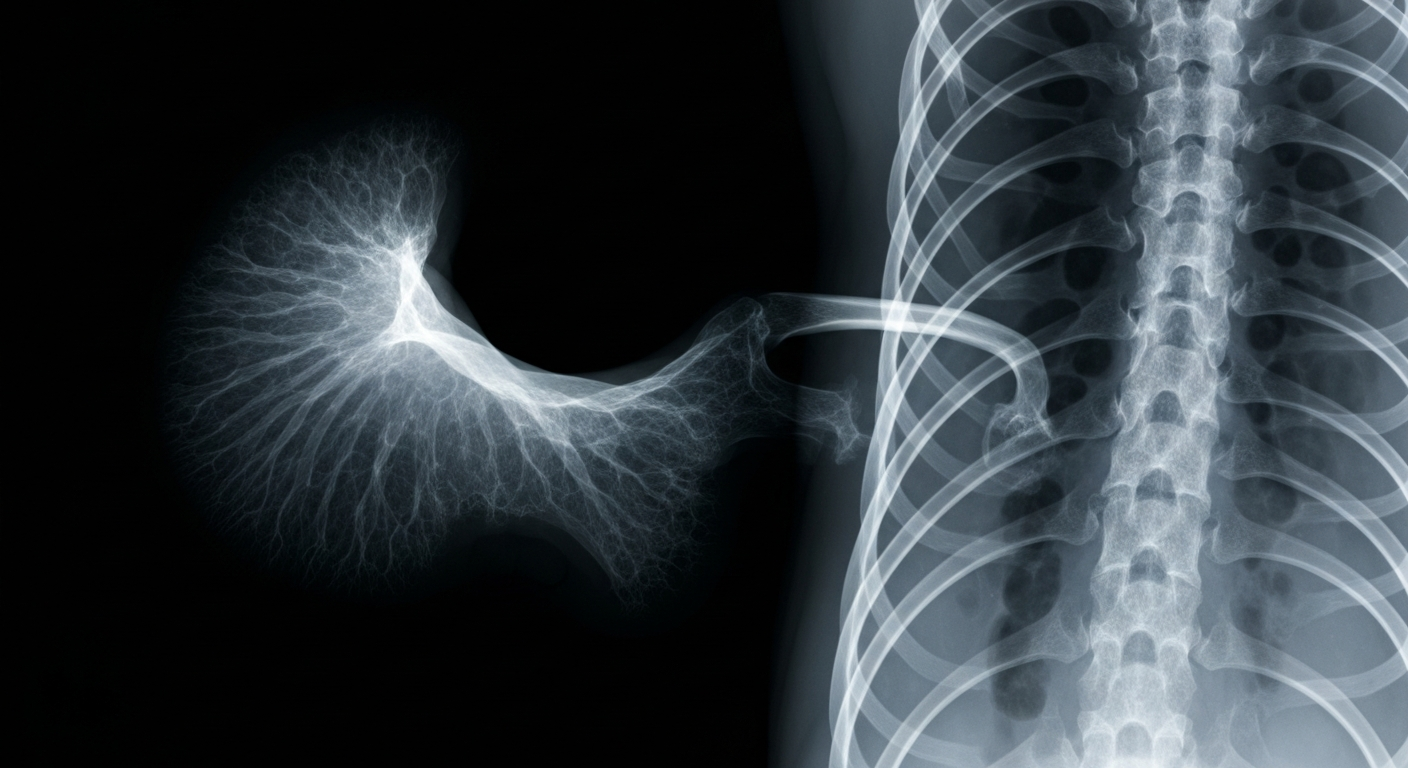 An X-ray-like visualization of the complex internal structures of a gastroesophageal tumor, highlighting the potential of immune-based therapies to reprogram the tumor microenvironment.San Diego Today
MiNK Therapeutics announced positive data from a Phase II trial evaluating its allo-iNKT cell therapy agenT-797 in combination with botensilimab (BOT) and balstilimab (BAL) in patients with advanced PD-1 refractory gastroesophageal adenocarcinoma. The study showed a 77% disease control rate and long-term survival beyond 20 months in a subset of patients, with improved progression-free survival and overall survival observed in those who received an induction cycle of agenT-797 prior to the full combination regimen.
Why it matters
These findings suggest that sequencing of treatment may be as important as the treatment itself, as the study observed longer survival without disease progression in patients who received an early immune-priming step before the full regimen, along with evidence of immune activation and tumor microenvironment remodeling. The durability of survival in the induction-treated subset is central to evaluating meaningful outcomes and will shape the next phase of development in this hard-to-treat population.
The details
The Phase II trial (n=17) was the first to evaluate agenT-797 in combination with BOT and BAL in patients with gastroesophageal cancer progressing after frontline therapy. The study was designed to assess the impact of immune priming and sequencing, with patients receiving induction (agenT-797 alone or with BOT/BAL) followed by combination therapy, or the combination without induction. Treatment achieved a 77% disease control rate, and long-term survival beyond 20 months was seen in a subset of patients. Patients who received the induction strategy had meaningful improvements in progression-free survival (6.9 vs. 3.5 months; HR 0.19; p=0.015) and overall survival (9.5 vs. 5.2 months), with 43% alive at 12 and 18 months compared to 20% and 0% in the non-induction cohort.
- The Phase II trial was conducted at Memorial Sloan Kettering Cancer Center.
- The data were presented at the American Association for Cancer Research (AACR) Annual Meeting in April 2026.
The players
MiNK Therapeutics
A clinical-stage biopharmaceutical company pioneering allogeneic invariant natural killer T (iNKT) cell therapies and precision-targeted immune technologies.
agenT-797
MiNK's lead candidate, an off-the-shelf iNKT cell therapy currently in clinical development for GVHD, solid tumors, and severe pulmonary inflammation.
botensilimab (BOT)
An investigational immunotherapy agent used in combination with agenT-797 in the Phase II trial.
balstilimab (BAL)
An investigational immunotherapy agent used in combination with agenT-797 in the Phase II trial.
Samuel L. Cytryn M.D.
Gastrointestinal Medical Oncologist at Memorial Sloan Kettering Cancer Center and presenter of the Phase II data.
What they’re saying
“This study reinforces the potential of agenT-797 as an immune orchestrator capable of re-engaging anti-tumor immunity in highly resistant cancers.”
— Jennifer Buell, Ph.D., President and Chief Executive Officer of MiNK Therapeutics
What’s next
Additional analysis of the full biospecimen dataset from the Phase II trial is ongoing and is expected to provide further insight into immune mechanisms, optimal sequencing, and potential biomarkers that could help identify patients most likely to benefit from this combination therapy approach.
The takeaway
The durability of survival observed in the induction-treated subset, together with evidence of immune activation, highlights the importance of sequencing in this hard-to-treat population and will shape the next phase of development for this combination therapy approach.
San Diego top stories



San Diego events

Apr. 17, 2026
Mae Martin: The Possum
Apr. 17, 2026
The Notebook (Touring)