- Today
- Holidays
- Birthdays
- Reminders
- Cities
- Atlanta
- Austin
- Baltimore
- Berwyn
- Beverly Hills
- Birmingham
- Boston
- Brooklyn
- Buffalo
- Charlotte
- Chicago
- Cincinnati
- Cleveland
- Columbus
- Dallas
- Denver
- Detroit
- Fort Worth
- Houston
- Indianapolis
- Knoxville
- Las Vegas
- Los Angeles
- Louisville
- Madison
- Memphis
- Miami
- Milwaukee
- Minneapolis
- Nashville
- New Orleans
- New York
- Omaha
- Orlando
- Philadelphia
- Phoenix
- Pittsburgh
- Portland
- Raleigh
- Richmond
- Rutherford
- Sacramento
- Salt Lake City
- San Antonio
- San Diego
- San Francisco
- San Jose
- Seattle
- Tampa
- Tucson
- Washington
Controversial 'Faces of Death' Film Sparks Lawsuits at California High Schools
The original 1978 pseudo-snuff film caused uproar when shown to students decades ago.
Apr. 14, 2026 at 4:55am
Got story updates? Submit your updates here. ›
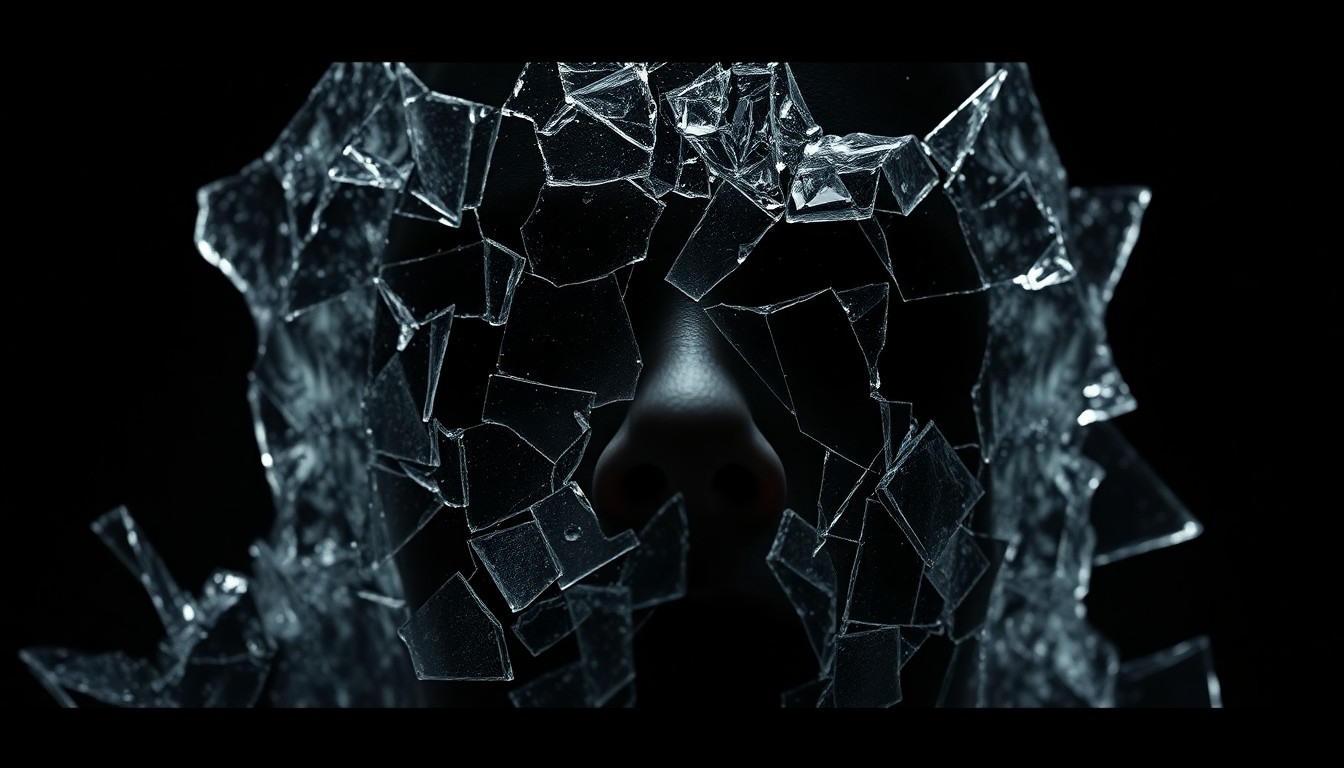 The controversial 'Faces of Death' film, once considered a 'video nasty,' continues to haunt audiences decades later.Los Angeles Today
The original 'Faces of Death' film, which claimed to depict real footage of graphic deaths, sparked outrage and lawsuits when shown to high school students in Southern California in the 1980s and 1990s. Teachers who screened the controversial 'video nasty' were sued by traumatized students, leading to settlements and suspensions.
Why it matters
The 'Faces of Death' controversy highlights the ongoing debate around the appropriateness of exposing minors to disturbing or potentially traumatic content in educational settings. It also reflects how societal attitudes towards graphic media have shifted over time, as modern audiences have become more desensitized to such material.
The details
In 1985, Escondido High School math teacher Bart Schwartz showed his class scenes from the original 'Faces of Death' film, including autopsies, decaying bodies, and animal cruelty. Student Diane Feese, then 16, said Schwartz forced them to watch the most gruesome moments and would not let students leave. Feese later sued the teacher and school principal for $3 million. Schwartz was suspended for 45 days. In 1986, another student, Sherry Forget, also sued Schwartz, receiving a $42,500 settlement. Less than a decade later, a Los Angeles high school teacher named Roger Haycock was sued by students Jesse Smith and Darby Hughes for showing excerpts of 'Faces of Death' in class, though the lawsuit was ultimately dismissed.
- In the summer of 1985, Bart Schwartz showed 'Faces of Death' to his Escondido High School math class.
- In the fall of 1985, Diane Feese sued Schwartz and the school principal for $3 million.
- In 1986, Sherry Forget sued Schwartz, receiving a $42,500 settlement.
- In December 1993, Roger Haycock showed 'Faces of Death' excerpts to his Verdugo Hills High School class.
The players
Bart Schwartz
A 28-year-old math teacher at Escondido High School who showed the original 'Faces of Death' film to his class in 1985, leading to lawsuits and suspensions.
Diane Feese
A 16-year-old student at Escondido High School who sued Schwartz and the school principal for $3 million after being forced to watch the most gruesome scenes from 'Faces of Death' in 1985.
Sherry Forget
Another student in Schwartz's Escondido High School math class who sued the teacher in 1986 for subjecting her to the 'Faces of Death' film, receiving a $42,500 settlement.
Roger Haycock
A social sciences teacher at Verdugo Hills High School who showed excerpts of 'Faces of Death' to his students in 1993, leading to a lawsuit that was ultimately dismissed.
Jesse Smith and Darby Hughes
Two Verdugo Hills High School students who sued their teacher Roger Haycock for requiring them to watch 'Faces of Death' in 1993.
What they’re saying
“Basically it had to do with the treatment of animals and the way we get our food, which was the lesson. We go to the supermarket and get our meat, and we think it sanitizes us because it's wrapped in plastic. But it has to be slaughtered for us by someone else. I was trying to show how other cultures provide food for themselves versus the way we do, living in the city.”
— Roger Haycock, Verdugo Hills High School teacher
What’s next
The 2026 remake of 'Faces of Death' is set to hit theaters, reigniting debates around the appropriateness of depicting graphic content, even in a fictional context.
The takeaway
The 'Faces of Death' controversy underscores the ongoing challenges schools face in balancing educational objectives with student wellbeing, as well as the evolving societal attitudes towards disturbing media content over time.
Los Angeles top stories



Los Angeles events

Apr. 14, 2026
Los Angeles Dodgers vs. New York Mets
Apr. 14, 2026
TINA - The Tina Turner Musical (touring)