- Today
- Holidays
- Birthdays
- Reminders
- Cities
- Atlanta
- Austin
- Baltimore
- Berwyn
- Beverly Hills
- Birmingham
- Boston
- Brooklyn
- Buffalo
- Charlotte
- Chicago
- Cincinnati
- Cleveland
- Columbus
- Dallas
- Denver
- Detroit
- Fort Worth
- Houston
- Indianapolis
- Knoxville
- Las Vegas
- Los Angeles
- Louisville
- Madison
- Memphis
- Miami
- Milwaukee
- Minneapolis
- Nashville
- New Orleans
- New York
- Omaha
- Orlando
- Philadelphia
- Phoenix
- Pittsburgh
- Portland
- Raleigh
- Richmond
- Rutherford
- Sacramento
- Salt Lake City
- San Antonio
- San Diego
- San Francisco
- San Jose
- Seattle
- Tampa
- Tucson
- Washington
Mental Health Experts Warn Unmanaged Stress Can Affect Health
Stress can be beneficial, but prolonged tension can lead to physical and emotional issues.
Apr. 18, 2026 at 1:25am
Got story updates? Submit your updates here. ›
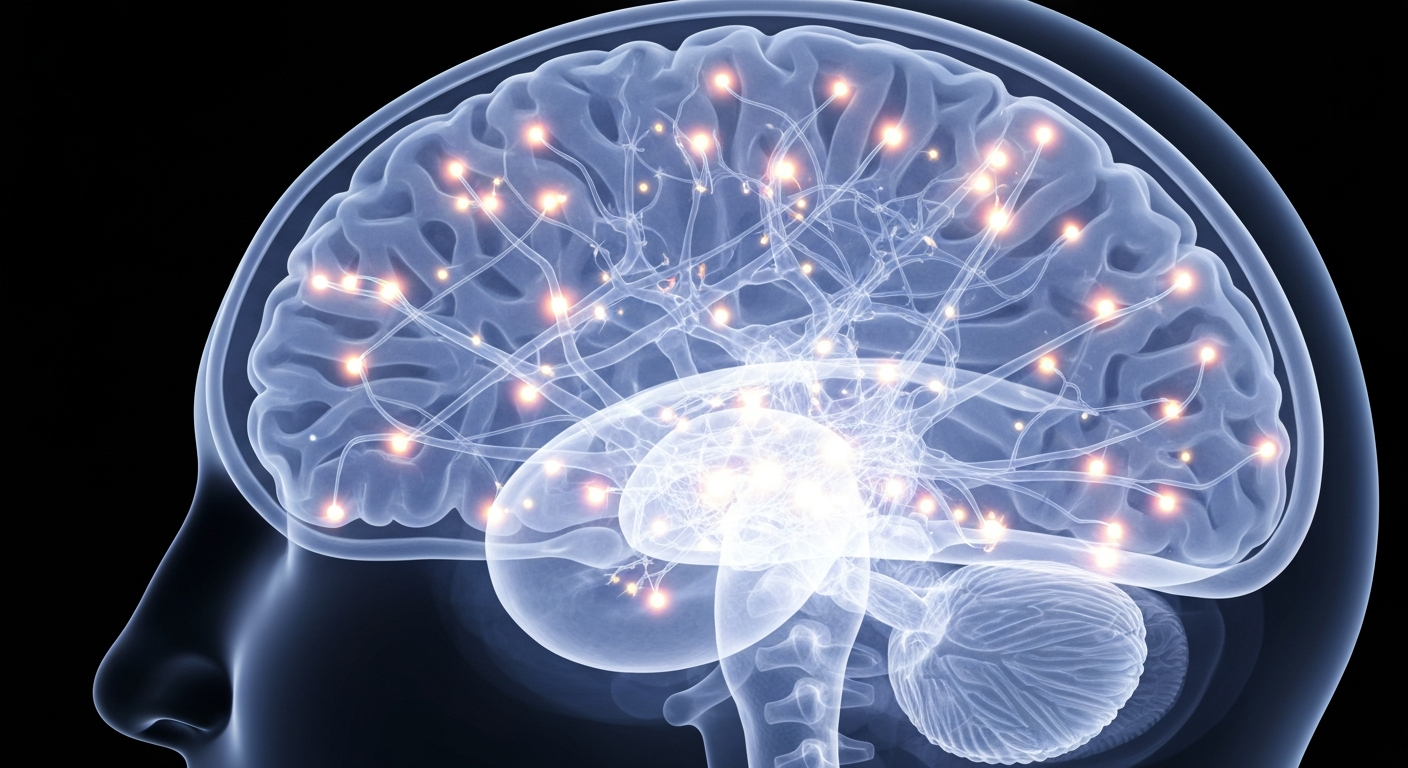 An X-ray view into the inner workings of the mind reveals the complex neural activity underlying stress and its impacts on mental and physical health.Fresno Today
Mental health experts say stress is a normal part of daily life, and some forms can even be beneficial as they help motivate people. However, when stress becomes unmanageable and overwhelming, it can lead to changes in behavior, emotional well-being, and physical health. Prolonged stress can increase feelings of anger and frustration, disrupt sleep, and worsen existing chronic conditions. Experts encourage people to find healthy ways to cope, such as exercising, writing, or taking deep breaths, and seek professional help if stress feels overwhelming.
Why it matters
Stress is a common experience, but if left unmanaged, it can have significant impacts on both mental and physical health. Understanding the difference between healthy and unhealthy stress, as well as effective coping strategies, is important for maintaining overall well-being.
The details
Mental health experts say stress is the body's natural reaction to new or challenging situations. While some stress, known as 'eustress,' can be beneficial by providing motivation and excitement, unmanageable 'distress' can lead to problematic changes. These include not enjoying activities, feeling disconnected from others, and experiencing increased anger, frustration, and changes in eating and sleeping habits. Prolonged stress can also worsen existing chronic health conditions by affecting the body's internal systems.
- Mental health experts provided these insights on April 18, 2026.
The players
Coraline Robinson
A Licensed Marriage and Family Therapist with Balance Treatment Center.
What they’re saying
“Eustress is good. We need a little anxiety to get up in the morning. We need a little excitement and anticipation to actually be motivated.”
— Coraline Robinson, Licensed Marriage and Family Therapist
“You aren't enjoying things you used to enjoy. You're not connected with people that you're normally connected with. Those are signs that the stress is becoming problematic and that you need some help.”
— Coraline Robinson, Licensed Marriage and Family Therapist
“Everything from increased pain, increased autoimmune problems, vulnerability to viruses and bacteria. Basically, our systems depend on each other internally, just like they do externally.”
— Coraline Robinson, Licensed Marriage and Family Therapist
“How can you remain less reactive and not jump and get startled and get anxious at things that you can't control? So there are strategies to increase your window of tolerance.”
— Coraline Robinson, Licensed Marriage and Family Therapist
“It can be exercising, it can be walking. It could be writing about it. It could be taking deep breaths, but there has to be some sort of external release.”
— Coraline Robinson, Licensed Marriage and Family Therapist
What’s next
If stress continues to feel overwhelming, Robinson recommends checking in with a doctor or therapist for support.
The takeaway
Stress is a normal part of life, but learning to manage it through healthy coping strategies is crucial for maintaining both mental and physical well-being. By recognizing the signs of unhealthy stress and seeking professional help when needed, individuals can prevent stress from negatively impacting their overall health.
Fresno top stories

Fresno events

Apr. 18, 2026
Banda MS
Apr. 18, 2026
CA USA WRESTLING- GRECO CADET JR STATE CHAMP
Apr. 18, 2026
Brat Rave