- Today
- Holidays
- Birthdays
- Reminders
- Cities
- Atlanta
- Austin
- Baltimore
- Berwyn
- Beverly Hills
- Birmingham
- Boston
- Brooklyn
- Buffalo
- Charlotte
- Chicago
- Cincinnati
- Cleveland
- Columbus
- Dallas
- Denver
- Detroit
- Fort Worth
- Houston
- Indianapolis
- Knoxville
- Las Vegas
- Los Angeles
- Louisville
- Madison
- Memphis
- Miami
- Milwaukee
- Minneapolis
- Nashville
- New Orleans
- New York
- Omaha
- Orlando
- Philadelphia
- Phoenix
- Pittsburgh
- Portland
- Raleigh
- Richmond
- Rutherford
- Sacramento
- Salt Lake City
- San Antonio
- San Diego
- San Francisco
- San Jose
- Seattle
- Tampa
- Tucson
- Washington
Combining Foods Can Boost Nutrient Absorption, Studies Show
Emerging evidence suggests certain food pairings can significantly enhance physiological uptake and functional health outcomes.
Apr. 18, 2026 at 2:51am
Got story updates? Submit your updates here. ›
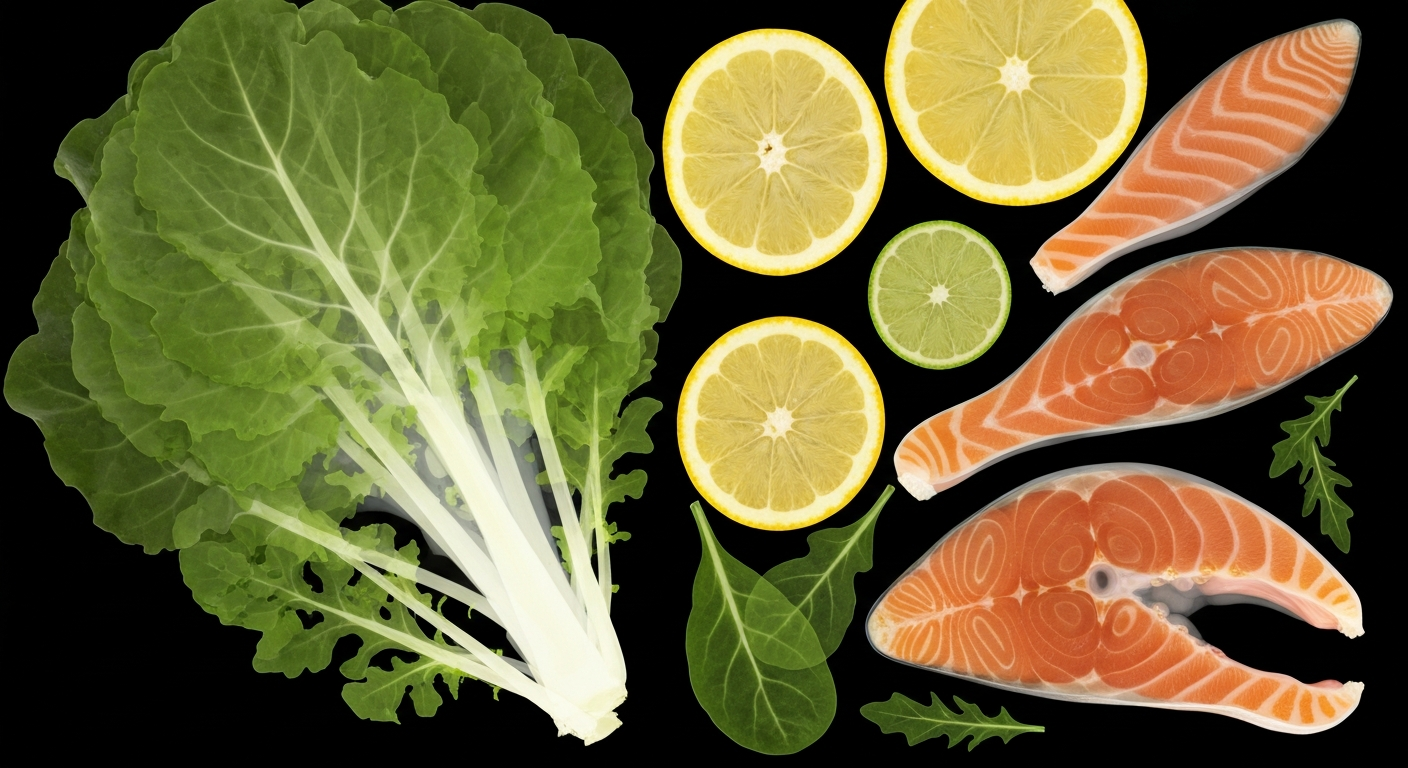 Cutting-edge nutritional science reveals the hidden synergies between common foods that can boost the body's absorption of essential vitamins and minerals.Davis Today
Recent discussions around synergistic food combinations have reignited interest in how dietary pairings influence metabolic health, nutrient bioavailability, and long-term disease prevention. While traditional nutrition guidance often focuses on individual food components, emerging evidence suggests that certain combinations—such as vitamin C-rich fruits with plant-based iron sources or healthy fats with fat-soluble vitamins—can significantly enhance physiological uptake and functional outcomes.
Why it matters
As consumers seek practical, evidence-based strategies to optimize dietary intake without supplementation, understanding which food pairings are substantiated by clinical data becomes essential for both public health messaging and clinical counseling. This concept, sometimes referred to as food synergy, is not merely anecdotal but is increasingly supported by mechanistic studies in human physiology and nutrient metabolism.
The details
The foundation of food synergy lies in well-established principles of gastrointestinal physiology and nutrient transport. For example, non-heme iron from legumes and leafy greens exists in the ferric (Fe³⁺) state, which is poorly soluble at intestinal pH. When consumed alongside ascorbic acid (vitamin C) from citrus fruits, bell peppers, or strawberries, the iron is reduced to ferrous (Fe²⁺), a form readily transported by divalent metal transporter 1 (DMT1) across enterocyte membranes. Similarly, the absorption of fat-soluble vitamins is intrinsically dependent on luminal lipid content. Vitamins A, D, E, and K are incorporated into mixed micelles alongside dietary triglycerides, a process facilitated by bile salts and pancreatic lipase.
- A randomized crossover study published in The American Journal of Clinical Nutrition found that consuming 50 mg of vitamin C with a meal increased non-heme iron absorption by 3.6-fold in iron-deficient women (n=42), with effects sustained over four weeks of daily pairing (Hallberg et al., 2021).
- A double-blind, placebo-controlled trial conducted at Harvard T.H. Chan School of Public Health demonstrated that participants who consumed vitamin D3 supplements with a meal containing 11 grams of fat achieved 32% higher serum 25-hydroxyvitamin D levels after 12 weeks compared to those who took the supplement fat-free (n=50; p<0.01) (Mulligan et al., 2022).
The players
Dr. Elena Rodriguez
PhD, RD, Associate Professor of Nutritional Sciences at the University of California, Davis.
What they’re saying
“Food synergy isn't about magic combinations—it's about leveraging basic physiology to maximize what the body already knows how to do. When we advise patients to eat spinach with lemon dressing or salmon with roasted vegetables, we're not giving trendy tips; we're applying decades of mechanistic nutrient science.”
— Dr. Elena Rodriguez, PhD, RD, Associate Professor of Nutritional Sciences
What’s next
Dietitians and primary care providers are uniquely positioned to translate this science into actionable meal planning, particularly for patients managing chronic conditions like anemia, osteoporosis, or malabsorption syndromes. For individuals navigating dietary restrictions or seeking to optimize nutrient status without pharmaceutical interventions, evidence-based food pairing offers a low-risk, high-yield strategy grounded in nutritional biochemistry.
The takeaway
As research continues to elucidate the complex interactions between food matrix, gut microbiota, and host metabolism, the principle of food synergy remains a cornerstone of precision nutrition. The current evidence already supports a clear clinical imperative: how we combine foods matters as much as what we eat.