- Today
- Holidays
- Birthdays
- Reminders
- Cities
- Atlanta
- Austin
- Baltimore
- Berwyn
- Beverly Hills
- Birmingham
- Boston
- Brooklyn
- Buffalo
- Charlotte
- Chicago
- Cincinnati
- Cleveland
- Columbus
- Dallas
- Denver
- Detroit
- Fort Worth
- Houston
- Indianapolis
- Knoxville
- Las Vegas
- Los Angeles
- Louisville
- Madison
- Memphis
- Miami
- Milwaukee
- Minneapolis
- Nashville
- New Orleans
- New York
- Omaha
- Orlando
- Philadelphia
- Phoenix
- Pittsburgh
- Portland
- Raleigh
- Richmond
- Rutherford
- Sacramento
- Salt Lake City
- San Antonio
- San Diego
- San Francisco
- San Jose
- Seattle
- Tampa
- Tucson
- Washington
Coachella Today
By the People, for the People
Memes de la Semana: Justin Bieber and the Ebrard Controversy
The rise of 'digital authenticity' in entertainment and the 'digital panopticon' in politics
Apr. 19, 2026 at 1:39pm
Got story updates? Submit your updates here. ›
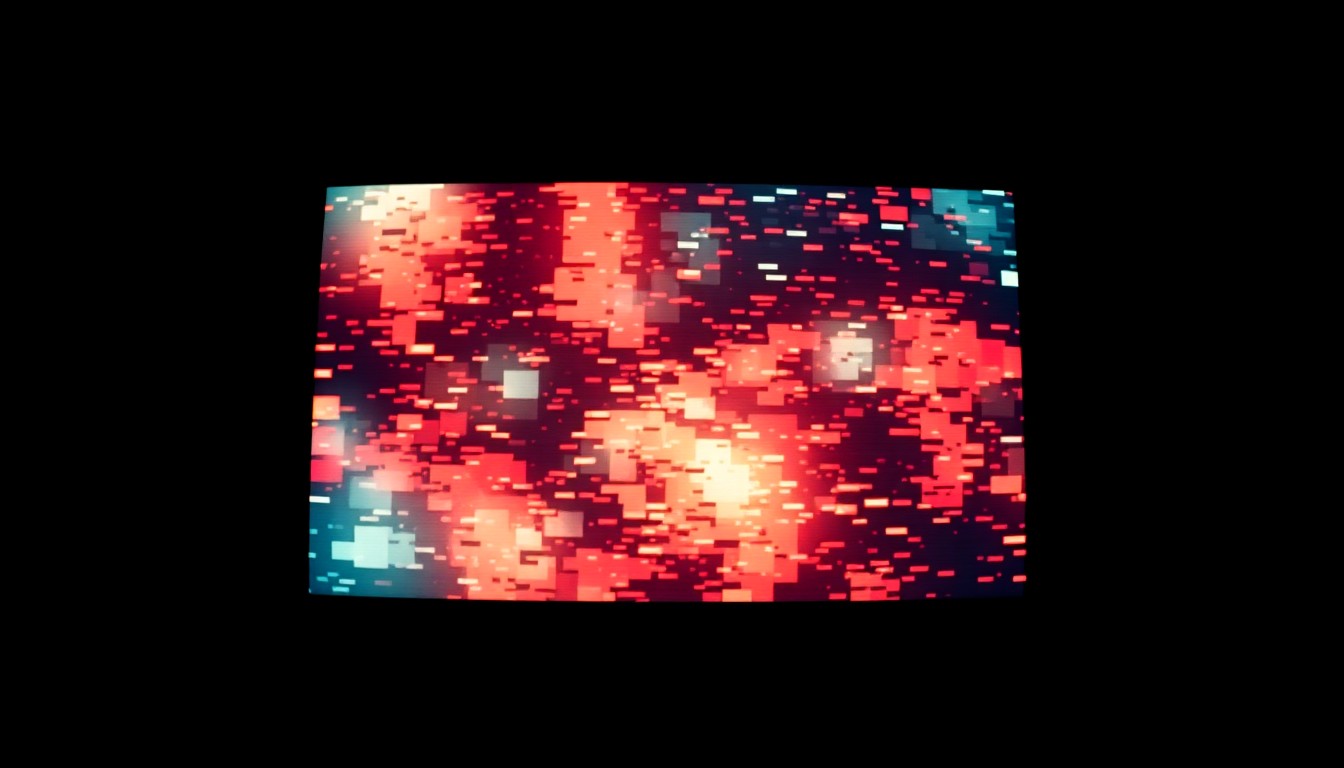 The 'Zoomification' of live performances signals a shift towards a more relatable, 'unfiltered' experience for audiences raised on digital media.Coachella Today
This article explores the growing trend of 'digital authenticity' in live entertainment, where artists like Justin Bieber are integrating mundane digital elements like screen-sharing into their performances to appear more relatable to audiences raised on TikTok and Twitch. It also examines how social media has led to a 'digital panopticon' in politics, where the private lives of political figures and their families are subject to intense public scrutiny through viral memes and leaks, forcing them to adopt a 'defense-first' communication strategy.
Why it matters
This shift in both entertainment and politics reflects a broader cultural desire for perceived honesty and relatability, even if the 'authenticity' is engineered. It highlights how digital platforms and meme culture are transforming the ways in which the public consumes and processes information, blurring the lines between celebrity, politics, and news.
The details
The article discusses how the 'Zoomification' of live performances, where artists incorporate glitchy digital elements, is a response to audiences craving the 'unfiltered' experience. This 'lo-fi' aesthetic has expanded beyond music, with 'ugly' graphic design trends and raw, unedited videos also gaining popularity. In politics, the viral outrage surrounding the lodging of political figures' family members in diplomatic residences, such as the controversy involving the son of Marcelo Ebrard, highlights a growing trend of the 'democratization of oversight.' Memes are now the primary lens through which Gen Z and Millennials process political information, reducing complex issues to shareable images that carry a sense of 'truth' in the public eye.
- The recent trend of artists integrating mundane digital elements into live performances has been observed over the past few years.
- The controversy surrounding Marcelo Ebrard's son's lodging in a diplomatic residence occurred in 2026.
The players
Justin Bieber
A Canadian pop star known for his live performances and integration of digital elements into his shows.
Marcelo Ebrard
A Mexican politician who has been the subject of controversy regarding his son's lodging in a diplomatic residence.
What’s next
As the trend of 'digital authenticity' in entertainment and the 'digital panopticon' in politics continues to evolve, it will be important to monitor how audiences and public figures adapt to these changes. Researchers and analysts will likely continue to study the impact of social media and meme culture on political discourse and the public's perception of celebrities and elected officials.
The takeaway
The convergence of entertainment and politics through digital platforms and meme culture is reshaping how the public consumes and processes information. This shift towards 'digital authenticity' and radical transparency is challenging traditional notions of celebrity, power, and accountability, with far-reaching implications for the future of both industries.