- Today
- Holidays
- Birthdays
- Reminders
- Cities
- Atlanta
- Austin
- Baltimore
- Berwyn
- Beverly Hills
- Birmingham
- Boston
- Brooklyn
- Buffalo
- Charlotte
- Chicago
- Cincinnati
- Cleveland
- Columbus
- Dallas
- Denver
- Detroit
- Fort Worth
- Houston
- Indianapolis
- Knoxville
- Las Vegas
- Los Angeles
- Louisville
- Madison
- Memphis
- Miami
- Milwaukee
- Minneapolis
- Nashville
- New Orleans
- New York
- Omaha
- Orlando
- Philadelphia
- Phoenix
- Pittsburgh
- Portland
- Raleigh
- Richmond
- Rutherford
- Sacramento
- Salt Lake City
- San Antonio
- San Diego
- San Francisco
- San Jose
- Seattle
- Tampa
- Tucson
- Washington
The Rolling Stones' 'World War III' Era Tested the Band's Unity
Tensions between Mick Jagger and Keith Richards nearly tore the iconic rock group apart in the 1980s.
Apr. 6, 2026 at 8:42pm
Got story updates? Submit your updates here. ›
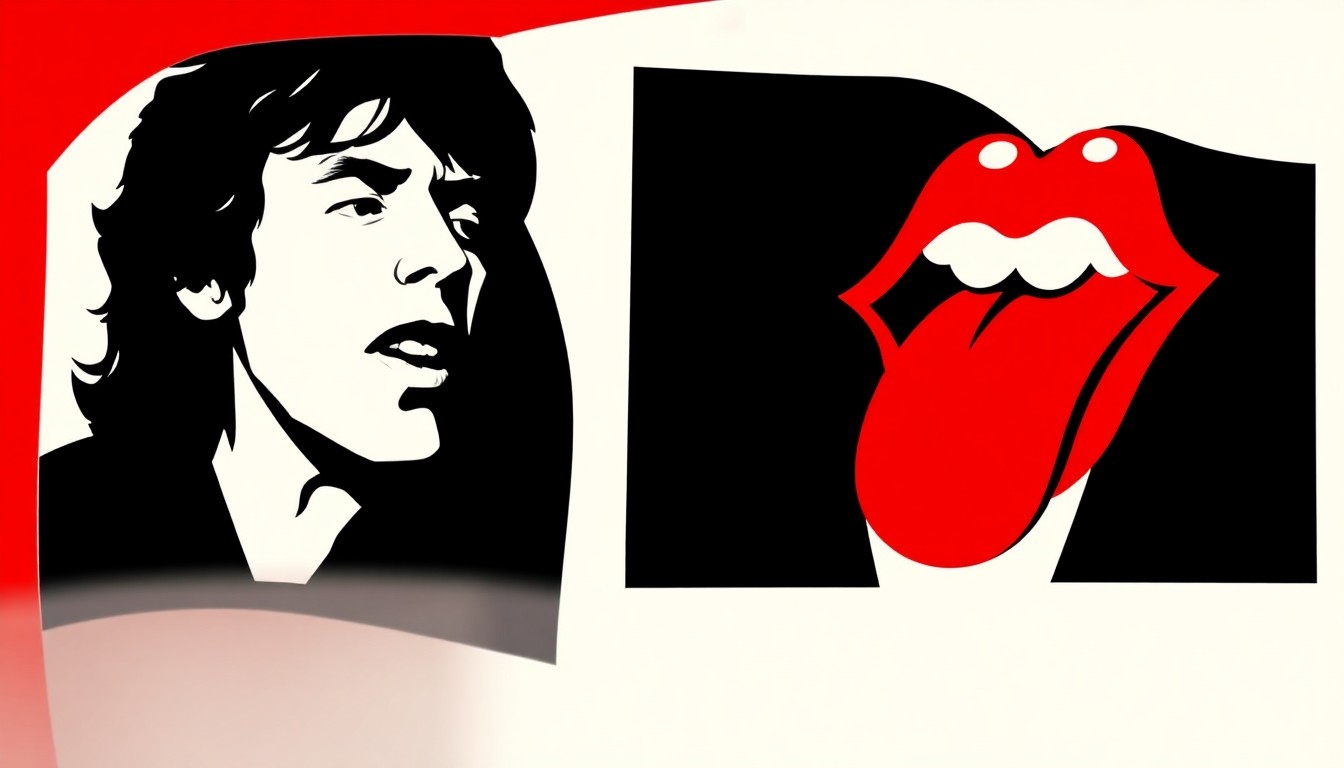 The bitter tensions between two rock legends threatened to tear apart one of music's most iconic bands.Tempe Today
The Rolling Stones, one of the longest-working rock bands, faced a contentious period in the early 1980s when a feud between lead singer Mick Jagger and guitarist Keith Richards threatened to tear the group apart. The two musicians clashed over creative control, with Jagger exerting more authority and Richards resisting, leading to a rift that Richards later described as 'World War III' within the band. The conflict bled into the Stones' studio work and live performances, but ultimately the band managed to survive the turmoil, though their relationship was never quite the same.
Why it matters
The Rolling Stones are one of the most iconic and influential rock bands of all time, and their ability to overcome internal conflicts and stay together for decades is a testament to their musical chemistry and resilience. This period of tension between Jagger and Richards provides insight into the challenges of maintaining a successful long-term collaboration, even among legendary artists.
The details
In the early 1980s, Jagger began exerting more control over the band, which Richards resisted. This manifested in ways like a video display at a Tempe, Arizona concert that read 'Mick Jagger and The Rolling Stones,' which Richards saw as Jagger asserting himself as the sole star. Richards responded by referring to Jagger as having 'lead vocalist syndrome' and calling him 'Brenda,' while Jagger became more dismissive of the band, isolating himself from his colleagues.
- The feud between Jagger and Richards began simmering in the early 1980s.
- The tensions reached a boiling point in the mid-1980s, which Richards described as 'World War III' within the band.
The players
Mick Jagger
The lead singer of The Rolling Stones, who began exerting more control over the band in the early 1980s, leading to a feud with guitarist Keith Richards.
Keith Richards
The guitarist of The Rolling Stones, who resisted Jagger's increased control over the band and referred to the tensions between them as 'World War III.'
The Rolling Stones
The iconic rock band that weathered a period of internal conflict between Jagger and Richards in the 1980s.
What they’re saying
“'It's very much like the way Mick and I behaved towards Brian [Jones],' Richards wrote in his memoir, Life. 'Once you release that acid, it begins to corrode.'”
— Keith Richards, Guitarist, The Rolling Stones
“'Since when? Mick was a controller of every detail, and it was no producer's oversight.'”
— Keith Richards, Guitarist, The Rolling Stones
“'It's very painful,' Richards wrote. 'He's given me enough grief over my life. But he's one of my mates, and to me it's a personal failure not to have been able to turn him around to the joys of friendship and just bring him down to earth.'”
— Keith Richards, Guitarist, The Rolling Stones
What’s next
The Rolling Stones have continued to tour and record music in the decades since their 'World War III' era, though the relationship between Jagger and Richards has never fully healed. Fans will be watching to see if the two can put aside their differences for future Stones projects.
The takeaway
The Rolling Stones' ability to overcome internal conflicts and stay together for over 50 years is a testament to their musical chemistry and resilience as a band. However, the 'World War III' period between Jagger and Richards serves as a cautionary tale about the challenges of maintaining long-term creative partnerships, even among legendary artists.