- Today
- Holidays
- Birthdays
- Reminders
- Cities
- Atlanta
- Austin
- Baltimore
- Berwyn
- Beverly Hills
- Birmingham
- Boston
- Brooklyn
- Buffalo
- Charlotte
- Chicago
- Cincinnati
- Cleveland
- Columbus
- Dallas
- Denver
- Detroit
- Fort Worth
- Houston
- Indianapolis
- Knoxville
- Las Vegas
- Los Angeles
- Louisville
- Madison
- Memphis
- Miami
- Milwaukee
- Minneapolis
- Nashville
- New Orleans
- New York
- Omaha
- Orlando
- Philadelphia
- Phoenix
- Pittsburgh
- Portland
- Raleigh
- Richmond
- Rutherford
- Sacramento
- Salt Lake City
- San Antonio
- San Diego
- San Francisco
- San Jose
- Seattle
- Tampa
- Tucson
- Washington
Gillette Today
By the People, for the People
Warmer Weather Provides Relief for Black Hills Energy and Logistics
Sudden temperature spike across Northeast Wyoming offers critical operational window
Apr. 5, 2026 at 10:06am
Got story updates? Submit your updates here. ›
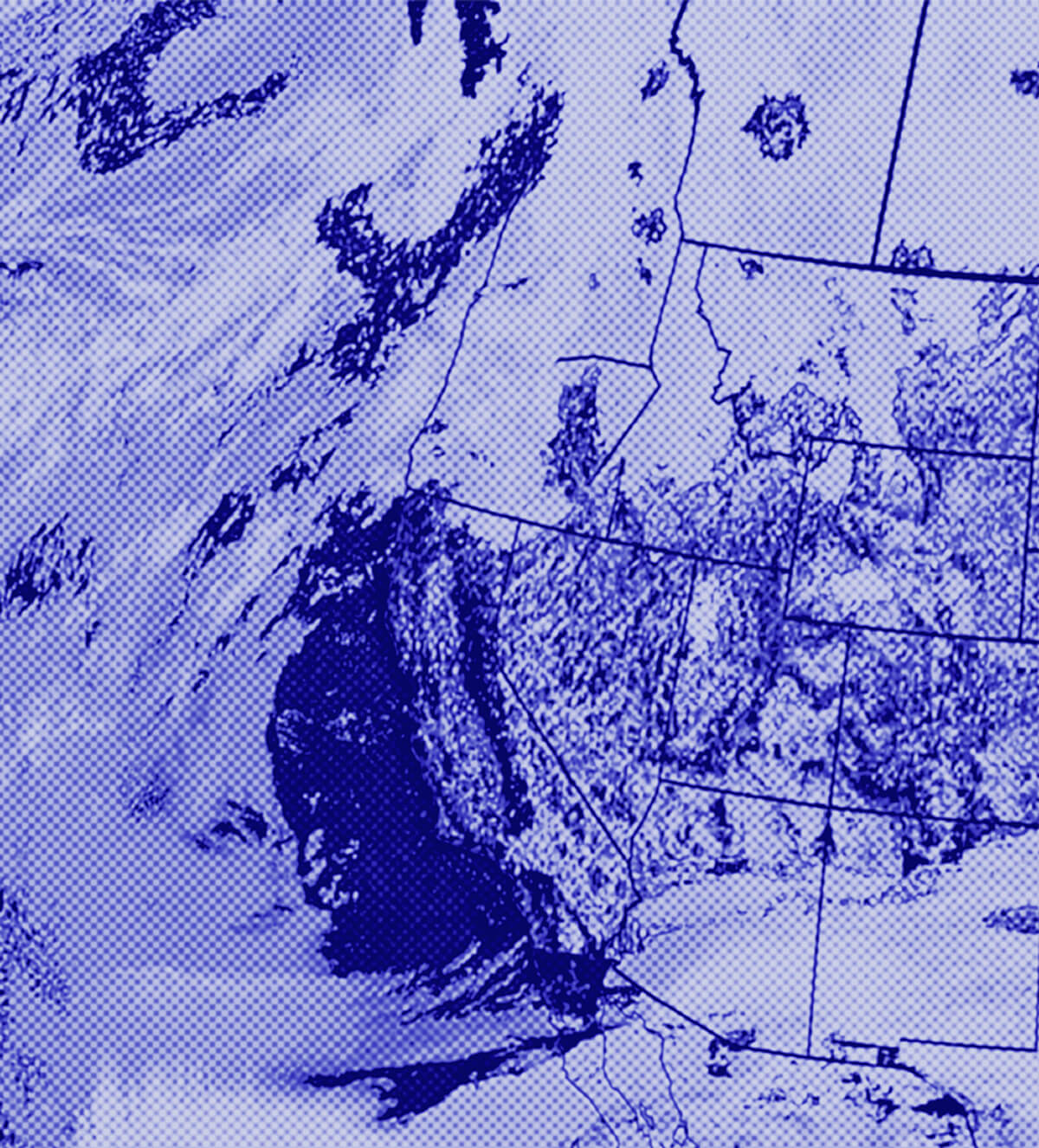
A sudden shift toward warmer weather across the Black Hills and Northeast Wyoming on April 5, 2026, is providing a critical window of operational relief for the region's energy and logistics sectors. Westerly winds pushed temperatures in Rapid City to 57 degrees, with the warming trend extending eastward across a corridor that includes Sheridan, Gillette, and Newcastle. For the energy-dense regions of Northeast Wyoming, these temperature spikes function as a significant variable in the cost of doing business, reducing the immediate risk of transit delays caused by ice and lowering the energy overhead required to heat critical infrastructure and maintain workforce safety.
Why it matters
The temporary thaw in the Black Hills region provides a necessary window for logistics catch-up and essential maintenance in the Powder River Basin, a major hub for coal production. Warmer temperatures typically reduce operational friction in this area, including a decrease in equipment failure and a reduction in slowed loading times at mine sites.
The details
The warming effect is centered around Rapid City and reaches through the industrial and transit hubs of Sheridan, Gillette, and Newcastle. According to reports from KOTA Territory News, this warming trend is expected to persist through Tuesday, April 7, 2026, before a new weather system arrives midweek.
- On April 5, 2026, temperatures in Rapid City reached 57 degrees.
- The warming trend is expected to persist through Tuesday, April 7, 2026.
The players
KOTA Territory News
A local news station that reported on the warming trend in the Black Hills region.
The takeaway
This sudden temperature spike in the Black Hills and Northeast Wyoming provides a critical operational window for the region's energy and logistics sectors, reducing costs and improving efficiency during a crucial period before a new weather system arrives.