- Today
- Holidays
- Birthdays
- Reminders
- Cities
- Atlanta
- Austin
- Baltimore
- Berwyn
- Beverly Hills
- Birmingham
- Boston
- Brooklyn
- Buffalo
- Charlotte
- Chicago
- Cincinnati
- Cleveland
- Columbus
- Dallas
- Denver
- Detroit
- Fort Worth
- Houston
- Indianapolis
- Knoxville
- Las Vegas
- Los Angeles
- Louisville
- Madison
- Memphis
- Miami
- Milwaukee
- Minneapolis
- Nashville
- New Orleans
- New York
- Omaha
- Orlando
- Philadelphia
- Phoenix
- Pittsburgh
- Portland
- Raleigh
- Richmond
- Rutherford
- Sacramento
- Salt Lake City
- San Antonio
- San Diego
- San Francisco
- San Jose
- Seattle
- Tampa
- Tucson
- Washington
Kingwood Today
By the People, for the People
West Virginia Residents Struggle with Soaring Utility Costs
High electricity bills force tough choices between heating, food, and other necessities
Apr. 12, 2026 at 1:20pm
Got story updates? Submit your updates here. ›
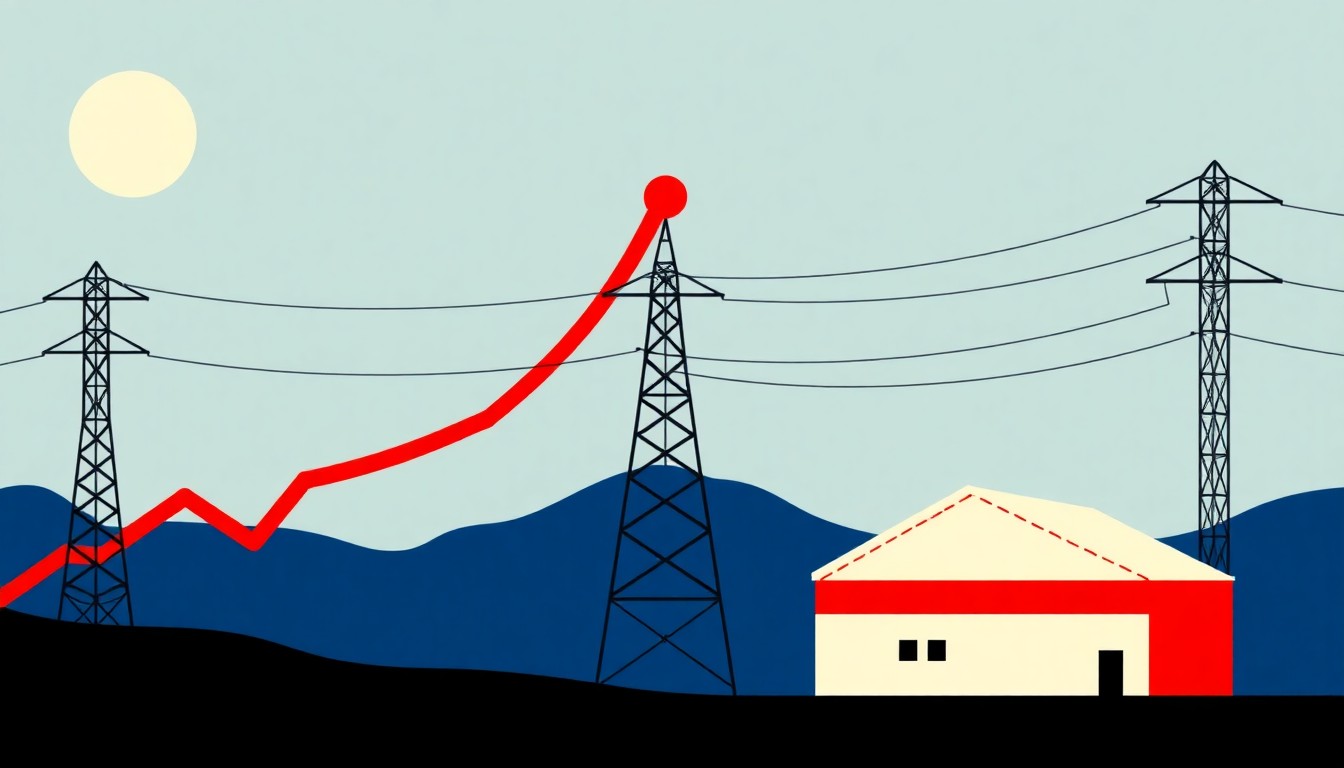
 As West Virginia residents grapple with soaring utility bills, the turbulent, overlapping waves of color in this abstract painting capture the financial strain and uncertainty they face.Kingwood Today
Residents in West Virginia are facing skyrocketing utility costs, with some monthly electricity bills exceeding $1,000. The state's reliance on aging coal-fired power plants and the influx of energy-intensive data centers have contributed to the price hikes, leaving many families on fixed incomes or low wages struggling to pay their bills. Some have been forced to choose between heating their homes, buying food, or paying for other essentials.
Why it matters
The high utility costs in West Virginia highlight the broader affordability crisis facing many Americans, as rising energy prices, inflation, and the growth of data centers strain household budgets. This issue could become a key political talking point in the upcoming midterm elections, as voters demand action to lower their utility bills.
The details
West Virginia's average household electricity rate has surged 73% from 2015 to 2025, while natural gas and water prices have also risen dramatically. This is due to the state's heavy reliance on aging coal-fired power plants, the influx of energy-hungry data centers, and other factors like extreme weather and infrastructure upgrades. Residents like Rebecca Michalski and Ashley Nicole Dixon have seen their monthly bills skyrocket, forcing them to make difficult choices about heating, food, and other necessities.
- In February, Michalski's electric bill was $940.08, more than her monthly check.
- During the past year, Michalski's utility statements totaled over $5,000.
- In November, some residents had their SNAP benefits put on hold due to the federal government shutdown, leading to a 1,300% increase in calls to the United Way's helpline for utility assistance.
The players
Rebecca Michalski
A disabled West Virginia resident living on a fixed income who has struggled with skyrocketing utility bills, sometimes exceeding her monthly income.
Ashley Nicole Dixon
A West Virginia resident who works as a manager at a Dollar General store and has seen her household utility bills total over $5,000 in the past year, despite her home being just over 1,000 square feet.
Caitlin Ware
A pastor in West Virginia who advocates for clean water access and is critical of the state's reliance on deregulation and privatization of utility systems.
Patrick Morrisey
The governor of West Virginia who has announced plans to build a $4 billion data center in the state, raising concerns about the impact on electricity prices and water usage.
Charles Hua
The founder of the consumer advocacy organization PowerLines, which found that investor-owned gas and electric utility companies asked for nearly $31 billion in rate increases nationwide last year, double the amount requested a year earlier.
What they’re saying
“Every time you see that power bill, you're just sick. I already know before I open it. I just dread seeing how much.”
— Rebecca Michalski
“We just roll back regulations and we keep being promised that deregulating and privatizing our systems is gonna fix everything, and it never does. It only makes the rich richer, and it only puts us in a worse situation.”
— Caitlin Ware, Pastor
“Electric bills have gone up 40% over the last five years. This is likely to continue to rise. This is definitely something that the Trump administration and President Trump are very concerned about.”
— Charles Hua, Founder, PowerLines
What’s next
The judge in the case will decide on Tuesday whether or not to allow Walker Reed Quinn out on bail.
The takeaway
This case highlights growing concerns in the community about repeat offenders released on bail, raising questions about bail reform, public safety on SF streets, and if any special laws to govern autonomous vehicles in residential and commercial areas.