- Today
- Holidays
- Birthdays
- Reminders
- Cities
- Atlanta
- Austin
- Baltimore
- Berwyn
- Beverly Hills
- Birmingham
- Boston
- Brooklyn
- Buffalo
- Charlotte
- Chicago
- Cincinnati
- Cleveland
- Columbus
- Dallas
- Denver
- Detroit
- Fort Worth
- Houston
- Indianapolis
- Knoxville
- Las Vegas
- Los Angeles
- Louisville
- Madison
- Memphis
- Miami
- Milwaukee
- Minneapolis
- Nashville
- New Orleans
- New York
- Omaha
- Orlando
- Philadelphia
- Phoenix
- Pittsburgh
- Portland
- Raleigh
- Richmond
- Rutherford
- Sacramento
- Salt Lake City
- San Antonio
- San Diego
- San Francisco
- San Jose
- Seattle
- Tampa
- Tucson
- Washington
Kingwood Today
By the People, for the People
West Virginia Residents Struggle With Soaring Electricity Bills
Families forced to choose between paying for food or heat as utility costs surpass mortgages
Apr. 9, 2026 at 8:38pm
Got story updates? Submit your updates here. ›
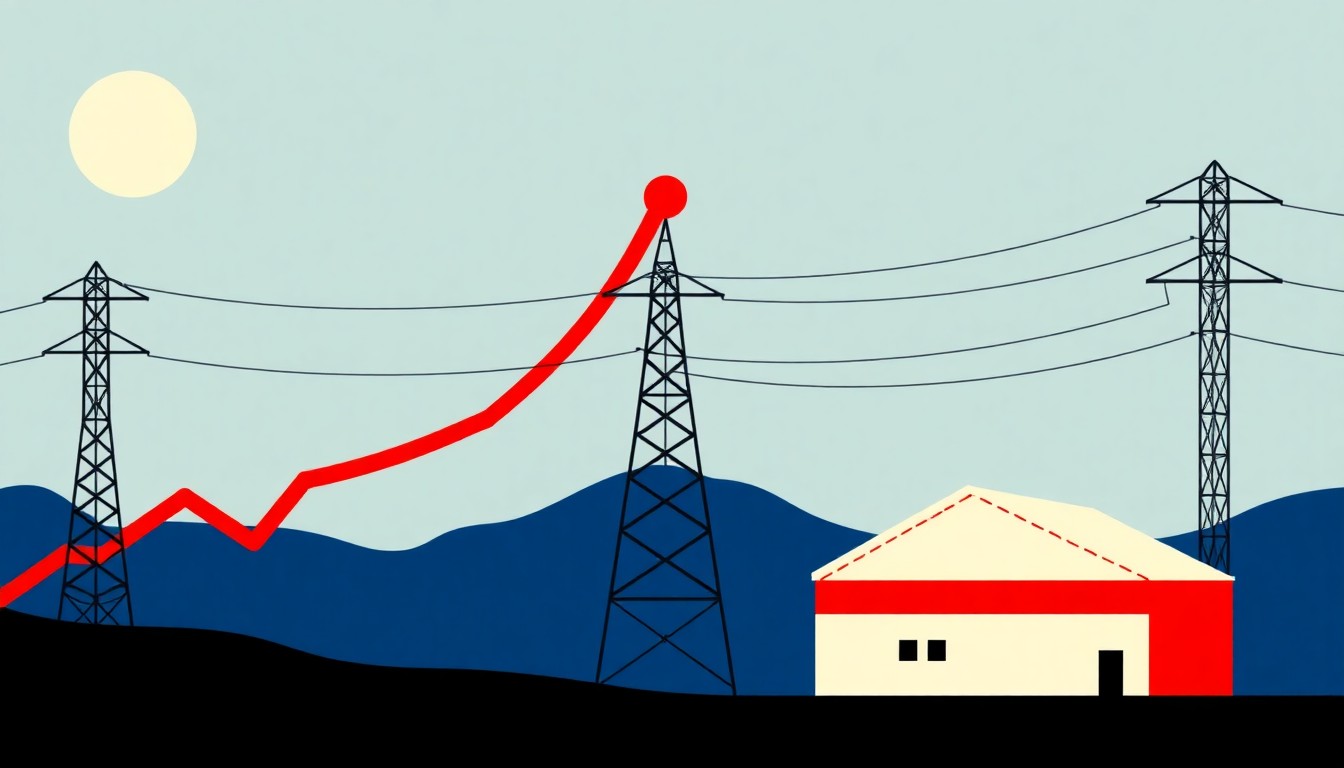 Soaring utility bills force West Virginia families to choose between necessities as the state's reliance on coal power drives up electricity costs.Kingwood Today
West Virginians are angry and perplexed over soaring utility costs that are sometimes surpassing rents and mortgages in one of the most energy-rich, yet poorest, corners of America. Families have been forced to choose between paying for food or heat, as electricity bills have skyrocketed despite President Trump's promises to cut Americans' electricity bills by half.
Why it matters
West Virginia's reliance on aging coal-fired power plants and resistance to adopting cleaner, cheaper energy sources like natural gas and renewables has contributed to the state having some of the highest electricity rates in the country. This is exacerbating economic hardship in one of the poorest states, where residents are already struggling with low wages, the opioid epidemic, and a lack of economic opportunities.
The details
Increased demand, extreme weather, aging infrastructure, and rising natural gas prices are driving electricity bills higher nationwide. In West Virginia, the state's heavy reliance on coal power, which accounts for 87% of electricity production, has led to some of the fastest rising rates in the country, far outpacing the national average. Despite being one of the top natural gas producers, West Virginia has stubbornly clung to coal, with the Republican-led state government doubling down on this reliance.
- In February, West Virginia resident Rebecca Michalski's electric bill was $940.08, more than her monthly check.
- During the past year, Michalski's utility statements have totaled over $5,000.
- In November, some West Virginia residents had their Supplemental Nutrition Assistance Program (SNAP) benefits put on hold due to the federal government shutdown, leading to a 1,300% increase in calls to the United Way's Central West Virginia helpline.
The players
Rebecca Michalski
A West Virginia resident living on a fixed income who has seen her electric bills skyrocket, sometimes exceeding her monthly check.
Donald Trump
The former president who promised to cut Americans' electricity bills by half during his time in office, a promise that has not materialized.
Patrick Morrisey
The governor of West Virginia who has announced plans to build a $4 billion data center in the state, raising concerns about the impact on electricity prices and water usage.
Jamie Van Nostrand
The policy director at the nonprofit Future of Heat Initiative and a former West Virginia University professor who has written about the state's reliance on coal energy.
Caitlin Ware
A pastor in West Virginia who advocates for clean water and is critical of the state's reliance on deregulation and privatization of utility systems.
What they’re saying
“Every time you see that power bill, you're just sick. I already know before I open it. I just dread seeing how much.”
— Rebecca Michalski
“If you're not 100% in on coal, then you're a traitor. … It's like a measure of patriotism.”
— Jamie Van Nostrand, Policy director, Future of Heat Initiative
“We just roll back regulations and we keep being promised that deregulating and privatizing our systems is gonna fix everything, and it never does. It only makes the rich richer, and it only puts us in a worse situation.”
— Caitlin Ware, Pastor
“Every month we get our utility bills, I'm so angry. I'm like, 'Why is this so high?' And we can't figure it out. Nothing seems to be wrong … and we're not wasteful.”
— Jennifer Brown, Resident
“Once I started getting those high electric bills in the winter, I was like, 'This will be what closes me down.' West Virginia is holding back a lot of people because they are allowing these bills to be so high.”
— Heather Santee, Small business owner
What’s next
The judge in the case will decide on Tuesday whether or not to allow Walker Reed Quinn out on bail.
The takeaway
This case highlights growing concerns in the community about repeat offenders released on bail, raising questions about bail reform, public safety on SF streets, and if any special laws to govern autonomous vehicles in residential and commercial areas.