- Today
- Holidays
- Birthdays
- Reminders
- Cities
- Atlanta
- Austin
- Baltimore
- Berwyn
- Beverly Hills
- Birmingham
- Boston
- Brooklyn
- Buffalo
- Charlotte
- Chicago
- Cincinnati
- Cleveland
- Columbus
- Dallas
- Denver
- Detroit
- Fort Worth
- Houston
- Indianapolis
- Knoxville
- Las Vegas
- Los Angeles
- Louisville
- Madison
- Memphis
- Miami
- Milwaukee
- Minneapolis
- Nashville
- New Orleans
- New York
- Omaha
- Orlando
- Philadelphia
- Phoenix
- Pittsburgh
- Portland
- Raleigh
- Richmond
- Rutherford
- Sacramento
- Salt Lake City
- San Antonio
- San Diego
- San Francisco
- San Jose
- Seattle
- Tampa
- Tucson
- Washington
Ontario Today
By the People, for the People
Winter Storm Threatens Power Outages, Travel Risks in Northern U.S.
Ice and snow expected to impact Upper Midwest and Canadian border regions this week.
Mar. 30, 2026 at 8:51pm
Got story updates? Submit your updates here. ›
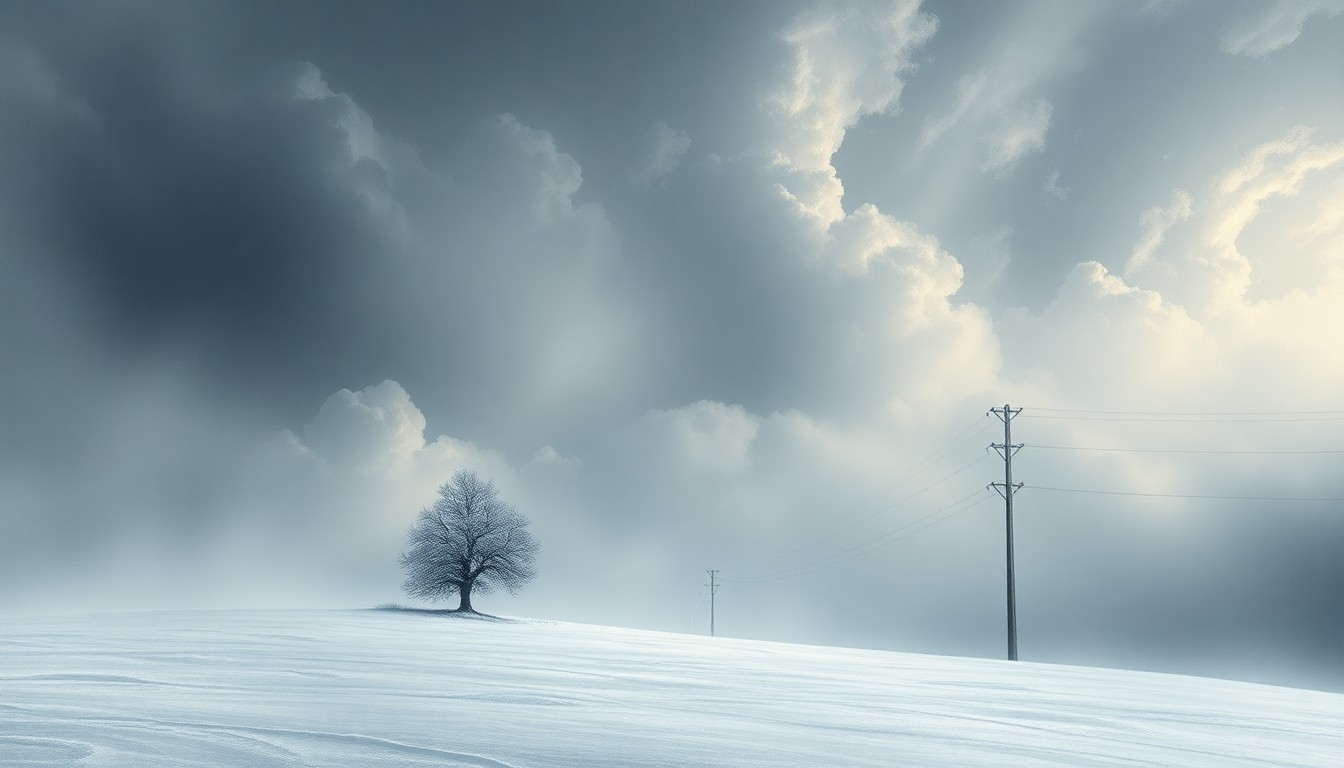 A late-season winter storm brings the raw power of nature to bear on the northern U.S., posing risks of widespread power outages and treacherous travel conditions.Ontario Today
A winter storm is forecast to bring a mix of snow, ice, and wintry precipitation to parts of the Upper Midwest and northern tier of the Northeast this week, potentially causing power outages and hazardous travel conditions. The storm system will track from the West into the northern Great Lakes and Canada, with the most dangerous aspect being the risk of significant ice accumulation on trees and power lines.
Why it matters
Late-season winter weather events can be particularly disruptive, as communities may be less prepared and infrastructure may be more vulnerable after a prolonged period of milder conditions. Power outages from ice storms can leave residents without heat or electricity for extended periods, while heavy, wet snow can also weigh down trees and power lines. Travel disruptions from the storm could impact commuters, businesses, and supply chains in affected regions.
The details
The storm is expected to bring wintry precipitation, including snow and ice, to a swath of territory from eastern South Dakota through Minnesota, Wisconsin, and Michigan's Upper Peninsula starting on Wednesday. Significant ice accumulation of a quarter-inch or more is possible, which can cause widespread tree damage and power outages. In addition, the heavy, wet snow is likely to cling to trees and power lines, further increasing the risk of outages. As the storm system moves into southern Canada over the Easter weekend, a new round of snow and ice is forecast to impact parts of Minnesota, South Dakota, Iowa, Wisconsin, northern Michigan, and northern Maine.
- The storm system will arrive in the Upper Midwest by Wednesday, March 30.
- Wintry precipitation, including snow and ice, is expected to spread from eastern South Dakota through Minnesota, Wisconsin, and Michigan's Upper Peninsula on Wednesday night into Thursday, March 31.
- A second round of snow and ice is forecast to affect parts of Minnesota, South Dakota, Iowa, Wisconsin, northern Michigan, and northern Maine over the Easter weekend, April 5-7.
The players
Upper Midwest
A region of the north-central United States that includes states such as Minnesota, Wisconsin, and the Dakotas, known for its harsh winter weather.
Canadian border
The northern border of the United States that runs along the Canadian provinces, including areas in the Northeast and Midwest.
What they’re saying
“Enough will occur to create travel problems and possibly cause power outages.”
— Alex Sosnowski, Author
What’s next
As the storm system moves through the region, local authorities and utility companies will be monitoring conditions closely and preparing to respond to any power outages or travel disruptions. Residents in the affected areas should stay informed about the latest weather forecasts and be prepared for potential service interruptions.
The takeaway
This late-season winter storm highlights the ongoing challenges that northern communities face in dealing with unpredictable and potentially disruptive weather events, even as spring approaches. Proactive planning and preparedness will be key to minimizing the impact on residents, businesses, and critical infrastructure.