- Today
- Holidays
- Birthdays
- Reminders
- Cities
- Atlanta
- Austin
- Baltimore
- Berwyn
- Beverly Hills
- Birmingham
- Boston
- Brooklyn
- Buffalo
- Charlotte
- Chicago
- Cincinnati
- Cleveland
- Columbus
- Dallas
- Denver
- Detroit
- Fort Worth
- Houston
- Indianapolis
- Knoxville
- Las Vegas
- Los Angeles
- Louisville
- Madison
- Memphis
- Miami
- Milwaukee
- Minneapolis
- Nashville
- New Orleans
- New York
- Omaha
- Orlando
- Philadelphia
- Phoenix
- Pittsburgh
- Portland
- Raleigh
- Richmond
- Rutherford
- Sacramento
- Salt Lake City
- San Antonio
- San Diego
- San Francisco
- San Jose
- Seattle
- Tampa
- Tucson
- Washington
Glendale Today
By the People, for the People
Wisconsin Woman Fights $23,000 Bill for Knee Surgery
Insurance provider says surgery was not authorized, clinic says it was approved
Apr. 17, 2026 at 2:41am
Got story updates? Submit your updates here. ›
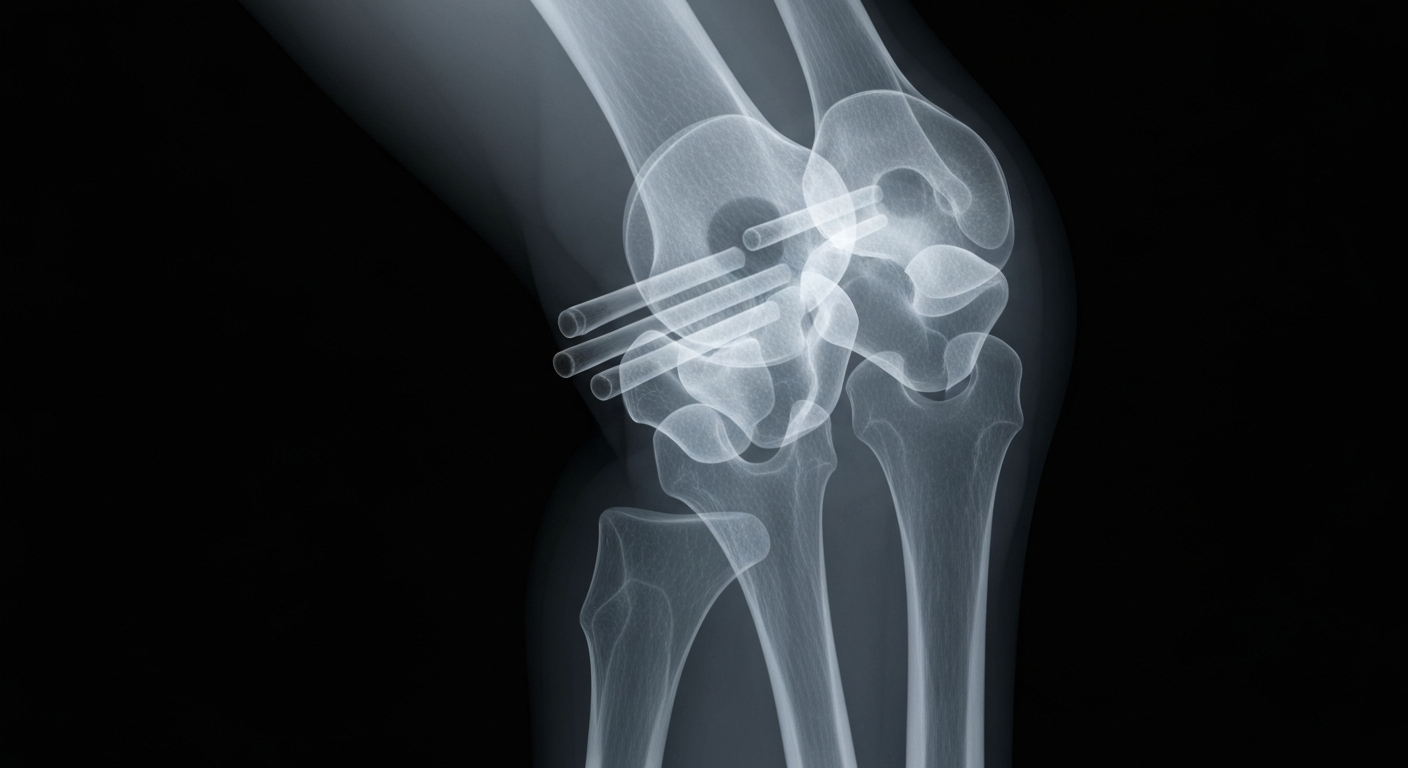 An X-ray image reveals the internal hardware used to repair a patient's broken knee, highlighting the complex medical procedures that can lead to unexpected billing disputes.Glendale Today
A Glendale, Wisconsin woman received a bill for over $20,000 for a knee surgery she thought would be covered by her insurance. Her insurance provider, United Healthcare, said the surgery was not authorized in advance, but the clinic, Midwest Orthopedic Specialty Hospital, said the procedure was authorized. After the woman appealed the decision and contacted a local news segment, the hospital said she would no longer be responsible for the charges.
Why it matters
This case highlights the ongoing challenges patients face navigating the complex healthcare system, especially when there are disputes between insurance providers and medical facilities over coverage and authorization. It underscores the importance of patients advocating for themselves and seeking help when faced with unexpected medical bills.
The details
Kristine Staral, the owner of a fitness studio in Brookfield, Wisconsin, underwent knee surgery at Midwest Orthopedic Specialty Hospital (MOSH) in July 2025 after a friend's rottweiler broke her tibia. Staral recovered quickly, but then received a bill for $23,700 after her insurance provider, United Healthcare (UHC), said the surgery was out-of-network and not authorized. Staral appealed the decision, providing letters from the Orthopedic Institute of Wisconsin stating the medical necessity of the treatment and that UHC had authorized the procedure. After Staral reached out to a local news segment, Contact 6, MOSH said it would take full responsibility for the bill and refund any previous payments.
- On July 16, 2025, UHC received a prior authorization request for Staral's surgery.
- On July 17, 2025, UHC denied the authorization request because the provider was out-of-network.
- On July 17, 2025, the surgery was performed at MOSH.
- In February 2026, Staral wrote to Contact 6 for help.
- Last week, Staral's attorney filed a lawsuit against UHC.
The players
Kristine Staral
The owner of The Exercise Coach in Brookfield, Wisconsin who underwent knee surgery after being injured by a friend's rottweiler.
United Healthcare (UHC)
Staral's insurance provider that initially denied coverage for the knee surgery, claiming it was out-of-network and not authorized.
Midwest Orthopedic Specialty Hospital (MOSH)
The hospital where Staral underwent the knee surgery, which said it had received authorization from UHC for the procedure.
Orthopedic Institute of Wisconsin
The clinic that provided letters stating the medical necessity of Staral's treatment and that UHC had authorized the surgery.
Justin Wallace
The attorney who filed a lawsuit against UHC on Staral's behalf.
What they’re saying
“I've got the proof that it was covered. I just feel like United Healthcare is fighting a battle with me and I don't know why.”
— Kristine Staral
“I think if any insurance company isn't going to pay for a procedure like this, they should be very upfront.”
— Justin Wallace, Attorney
“(The woman) explained to me that they are obviously very frustrated for me. They are going to take all responsibilities off my shoulders for the bill.”
— Kristine Staral
What’s next
It is now up to MOSH and UHC to resolve the charges, which Staral says is a relief after her lengthy battle.
The takeaway
This case highlights the ongoing challenges patients face when insurance providers and medical facilities dispute coverage, underscoring the importance of patients advocating for themselves and seeking help when faced with unexpected medical bills. It also demonstrates the value of media attention in pressuring healthcare organizations to resolve such billing disputes.