- Today
- Holidays
- Birthdays
- Reminders
- Cities
- Atlanta
- Austin
- Baltimore
- Berwyn
- Beverly Hills
- Birmingham
- Boston
- Brooklyn
- Buffalo
- Charlotte
- Chicago
- Cincinnati
- Cleveland
- Columbus
- Dallas
- Denver
- Detroit
- Fort Worth
- Houston
- Indianapolis
- Knoxville
- Las Vegas
- Los Angeles
- Louisville
- Madison
- Memphis
- Miami
- Milwaukee
- Minneapolis
- Nashville
- New Orleans
- New York
- Omaha
- Orlando
- Philadelphia
- Phoenix
- Pittsburgh
- Portland
- Raleigh
- Richmond
- Rutherford
- Sacramento
- Salt Lake City
- San Antonio
- San Diego
- San Francisco
- San Jose
- Seattle
- Tampa
- Tucson
- Washington
Yakima Today
By the People, for the People
Yakima Valley Irrigation Outlook Improves, But Still Poor
Farmers in the region continue to face water shortages due to climate change and drought.
Apr. 10, 2026 at 4:33am
Got story updates? Submit your updates here. ›
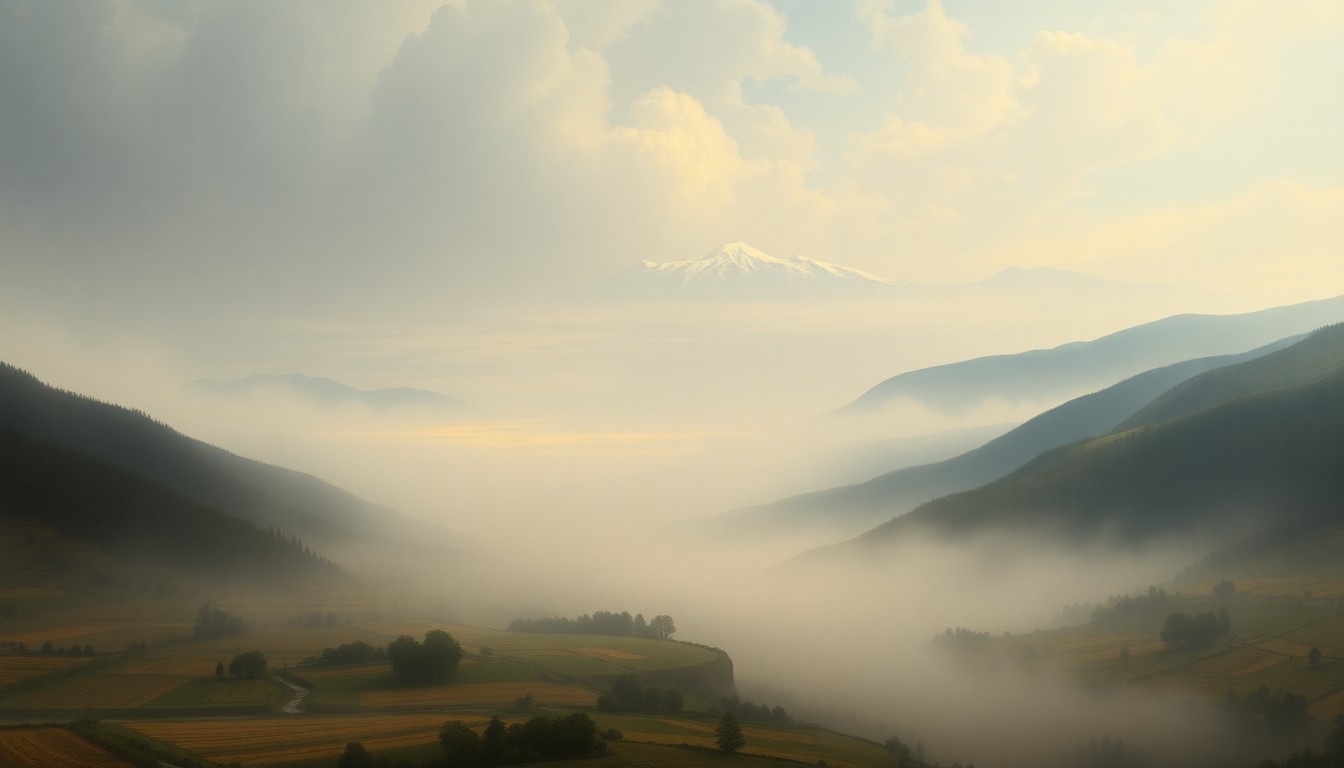 The Yakima Valley's water challenges reflect the broader climate-driven drought impacting the western United States.Yakima Today
The outlook for irrigation in the Yakima River basin has improved over the past month, but many farmers still face a severe water shortage, according to a new forecast from the Bureau of Reclamation. While the situation is better than initially expected, the region is still dealing with a snowpack-related drought that is impacting water supply for junior water rights holders.
Why it matters
The Yakima Valley is a major agricultural region in Washington state, producing a wide variety of crops including apples, hops, and wine grapes. Reliable irrigation is critical for these farmers, and water shortages can have significant economic impacts on the local economy.
The details
The Bureau of Reclamation's latest forecast indicates that irrigation districts with junior water rights will receive some water allocations, though the amounts are still well below normal levels. Snowpack in the region has been lower than average, leading to concerns about drought conditions and water scarcity throughout the growing season.
- The Bureau of Reclamation released its latest forecast on April 9, 2026.
- The irrigation outlook has improved over the past month, though the situation remains challenging.
The players
Bureau of Reclamation
A federal agency that manages water resources in the western United States, including operating dams and reservoirs.
The takeaway
The Yakima Valley's water woes underscore the ongoing challenges that farmers in the western U.S. face due to climate change and drought, highlighting the need for long-term solutions to ensure reliable water supplies for agricultural communities.