- Today
- Holidays
- Birthdays
- Reminders
- Cities
- Atlanta
- Austin
- Baltimore
- Berwyn
- Beverly Hills
- Birmingham
- Boston
- Brooklyn
- Buffalo
- Charlotte
- Chicago
- Cincinnati
- Cleveland
- Columbus
- Dallas
- Denver
- Detroit
- Fort Worth
- Houston
- Indianapolis
- Knoxville
- Las Vegas
- Los Angeles
- Louisville
- Madison
- Memphis
- Miami
- Milwaukee
- Minneapolis
- Nashville
- New Orleans
- New York
- Omaha
- Orlando
- Philadelphia
- Phoenix
- Pittsburgh
- Portland
- Raleigh
- Richmond
- Rutherford
- Sacramento
- Salt Lake City
- San Antonio
- San Diego
- San Francisco
- San Jose
- Seattle
- Tampa
- Tucson
- Washington
Supreme Court to Hear Birthright Citizenship Case
Oral arguments will determine the future of birthright citizenship in the U.S.
Apr. 18, 2026 at 4:28am
Got story updates? Submit your updates here. ›
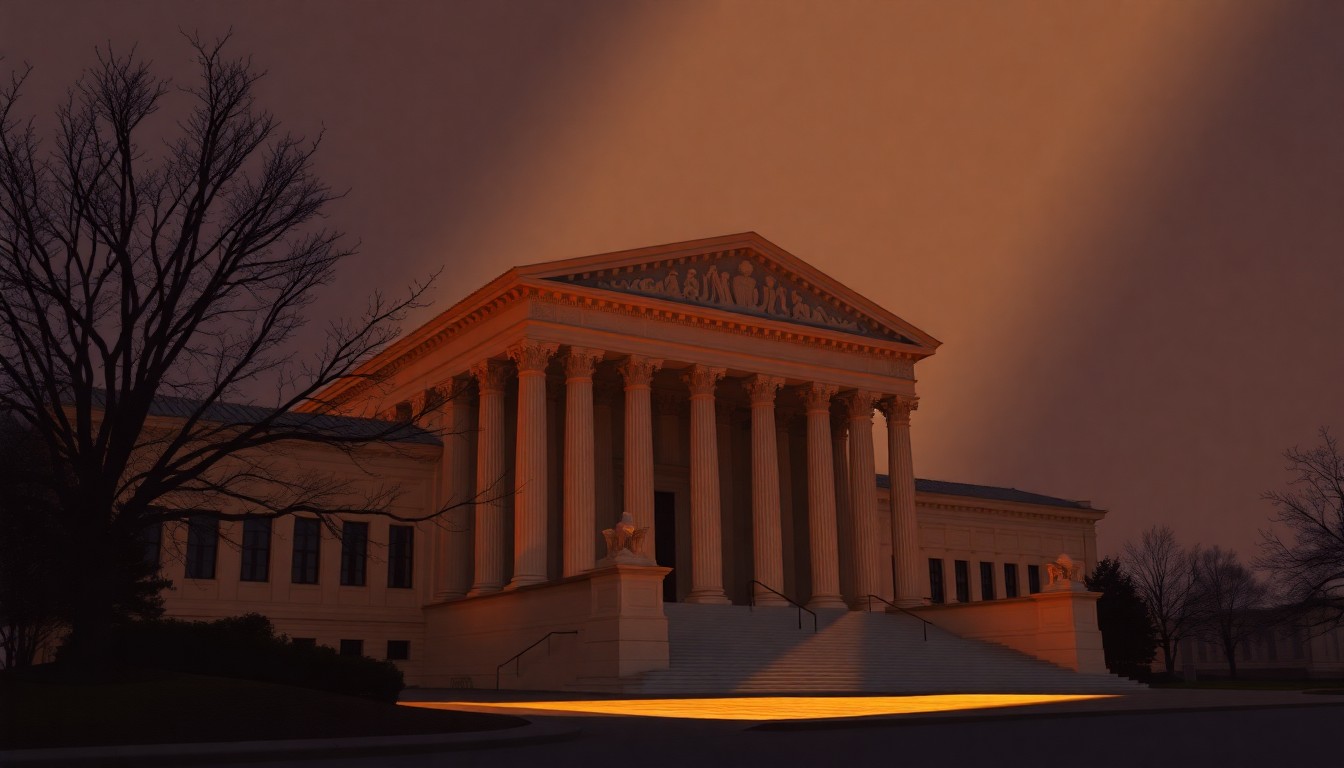 The Supreme Court's upcoming ruling on birthright citizenship could reshape the future of immigration in America.Seattle Today
The Supreme Court is set to hear oral arguments this week in a case that will determine the future of birthright citizenship in the United States. The case could have major implications for undocumented immigrants and their children born in the country.
Why it matters
Birthright citizenship, which grants automatic U.S. citizenship to anyone born on American soil, has been a cornerstone of U.S. immigration law for over a century. This case challenges that long-standing principle and could lead to significant changes in how citizenship is determined.
The details
The case before the Supreme Court centers on a challenge to the 14th Amendment's guarantee of birthright citizenship. Proponents of changing the law argue that it has been misinterpreted and that citizenship should not automatically extend to children of undocumented immigrants. Critics say such a move would be unconstitutional and undermine fundamental American values.
- The Supreme Court will hear oral arguments in the case this week.
- A decision is expected by the end of the Court's current term in June 2026.
The players
Supreme Court
The highest court in the United States, which will ultimately decide the fate of birthright citizenship.
What they’re saying
“Birthright citizenship is a cornerstone of American identity and values. Changing this law would be a devastating blow to immigrant communities.”
— Maria Hernandez, Immigration Advocate
“The 14th Amendment was never intended to grant automatic citizenship to children of those who enter the country illegally. It's time to re-examine this outdated policy.”
— Senator John Doe, Republican Senator
What’s next
The Supreme Court is expected to issue a ruling on the case by the end of its current term in June 2026. Depending on the outcome, it could lead to significant changes in U.S. immigration law and policy.
The takeaway
This case represents a major test for the future of birthright citizenship in America. The Supreme Court's decision could have far-reaching implications for undocumented immigrants and their families, as well as the broader debate over immigration reform.
Seattle top stories


Seattle events

Apr. 18, 2026
Seattle Mariners vs. Texas Rangers
Apr. 18, 2026
Trans (Indie) Music Showcase