- Today
- Holidays
- Birthdays
- Reminders
- Cities
- Atlanta
- Austin
- Baltimore
- Berwyn
- Beverly Hills
- Birmingham
- Boston
- Brooklyn
- Buffalo
- Charlotte
- Chicago
- Cincinnati
- Cleveland
- Columbus
- Dallas
- Denver
- Detroit
- Fort Worth
- Houston
- Indianapolis
- Knoxville
- Las Vegas
- Los Angeles
- Louisville
- Madison
- Memphis
- Miami
- Milwaukee
- Minneapolis
- Nashville
- New Orleans
- New York
- Omaha
- Orlando
- Philadelphia
- Phoenix
- Pittsburgh
- Portland
- Raleigh
- Richmond
- Rutherford
- Sacramento
- Salt Lake City
- San Antonio
- San Diego
- San Francisco
- San Jose
- Seattle
- Tampa
- Tucson
- Washington
Possible Super El Niño Raises Wildfire Concerns for Pacific Northwest
Forecasters warn that a strong El Niño pattern could bring warmer, drier conditions to Washington and Oregon this summer.
Apr. 15, 2026 at 10:09pm
Got story updates? Submit your updates here. ›
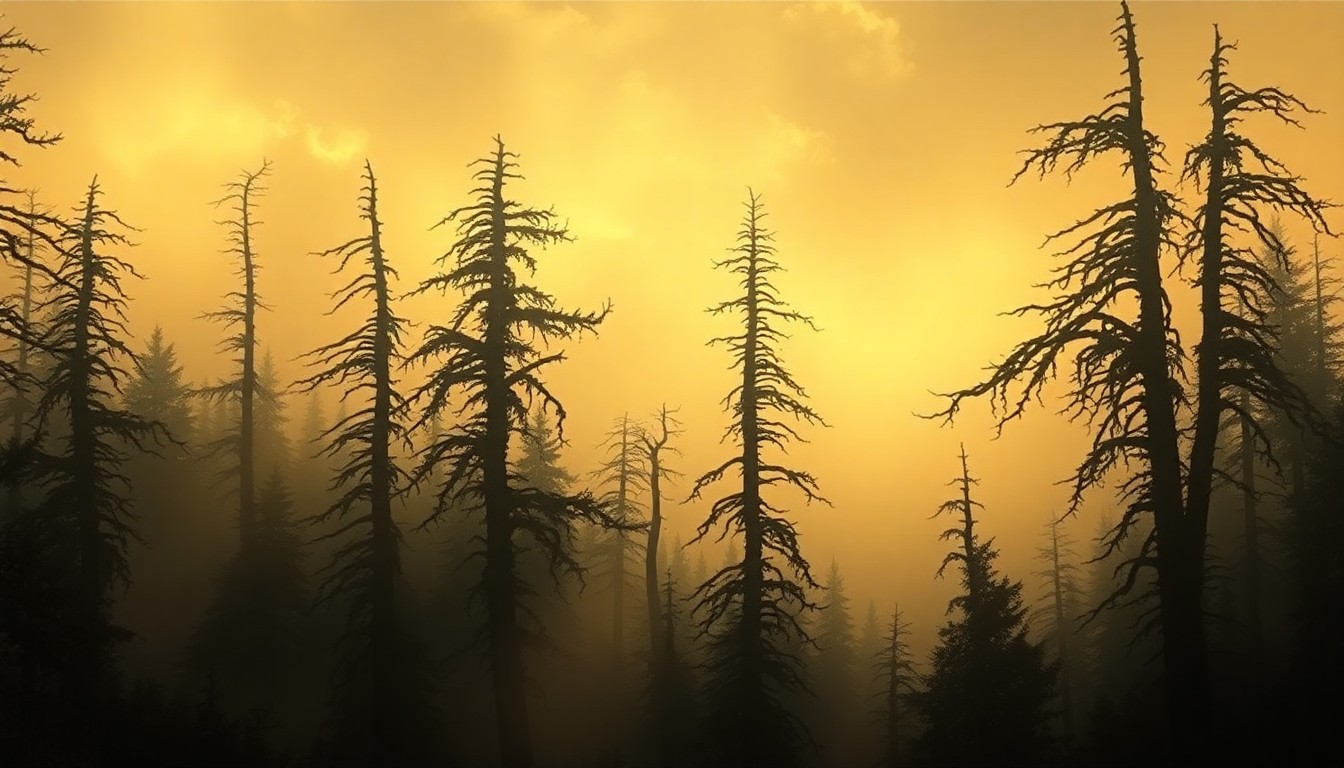 As the Pacific Northwest braces for a potentially severe wildfire season, the looming threat of a 'Super El Niño' event casts an ominous shadow over the region's forests and communities.Seattle Today
Meteorologists say there is a growing likelihood that an El Niño climate pattern will develop in the Pacific Ocean by summer 2026, with the potential for it to become an exceptionally strong or 'Super' El Niño event. This could have significant impacts on the Pacific Northwest, potentially leading to warmer and drier conditions that would increase the risk of wildfires, especially given the region's existing drought and low snowpack levels.
Why it matters
El Niño events can have far-reaching effects on weather patterns around the globe, and a strong or 'Super' El Niño could exacerbate existing drought conditions and wildfire risks in the Pacific Northwest. This is especially concerning given that the region is already dealing with multiple years of drought and below-average snowpack, which are key factors in determining summer fire danger.
The details
According to the NOAA Climate Prediction Center, there is a 61% chance that El Niño conditions will develop between May and July 2026, with the potential for it to continue through the end of the year. Some global climate models even suggest the possibility of an exceptionally strong 'Super El Niño' event, where tropical Pacific Ocean temperatures could rise more than 2°C (3.4°F) above average. A pattern like that would likely bring warmer and drier than normal conditions to the Pacific Northwest, leading to earlier snowmelt, reduced snowpack, and drier vegetation - all of which can significantly increase wildfire risk during the summer months.
- According to the latest NOAA outlook, there is a 61% chance of El Niño conditions developing between May and July 2026.
- El Niño conditions are likely to continue through the end of 2026, based on NOAA's projections.
The players
NOAA Climate Prediction Center
The federal agency responsible for monitoring and predicting climate patterns, including the El Niño-Southern Oscillation.
European Centre for Medium-Range Weather Forecasts
A leading global weather forecasting organization that has suggested the possibility of an exceptionally strong 'Super El Niño' event in 2026.
What’s next
Weather forecasters will continue to monitor the development of El Niño conditions in the Pacific Ocean over the coming months. If a strong or 'Super' El Niño does materialize, officials in the Pacific Northwest will need to prepare for the increased risk of wildfires by ensuring adequate firefighting resources, promoting fire prevention measures, and encouraging residents to be vigilant.
The takeaway
The potential for a strong El Niño event in 2026 raises serious concerns about the increased risk of wildfires in the Pacific Northwest, especially given the region's existing drought conditions and low snowpack levels. While spring rainfall could help mitigate some of the impacts, residents and officials will need to closely monitor the situation and take proactive steps to prepare for a potentially dangerous wildfire season.