- Today
- Holidays
- Birthdays
- Reminders
- Cities
- Atlanta
- Austin
- Baltimore
- Berwyn
- Beverly Hills
- Birmingham
- Boston
- Brooklyn
- Buffalo
- Charlotte
- Chicago
- Cincinnati
- Cleveland
- Columbus
- Dallas
- Denver
- Detroit
- Fort Worth
- Houston
- Indianapolis
- Knoxville
- Las Vegas
- Los Angeles
- Louisville
- Madison
- Memphis
- Miami
- Milwaukee
- Minneapolis
- Nashville
- New Orleans
- New York
- Omaha
- Orlando
- Philadelphia
- Phoenix
- Pittsburgh
- Portland
- Raleigh
- Richmond
- Rutherford
- Sacramento
- Salt Lake City
- San Antonio
- San Diego
- San Francisco
- San Jose
- Seattle
- Tampa
- Tucson
- Washington
Stents Can Ease Long-Term Symptoms Of Deep Vein Thrombosis, Trial Shows
Placing a stent to open and strengthen a damaged vein can reduce the severity of post-thrombotic syndrome, a painful complication of deep vein thrombosis.
Apr. 14, 2026 at 7:00pm
Got story updates? Submit your updates here. ›
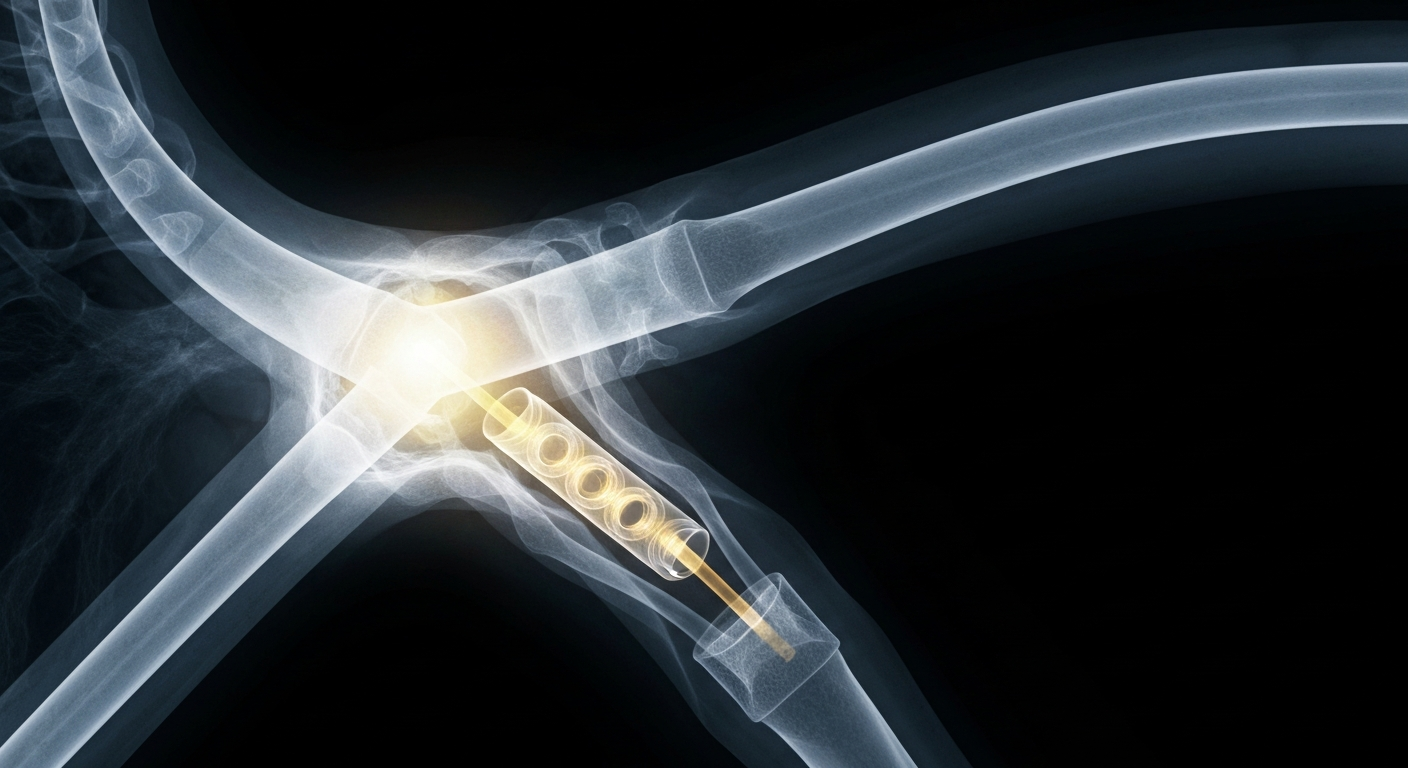 A new study shows that stents can help restore function and reduce long-term symptoms in veins damaged by deep vein thrombosis.Seattle Today
A new study has found that using stents to open and strengthen damaged veins can significantly reduce the long-term symptoms and disability caused by post-thrombotic syndrome, a common complication of deep vein thrombosis. The study showed that patients who received stents alongside standard treatment had much lower rates of severe post-thrombotic syndrome compared to those who received standard treatment alone.
Why it matters
Deep vein thrombosis is a serious condition that affects over 300,000 Americans each year and can lead to life-threatening complications like pulmonary embolism. Post-thrombotic syndrome, which occurs in up to 40% of deep vein thrombosis patients, causes long-term pain, swelling, and disability. This study provides an important new treatment option to help address this debilitating condition and improve quality of life for those affected.
The details
In the study, researchers recruited 225 patients whose deep vein thrombosis had resulted in blockage of a major vein in the pelvis. Patients were randomly selected to either receive a stent alongside standard treatment with compression and blood thinners, or standard treatment alone. At the start of the study, 93% of all patients met the criteria for severe post-thrombotic syndrome. After 6 months, only 40% of patients who received the stent still had severe symptoms, compared to 61% of those in the standard care group. Patients with stents also reported significantly improved overall quality of life.
- The study results were reported on April 13, 2026.
- The study was presented at the Society of Interventional Radiology's annual meeting in Toronto, Canada on April 13, 2026.
The players
Dr. Suresh Vedantham
A professor of radiology and surgery at the University of Washington in Seattle and the lead researcher on the study.
Sameer Parpia
An associate professor of oncology and health research methods, evidence and impact at McMaster University in Ontario, Canada and the senior researcher on the study.
What they’re saying
“These results provide a strong foundation for clinicians as we work to deliver safe, effective and durable treatment options for people living with the long-term consequences of deep vein thrombosis.”
— Dr. Suresh Vedantham, Lead Researcher
“Post-thrombotic syndrome can be life-altering, yet we've had very few effective treatment options. This trial provides clear evidence that targeted therapy can make a meaningful difference for patients living with this condition.”
— Sameer Parpia, Senior Researcher
What’s next
Researchers plan to further study the long-term outcomes and durability of stent treatment for post-thrombotic syndrome, as well as explore ways to optimize patient selection and care.
The takeaway
This study represents a significant breakthrough in the treatment of post-thrombotic syndrome, a debilitating complication of deep vein thrombosis that has long lacked effective therapies. By using stents to restore blood flow and reduce vein damage, doctors now have a new tool to help improve quality of life for the many patients suffering from this condition.
Seattle top stories



Seattle events

Apr. 15, 2026
SOLD OUT! Slomosa w/ The Mainliners
Apr. 15, 2026
Throwing Muses
Apr. 15, 2026
Dancing With The Stars: Live! - 2026 Tour