- Today
- Holidays
- Birthdays
- Reminders
- Cities
- Atlanta
- Austin
- Baltimore
- Berwyn
- Beverly Hills
- Birmingham
- Boston
- Brooklyn
- Buffalo
- Charlotte
- Chicago
- Cincinnati
- Cleveland
- Columbus
- Dallas
- Denver
- Detroit
- Fort Worth
- Houston
- Indianapolis
- Knoxville
- Las Vegas
- Los Angeles
- Louisville
- Madison
- Memphis
- Miami
- Milwaukee
- Minneapolis
- Nashville
- New Orleans
- New York
- Omaha
- Orlando
- Philadelphia
- Phoenix
- Pittsburgh
- Portland
- Raleigh
- Richmond
- Rutherford
- Sacramento
- Salt Lake City
- San Antonio
- San Diego
- San Francisco
- San Jose
- Seattle
- Tampa
- Tucson
- Washington
Redmond Today
By the People, for the People
Starcloud Raises $170M Series A at $1.1B Valuation
The fundraise highlights the overwhelming investor demand and Starcloud's unique position as a startup with flight heritage.
Mar. 30, 2026 at 12:39pm
Got story updates? Submit your updates here. ›
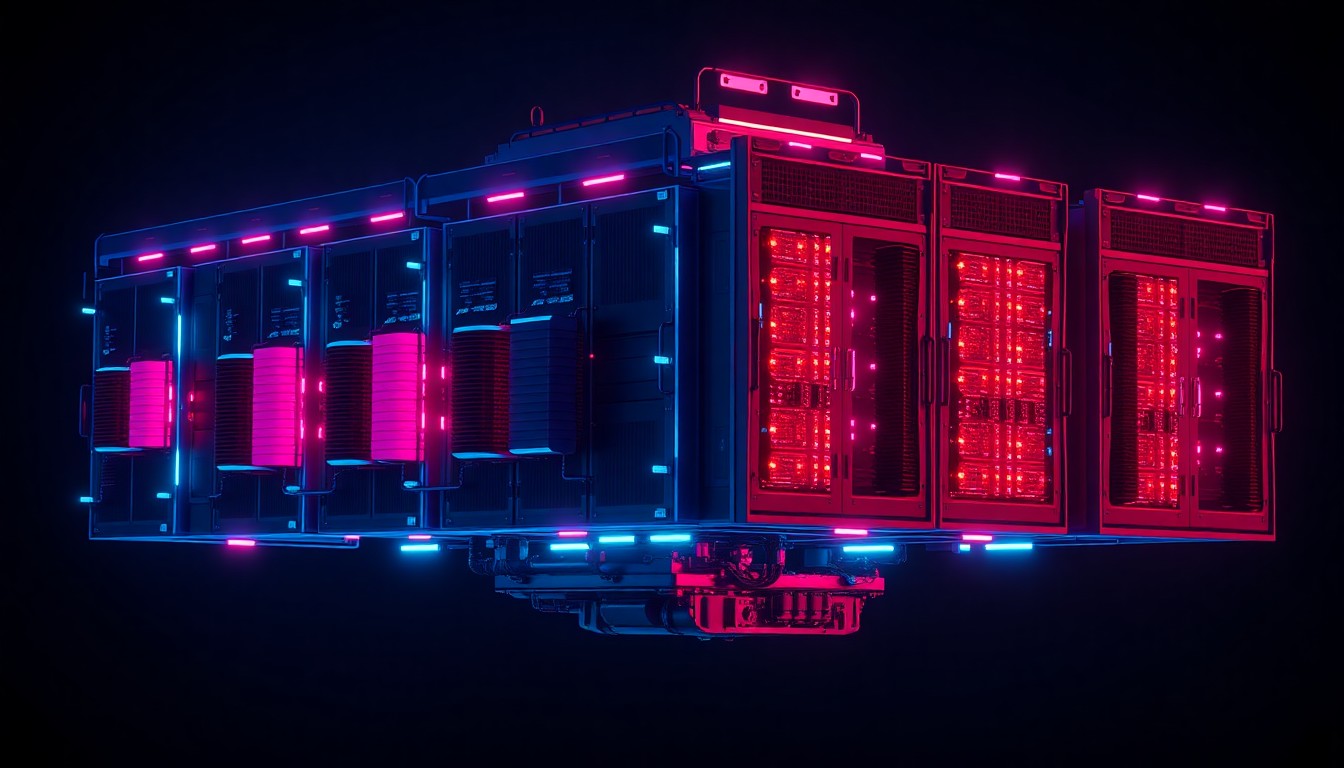 Starcloud's ambitious plans for a new generation of orbital data centers could unlock new possibilities for space-based computing and data processing.Redmond Today
Starcloud, a startup based in Redmond, Washington, has raised a $170 million Series A round at a $1.1 billion valuation. The round was led by Benchmark and EQT Ventures, with participation from several other institutional and angel investors. Starcloud is developing orbital data centers and has already launched its first spacecraft, Starcloud-1, to orbit.
Why it matters
The fundraise underscores the growing investor interest in orbital data center technologies, which could provide compute power for space-based data, enable data security and sovereignty, and potentially compete with terrestrial data centers. Starcloud's flight heritage also sets it apart from other startups in this emerging market.
The details
Starcloud's Series A round was split into two tranches, with Benchmark leading the initial round and Benchmark and EQT co-leading the extension tranche. The round also included participation from Macquarie Capital, NFX, Nebular, Y Combinator, Adjacent, Seven Seven Six, Fuse Ventures, Manhattan West, and Monolith Power Systems. Angel investors included Gen. Stephen Wilson, former Air Force vice-chief of staff, ex-Boeing CEO Dennis Muilenburg, and ex-Starbucks CEO Kevin Johnson. Starcloud's first spacecraft, Starcloud-1, launched in November 2026 on a SpaceX Falcon 9 rideshare mission, demonstrating the company's ability to operate AI-enabled technology in space. Starcloud's next spacecraft, Starcloud-2, is planned to generate 100 times more power than Starcloud-1 and feature a large deployable radiator, a Nvidia Blackwell chip, AWS Outposts hardware, and bitcoin mining ASICs.
- Starcloud was founded just over two years ago.
- Starcloud-1 launched in November 2026.
- Starcloud-2 is scheduled to launch later in 2027.
The players
Starcloud
A startup based in Redmond, Washington, that is developing orbital data centers.
Philip Johnston
The CEO of Starcloud.
Benchmark
A venture capital firm that led the initial round of Starcloud's Series A.
EQT Ventures
A venture capital firm that co-led the extension tranche of Starcloud's Series A.
Gen. Stephen Wilson
A former Air Force vice-chief of staff who participated as an angel investor in Starcloud's Series A.
What they’re saying
“At the current price, we could've easily taken three times the amount of capital. Because if you want exposure to this, which everybody does, who else are you going to back? I mean, you can't back Google, you can't back Amazon, and we're like a mile ahead of any other startup.”
— Philip Johnston, CEO, Starcloud
What’s next
Starcloud plans to use the new funds to scale up its ambitions by establishing a new manufacturing facility to produce Starcloud-3 spacecraft capable of deploying on future commercial flights of SpaceX's Starship, which is expected to begin by the end of 2028. The company also aims to grow its team from 13 to as many as 50 employees by the end of 2027 while bringing more of its production in-house to reduce costs.
The takeaway
Starcloud's successful Series A fundraise underscores the growing investor interest in orbital data center technologies, which could provide new opportunities for data processing, security, and sovereignty in space. The company's flight heritage also sets it apart from other startups in this emerging market, positioning it as a leader in the development of next-generation space-based computing infrastructure.