- Today
- Holidays
- Birthdays
- Reminders
- Cities
- Atlanta
- Austin
- Baltimore
- Berwyn
- Beverly Hills
- Birmingham
- Boston
- Brooklyn
- Buffalo
- Charlotte
- Chicago
- Cincinnati
- Cleveland
- Columbus
- Dallas
- Denver
- Detroit
- Fort Worth
- Houston
- Indianapolis
- Knoxville
- Las Vegas
- Los Angeles
- Louisville
- Madison
- Memphis
- Miami
- Milwaukee
- Minneapolis
- Nashville
- New Orleans
- New York
- Omaha
- Orlando
- Philadelphia
- Phoenix
- Pittsburgh
- Portland
- Raleigh
- Richmond
- Rutherford
- Sacramento
- Salt Lake City
- San Antonio
- San Diego
- San Francisco
- San Jose
- Seattle
- Tampa
- Tucson
- Washington
Port Townsend Today
By the People, for the People
Jim Whittaker, First American to Climb Everest, Dies at 97
Pioneering mountaineer was a close friend of Robert Kennedy and led disabled climbers up Mount Rainier.
Apr. 8, 2026 at 8:53pm
Got story updates? Submit your updates here. ›
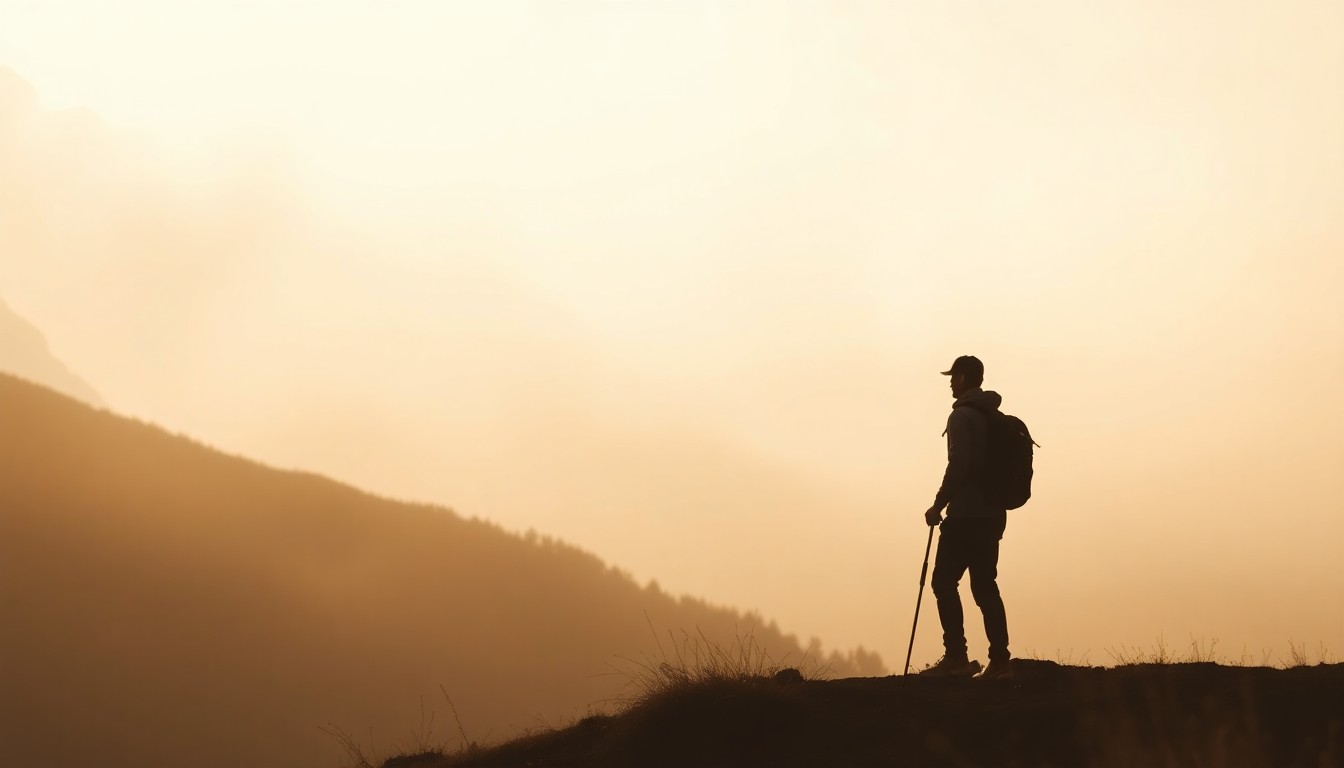
 The historic 1963 ascent of Mount Everest by pioneering American mountaineer Jim Whittaker is reimagined through a cubist lens, capturing the daring and spiritual essence of his landmark achievement.Port Townsend Today
Jim Whittaker, the first American to reach the summit of Mount Everest in 1963, has died at the age of 97 at his home in Port Townsend, Washington. Whittaker's historic Everest ascent made him a celebrity, and he later became close friends with Robert Kennedy, climbing a peak named after the presidential candidate. Whittaker also led a team of 10 disabled climbers up Mount Rainier, which he scaled over 100 times.
Why it matters
Whittaker's pioneering achievements on Everest and other peaks cemented his legacy as one of America's greatest mountaineers. His advocacy for disabled climbers and resistance to overly restrictive safety measures also highlighted his commitment to preserving the spirit of exploration and adventure in the sport.
The details
In 1963, Whittaker became the first American to reach the summit of Mount Everest, 10 years after Edmund Hillary and Tenzing Norgay's historic first ascent. Whittaker's Everest feat made him a celebrity, and he became close friends with Robert Kennedy, climbing a peak named after the presidential candidate. Later in his career, Whittaker led a team of 10 disabled climbers up 14,410-foot Mount Rainier, which he had scaled over 100 times.
- In 1963, Whittaker became the first American to reach the summit of Mount Everest.
- In 1981, Whittaker led 10 handicapped climbers up 14,410-foot Mount Rainier.
- Whittaker died on Tuesday, April 8, 2026, at his home in Port Townsend, Washington.
The players
Jim Whittaker
The first American to reach the summit of Mount Everest in 1963, and a pioneering mountaineer who later led a team of disabled climbers up Mount Rainier.
Robert Kennedy
A close friend of Whittaker's, with whom he climbed a 14,000-foot peak in Canada named after the 1968 presidential contender.
Edmund Hillary
The first person, along with Tenzing Norgay, to reach the summit of Mount Everest in 1953, 10 years before Whittaker's ascent.
Tenzing Norgay
The first person, along with Edmund Hillary, to reach the summit of Mount Everest in 1953, 10 years before Whittaker's ascent.
Lou Whittaker
Jim Whittaker's identical twin brother, who led the first American expedition to scale Mount Everest's north face.
What they’re saying
“Bobby Kennedy was 'one of the grittiest little guys you've ever seen,' the 6-foot-5 Whittaker once remarked. 'It's not how big you are but how tight you are wound that counts.'”
— Jim Whittaker
“'You're in nature, participating in God's creation … it's such a high, such a spiritual thing,' Whittaker said in a 1981 interview.”
— Jim Whittaker
“'The mountains are fair, but they really don't care,' Whitaker noted in 1987.”
— Jim Whittaker
“'If you take all of the risk out of life, you lose a lot. You're removing a personal liberty from somebody who wants to go and explore without having a safety net,' Whittaker said by cellphone from Idaho, where he was on a climbing trip. 'You want to go into the wild and enjoy nature and not be followed.'”
— Jim Whittaker
What’s next
Whittaker's legacy and impact on the sport of mountaineering will likely be celebrated in the coming weeks, with memorial events and tributes planned by climbing organizations and outdoor enthusiasts.
The takeaway
Jim Whittaker's pioneering ascent of Mount Everest and his lifelong passion for exploration and adventure in the mountains cemented his status as one of America's greatest climbers. His advocacy for disabled climbers and resistance to overly restrictive safety measures also highlighted his commitment to preserving the spirit of mountaineering.