- Today
- Holidays
- Birthdays
- Reminders
- Cities
- Atlanta
- Austin
- Baltimore
- Berwyn
- Beverly Hills
- Birmingham
- Boston
- Brooklyn
- Buffalo
- Charlotte
- Chicago
- Cincinnati
- Cleveland
- Columbus
- Dallas
- Denver
- Detroit
- Fort Worth
- Houston
- Indianapolis
- Knoxville
- Las Vegas
- Los Angeles
- Louisville
- Madison
- Memphis
- Miami
- Milwaukee
- Minneapolis
- Nashville
- New Orleans
- New York
- Omaha
- Orlando
- Philadelphia
- Phoenix
- Pittsburgh
- Portland
- Raleigh
- Richmond
- Rutherford
- Sacramento
- Salt Lake City
- San Antonio
- San Diego
- San Francisco
- San Jose
- Seattle
- Tampa
- Tucson
- Washington
Point Roberts Today
By the People, for the People
Rubber Duck Museum Relocates to Canada Amid Border Tensions
Quirky institution forced to move due to plummeting tourism and unsustainable business model
Apr. 12, 2026 at 1:04pm
Got story updates? Submit your updates here. ›
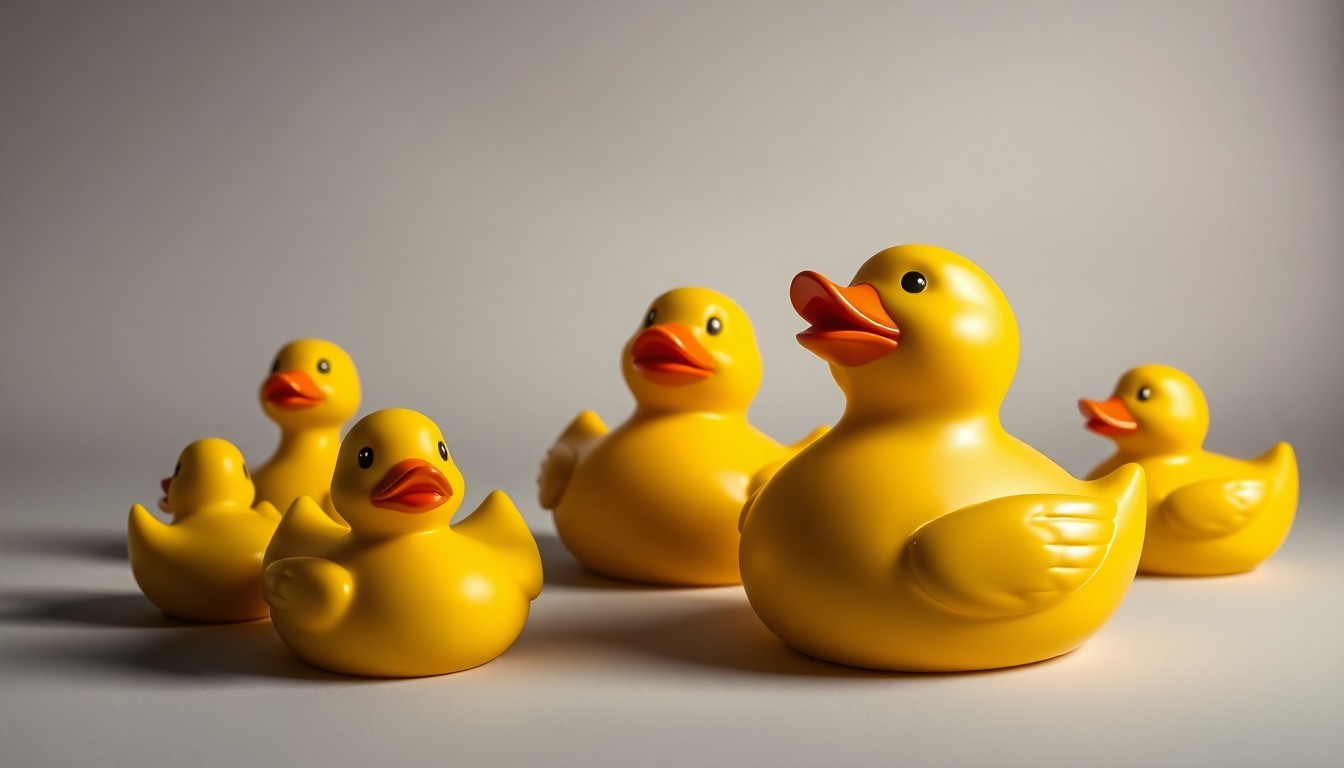 The relocation of the Rubber Duck Museum to Canada highlights the impact of political and economic forces on small businesses along the border.Point Roberts Today
The Rubber Duck Museum, a unique institution dedicated to the history and culture of rubber ducks, is relocating from its current home in Point Roberts, Washington to Tsawwassen Mills mall in British Columbia, Canada. The move comes after the museum experienced a staggering 60% decrease in sales and revenue due to a sharp decline in cross-border tourism, which owners Neil and Krystal King attribute to political tensions between the U.S. and Canada as well as increased tariffs on Chinese goods.
Why it matters
The Rubber Duck Museum's relocation highlights the broader impact that political decisions and economic policies can have on small businesses, especially those located in border regions. This story raises questions about the future of cross-border relations and the challenges faced by entrepreneurs navigating an increasingly uncertain geopolitical landscape.
The details
The Rubber Duck Museum, which opened about 1.5 years ago, was an instant hit, drawing visitors from around the world to see its collection of 'culturally significant' rubber ducks, including a rare German-made pull-toy duck dating back to 1911. However, the museum's success was short-lived. Political tensions, particularly after the election of former U.S. President Donald Trump and his controversial remarks about annexing Canada, led to a sharp decline in tourism. Additionally, increasing tariffs on Chinese goods made the museum's business model unsustainable.
- In October 2025, border crossings between British Columbia and Washington state plummeted, with southbound trips decreasing by 26% year over year.
- In September 2025, the number of Canadian residents returning from the U.S. dropped by over 30%.
The players
Neil and Krystal King
The owners of the Rubber Duck Museum, who have decided to relocate the institution from Point Roberts, Washington to Tsawwassen Mills mall in British Columbia, Canada.
Point Roberts, Washington
A unique exclave of the United States that is geographically connected to Canada but separated from the rest of the U.S. by water, where the Rubber Duck Museum was previously located.
Tsawwassen Mills mall
The new location for the Rubber Duck Museum in British Columbia, Canada, which is just a 15-minute drive from the museum's previous location in Point Roberts.
What they’re saying
“We love Canada, we love the culture, we love the people.”
— Krystal King, Co-owner of the Rubber Duck Museum
What’s next
The Kings will need to sort out their visas before they can begin working at the new museum location in Tsawwassen Mills mall in British Columbia.
The takeaway
The Rubber Duck Museum's relocation to Canada highlights the significant challenges that small businesses can face when navigating political tensions and economic policies, particularly those located in border regions. This story serves as a cautionary tale about the ripple effects that government decisions can have on the lives of ordinary people and the viability of local enterprises.