- Today
- Holidays
- Birthdays
- Reminders
- Cities
- Atlanta
- Austin
- Baltimore
- Berwyn
- Beverly Hills
- Birmingham
- Boston
- Brooklyn
- Buffalo
- Charlotte
- Chicago
- Cincinnati
- Cleveland
- Columbus
- Dallas
- Denver
- Detroit
- Fort Worth
- Houston
- Indianapolis
- Knoxville
- Las Vegas
- Los Angeles
- Louisville
- Madison
- Memphis
- Miami
- Milwaukee
- Minneapolis
- Nashville
- New Orleans
- New York
- Omaha
- Orlando
- Philadelphia
- Phoenix
- Pittsburgh
- Portland
- Raleigh
- Richmond
- Rutherford
- Sacramento
- Salt Lake City
- San Antonio
- San Diego
- San Francisco
- San Jose
- Seattle
- Tampa
- Tucson
- Washington
Naches Today
By the People, for the People
Warmer Winters Threaten Western U.S. Water Supply
New research finds water will move faster through landscapes, leading to negative impacts on summer water levels and quality.
Apr. 16, 2026 at 8:08am
Got story updates? Submit your updates here. ›
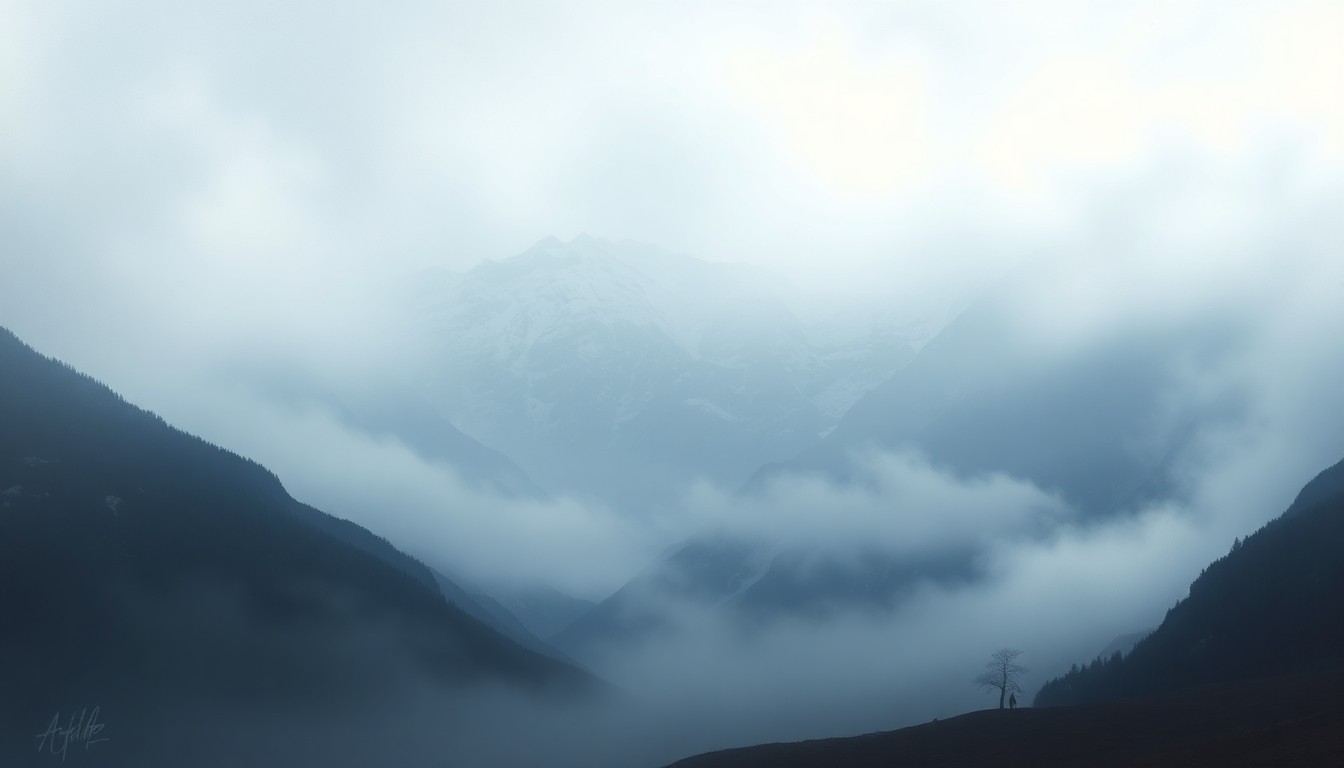 As climate change alters the delicate balance of snowpack and rainfall in the western U.S., new research warns of faster water transit times and dwindling summer water supplies.Naches Today
As future shifts in climate lead to more rain and less snow in the western United States, new research finds that water will move faster through a landscape, likely leading to negative impacts on summer water levels and water quality. The study focused on the Naches River basin in Washington, which is one of the most climate-sensitive basins within the Columbia River basin due to projected warming and snowpack declines.
Why it matters
One-sixth of the world's population relies on snowmelt water for drinking or agriculture, and in the United States west of Colorado, 53% of water runoff originates as snowmelt. Faster water transit times can negatively impact water quality and lead to less water in streams, rivers, lakes and reservoirs during the summer, which could have serious implications for aquatic species and water supply for drinking and agriculture.
The details
The research estimates that water transit times - the time between rain or snow falling on the landscape and leaving as streamflow - will be 18% faster on average in the late century. Faster water transit times have been shown to negatively influence water quality because during high-water events there are often spikes of contaminants that have been stored for a shorter period in shallow subsurface layers. Additionally, during low-water conditions, contaminants can be stored for a longer period of time. The seasonal shift to faster water transit times in the winter will also likely lead to less water in streams, rivers, lakes and reservoirs in the summer, which could have negative implications for aquatic species such as salmon and trout and less water for drinking and agriculture.
- This past winter, the western United States experienced similar snow drought conditions, with generally typical precipitation amounts but less snow because of warmer temperatures.
- Snowpack declines in the Naches River basin from 1991-2020 have already resulted in discharge peaking earlier in the spring.
- Other research has projected a 16% decrease in snow and a 25% increase in rain by 2036-2050 in the Naches River basin.
The players
Zach Butler
A postdoctoral scholar at Oregon State University and lead study author, who has a part-time job forecasting winter weather in Oregon for the site OpenSnow.
Stephen Good
An associate professor in the College of Agricultural Sciences and director of the interdisciplinary Water Graduate Resources Program at Oregon State University.
Mark Raleigh
An assistant professor in the College of Earth, Ocean, and Atmospheric Sciences at Oregon State University.
Catalina Segura
A professor in the College of Forestry at Oregon State University.
Naches River
The main tributary of the Yakima River in Washington, and one of the most climate-sensitive basins within the Columbia River basin due to projected warming and snowpack declines.
What they’re saying
“This winter has been exactly like what our paper had said the future will be like.”
— Zach Butler, Postdoctoral scholar at Oregon State University
What’s next
The research framework developed in this study can be used to predict historical and future water transit times in other parts of the western United States and the world, helping to inform future water management decisions.
The takeaway
This study highlights the critical importance of understanding how climate change is impacting the timing and movement of water resources in the western United States, which will have significant implications for water quality, aquatic ecosystems, and water supply for drinking and agriculture in the coming decades.