- Today
- Holidays
- Birthdays
- Reminders
- Cities
- Atlanta
- Austin
- Baltimore
- Berwyn
- Beverly Hills
- Birmingham
- Boston
- Brooklyn
- Buffalo
- Charlotte
- Chicago
- Cincinnati
- Cleveland
- Columbus
- Dallas
- Denver
- Detroit
- Fort Worth
- Houston
- Indianapolis
- Knoxville
- Las Vegas
- Los Angeles
- Louisville
- Madison
- Memphis
- Miami
- Milwaukee
- Minneapolis
- Nashville
- New Orleans
- New York
- Omaha
- Orlando
- Philadelphia
- Phoenix
- Pittsburgh
- Portland
- Raleigh
- Richmond
- Rutherford
- Sacramento
- Salt Lake City
- San Antonio
- San Diego
- San Francisco
- San Jose
- Seattle
- Tampa
- Tucson
- Washington
Court Upholds Premarital Agreement Waiving Elective Share of $17M Estate
Appeals court rejects claims of duress and fraud, finding husband voluntarily signed agreement
Apr. 13, 2026 at 1:00pm
Got story updates? Submit your updates here. ›
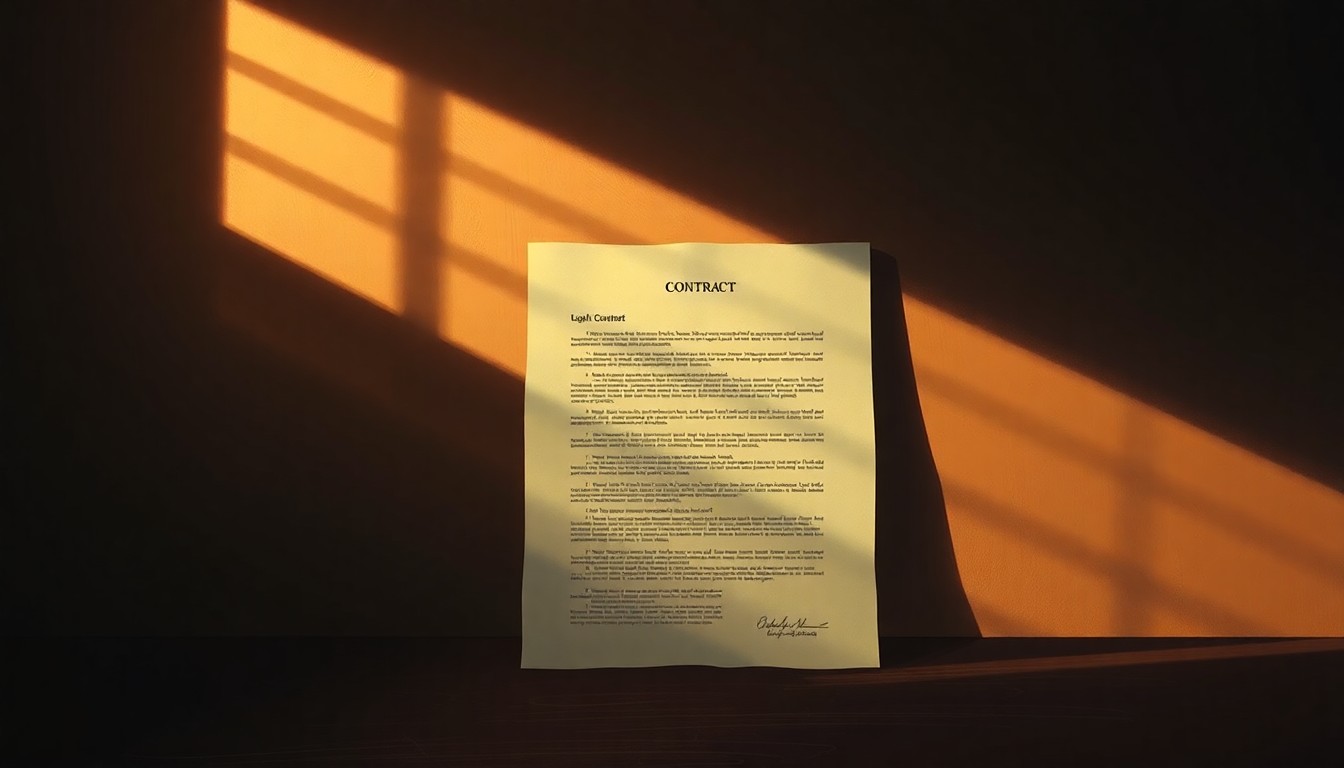 A premarital agreement's enforceability outlasts the marriage, as this case illustrates the lasting impact of carefully drafted legal documents.Virginia Beach Today
The Court of Appeals of Virginia has upheld a premarital agreement in which a husband waived his right to an elective share of his wife's $17 million estate, rejecting his claims of duress and fraud. The court found that the husband, who signed the agreement about six weeks before the wedding, had the opportunity to consult with an attorney and failed to sufficiently plead that his will was overborne, leading him to sign the agreement involuntarily.
Why it matters
This decision provides important guidance on the enforceability of premarital agreements, particularly in the context of spousal claims to an estate after one party's death. It highlights the need for careful drafting and review of such agreements to ensure they withstand legal scrutiny, even if the outcome appears inequitable to the surviving spouse.
The details
Prabhat Kumar Sinha signed a premarital agreement with his wife, Achla Kumar, approximately six weeks before their June 2000 marriage. The agreement stated that each party waived their right to an elective share and could make a will or estate plan without providing for the other spouse. Both parties also waived their right to disclosure of the other's assets. After Kumar died in 2023, Sinha learned her estate was worth $17 million and that he was not a beneficiary. Sinha sued to determine his elective share, arguing the agreement was void due to duress and fraud. The Norfolk Circuit Court dismissed his suit, and the Court of Appeals affirmed the decision, finding Sinha failed to sufficiently plead that his will was overborne or that he was fraudulently induced to sign the agreement.
- Sinha and Kumar married on June 2, 2000.
- They entered into the premarital agreement on April 24, 2000, about six weeks before the wedding.
- Kumar died on December 14, 2023.
The players
Prabhat Kumar Sinha
The husband who signed the premarital agreement and is seeking to claim an elective share of his late wife's $17 million estate.
Achla Kumar
The wife who died in 2023, leaving an estate valued at $17 million, to which her husband Sinha claims an elective share.
Amit Jain
The executor of Achla Kumar's estate, who joined the defense against Sinha's claim.
Doctors Without Borders
A charity that was a named beneficiary of Achla Kumar's estate and joined the defense against Sinha's claim.
Judge Steven C. Frucci
The judge who authored the Court of Appeals of Virginia's opinion upholding the premarital agreement.
What they’re saying
“Even combining the allegations of duress and fraud in the inducement, Sinha as a matter of law, failed to sufficiently plead that 'oppressive circumstances' overcame his will and caused him to sign the Agreement, including the Waiver.”
— Judge Steven C. Frucci, Judge, Court of Appeals of Virginia
“Although Sinha obviously regrets signing the Agreement, 'courts cannot relieve one of the consequences of a contract merely because it was unwise.'”
— Judge Steven C. Frucci, Judge, Court of Appeals of Virginia
What’s next
The judge in the case has already made a final ruling, upholding the premarital agreement and denying Sinha's claim to an elective share of his late wife's $17 million estate.
The takeaway
This decision highlights the importance of carefully reviewing premarital agreements, as the language used can have significant consequences not just in the event of a divorce, but also when it comes to spousal claims on an estate after one party's death. It shows that courts will generally enforce such agreements as long as they were voluntarily signed, even if the outcome appears inequitable to the surviving spouse.
Virginia Beach top stories



Virginia Beach events

Apr. 15, 2026
Jeff Allen
Apr. 17, 2026
Charlie Berens: The Lost and Found Tour
Apr. 17, 2026
United We Dance (Ages 18 & Up)