- Today
- Holidays
- Birthdays
- Reminders
- Cities
- Atlanta
- Austin
- Baltimore
- Berwyn
- Beverly Hills
- Birmingham
- Boston
- Brooklyn
- Buffalo
- Charlotte
- Chicago
- Cincinnati
- Cleveland
- Columbus
- Dallas
- Denver
- Detroit
- Fort Worth
- Houston
- Indianapolis
- Knoxville
- Las Vegas
- Los Angeles
- Louisville
- Madison
- Memphis
- Miami
- Milwaukee
- Minneapolis
- Nashville
- New Orleans
- New York
- Omaha
- Orlando
- Philadelphia
- Phoenix
- Pittsburgh
- Portland
- Raleigh
- Richmond
- Rutherford
- Sacramento
- Salt Lake City
- San Antonio
- San Diego
- San Francisco
- San Jose
- Seattle
- Tampa
- Tucson
- Washington
Trump Administration Seeks to Limit Public Service Loan Forgiveness Program
Democratic lawmakers launch effort to block proposed changes to PSLF eligibility
Apr. 15, 2026 at 9:05am
Got story updates? Submit your updates here. ›
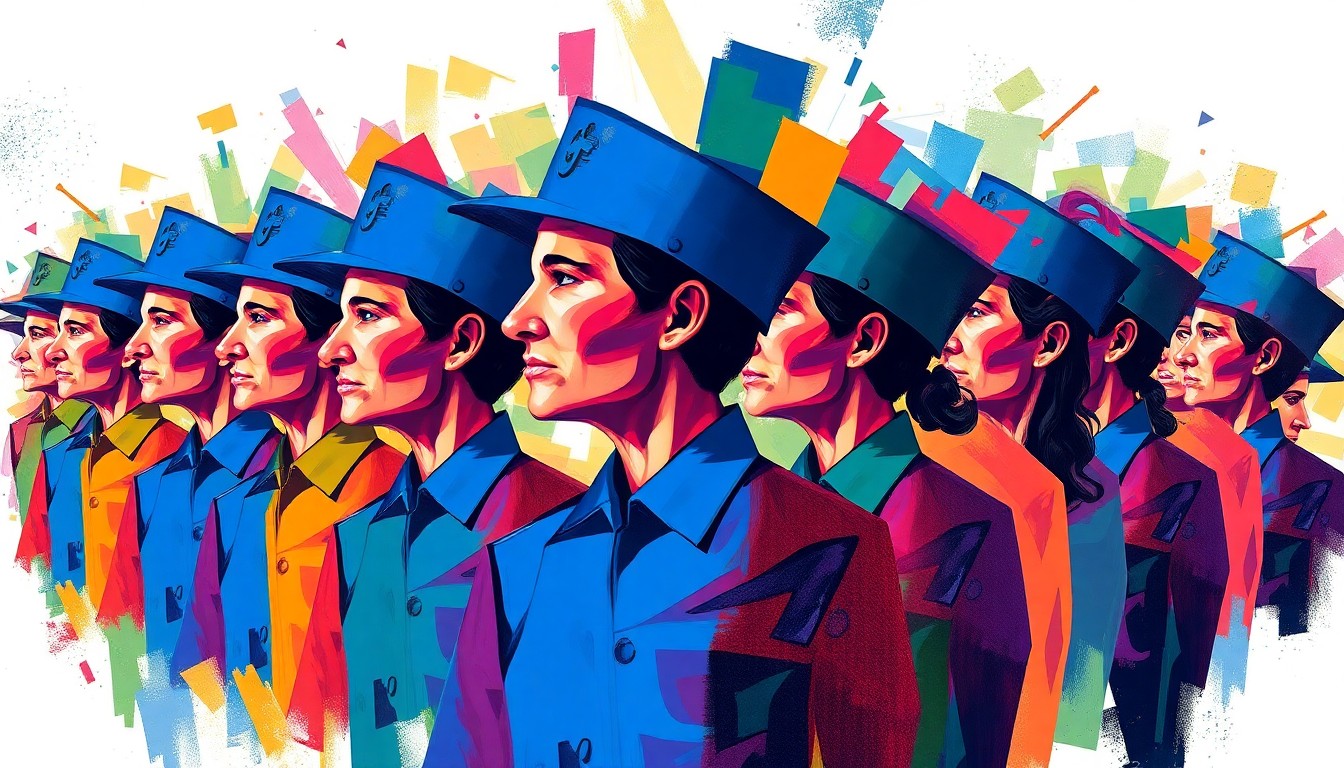 As the political battle over the Public Service Loan Forgiveness program intensifies, the future of student debt relief for government and nonprofit workers remains uncertain.Richmond Today
The Trump administration has finalized a rule that would redefine what constitutes "public service" for the purposes of the Public Service Loan Forgiveness (PSLF) program, potentially barring employers that engage in "substantial illegal activity" from the program. In response, a group of Democratic lawmakers led by Sen. Tim Kaine and Rep. Joe Courtney have announced a resolution under the Congressional Review Act to block the administration's proposed changes.
Why it matters
The PSLF program, signed into law in 2007, forgives student debt for government and nonprofit workers after 10 years of qualifying payments. The Trump administration's proposed changes could significantly limit the number of employers and workers eligible for the program, potentially harming recruitment efforts for public service roles.
The details
The Trump administration's rule would take effect on July 1 and redefine what constitutes "public service" for PSLF eligibility. Under the new rule, employers that engage in "substantial illegal activity" could be barred from the program, with the administration citing examples such as providing gender-affirming care or harboring illegal immigrants. If an employer is determined to have engaged in such activity, they would be notified and given an opportunity to rebut the findings before potentially being disqualified from PSLF.
- The PSLF program was signed into law by former President George W. Bush in 2007.
- The Trump administration finalized the rule to redefine PSLF eligibility at the end of 2025.
- The proposed rule changes are set to take effect on July 1.
The players
Donald Trump
The former President of the United States who initiated the proposed changes to the PSLF program.
Tim Kaine
A Democratic U.S. Senator leading the effort to block the Trump administration's proposed changes to PSLF.
Joe Courtney
A Democratic U.S. Representative leading the effort to block the Trump administration's proposed changes to PSLF.
Nicholas Kent
The Undersecretary of Education who previously stated that the new PSLF rule would "refocus the program to ensure federal benefits go to our Nation's teachers, first responders, and civil servants who tirelessly serve their communities."
What they’re saying
“With this new rule, the Trump Administration is refocusing the PSLF program to ensure federal benefits go to our Nation's teachers, first responders, and civil servants who tirelessly serve their communities.”
— Nicholas Kent, Undersecretary of Education
“The new rule would pick and choose which public servants are eligible for forgiveness based on the Trump Administration's ideological agenda, which clearly goes against Congressional intent.”
— Joe Courtney, U.S. Representative
What’s next
The resolution under the Congressional Review Act launched by Sen. Kaine and Rep. Courtney will now go through the legislative process, with the goal of blocking the Trump administration's proposed changes to the PSLF program before they can take effect on July 1.
The takeaway
The Trump administration's proposed changes to the PSLF program have sparked a fierce political battle, with Democratic lawmakers seeking to preserve the program's original intent of providing student debt relief for a wide range of public servants. The outcome of this fight could have significant implications for the future of the PSLF program and the ability of government and nonprofit organizations to attract and retain qualified workers.