- Today
- Holidays
- Birthdays
- Reminders
- Cities
- Atlanta
- Austin
- Baltimore
- Berwyn
- Beverly Hills
- Birmingham
- Boston
- Brooklyn
- Buffalo
- Charlotte
- Chicago
- Cincinnati
- Cleveland
- Columbus
- Dallas
- Denver
- Detroit
- Fort Worth
- Houston
- Indianapolis
- Knoxville
- Las Vegas
- Los Angeles
- Louisville
- Madison
- Memphis
- Miami
- Milwaukee
- Minneapolis
- Nashville
- New Orleans
- New York
- Omaha
- Orlando
- Philadelphia
- Phoenix
- Pittsburgh
- Portland
- Raleigh
- Richmond
- Rutherford
- Sacramento
- Salt Lake City
- San Antonio
- San Diego
- San Francisco
- San Jose
- Seattle
- Tampa
- Tucson
- Washington
Radford Today
By the People, for the People
Vietnam War Hero Col. John Ripley to Receive Medal of Honor
Ripley's heroic actions in 1972 to stop a North Vietnamese invasion will finally be recognized with the nation's highest military decoration.
Apr. 9, 2026 at 9:35pm
Got story updates? Submit your updates here. ›
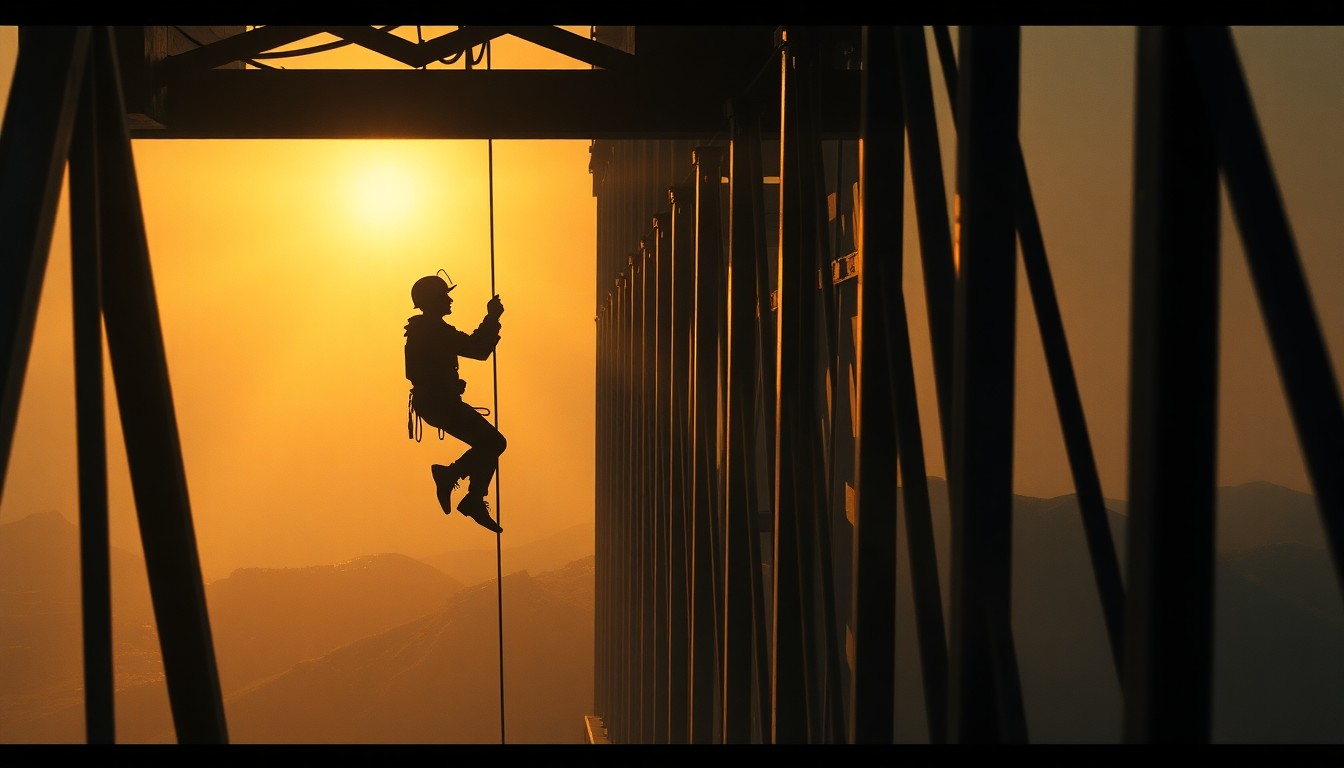 A heroic Marine officer's daring mission to stop an invasion by blowing up a strategic bridge in Vietnam is now being recognized with the nation's highest military honor.Radford Today
John Ripley, a native of Radford, Virginia, will soon receive the Medal of Honor for his actions during the Vietnam War in 1972. As a captain, Ripley nearly single-handedly prevented a North Vietnamese invasion by blowing up a strategic bridge under heavy enemy fire, an act of bravery that has been well-documented but only now is being honored with the nation's highest military decoration.
Why it matters
Ripley's heroic efforts in Vietnam have long been recognized as worthy of the Medal of Honor, the U.S. military's highest award for valor. However, the timing of his actions in 1972, as the U.S. was handing the war over to the South Vietnamese, meant the recognition was delayed. This award not only honors Ripley's courage but also shines a light on the sacrifices of American service members during the Vietnam War.
The details
In March 1972, as North Vietnamese forces prepared to invade across the Cua Viet River, Ripley, then a captain and advisor to the South Vietnamese 3rd Marine Battalion, was ordered to blow up the strategic bridge to stop the invasion. Ripley, a trained demolitions expert, climbed under the bridge and rigged 500 pounds of explosives across nine girders, all while under heavy enemy fire. He made multiple trips, crimping blasting caps with his teeth, to ensure the bridge would be impassable. Miraculously, Ripley survived the dangerous mission, and the bridge was destroyed, halting the North Vietnamese invasion.
- In the last days of March 1972, it became clear a major North Vietnamese invasion was imminent.
- On the orders of an officer who thought all was lost, Ripley was tasked with blowing up the bridge to stop the invasion.
- Ripley spent hours under the bridge, rigging explosives and crimping blasting caps with his teeth while under heavy enemy fire.
The players
Col. John Ripley
A native of Radford, Virginia, Ripley was a highly decorated Marine officer who served in the Vietnam War. In 1972, as a captain, he nearly single-handedly prevented a North Vietnamese invasion by blowing up a strategic bridge under heavy enemy fire, an act of bravery that is now being recognized with the Medal of Honor.
Tom Ripley
The son of Col. John Ripley, who has been working behind the scenes for years to get his father the recognition he deserves for his heroic actions in Vietnam.
Rep. Morgan Griffith
The Republican representative for Virginia's Ninth District, who carried a bill calling for the Medal of Honor for Ripley through Congress.
What they’re saying
“He put 500 pounds of explosives across nine girders, staggered them so that they would blow and twist the bridge between the caissons and make the bridge impassable.”
— Tom Ripley, Son of Col. John Ripley
“It means that you went not only above and beyond, but you went above the 'above and beyond.'”
— Rep. Morgan Griffith, U.S. Representative, Virginia's Ninth District
What’s next
The White House has announced that Col. John Ripley will be awarded the Medal of Honor in a ceremony in the coming weeks.
The takeaway
Ripley's heroic actions in 1972 to stop a North Vietnamese invasion, at great personal risk, exemplify the bravery and sacrifice of American service members during the Vietnam War. This long-overdue recognition of his valor serves as a powerful reminder of the importance of honoring those who put their lives on the line to defend their country.