- Today
- Holidays
- Birthdays
- Reminders
- Cities
- Atlanta
- Austin
- Baltimore
- Berwyn
- Beverly Hills
- Birmingham
- Boston
- Brooklyn
- Buffalo
- Charlotte
- Chicago
- Cincinnati
- Cleveland
- Columbus
- Dallas
- Denver
- Detroit
- Fort Worth
- Houston
- Indianapolis
- Knoxville
- Las Vegas
- Los Angeles
- Louisville
- Madison
- Memphis
- Miami
- Milwaukee
- Minneapolis
- Nashville
- New Orleans
- New York
- Omaha
- Orlando
- Philadelphia
- Phoenix
- Pittsburgh
- Portland
- Raleigh
- Richmond
- Rutherford
- Sacramento
- Salt Lake City
- San Antonio
- San Diego
- San Francisco
- San Jose
- Seattle
- Tampa
- Tucson
- Washington
U.S. Sends Thousands More Troops to Mideast as Trump Seeks to Squeeze Iran
The deployment includes sailors and Marines as the administration attempts to enforce a maritime blockade against the regime in Tehran.
Apr. 15, 2026 at 10:50am
Got story updates? Submit your updates here. ›
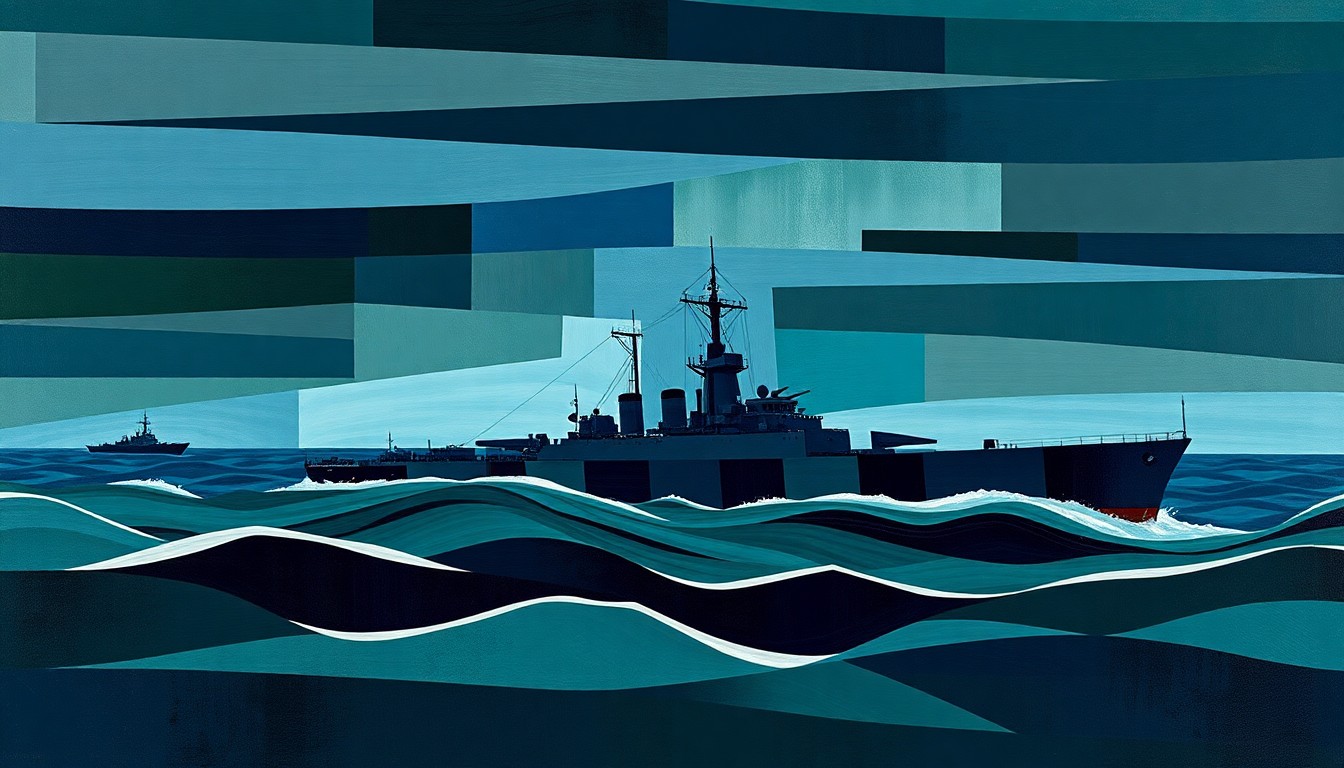 As tensions escalate in the Middle East, the U.S. deploys thousands of additional troops and naval forces to the region in a bid to pressure Iran.Norfolk Today
The Pentagon is sending thousands of additional troops into the Middle East in the coming days, as the Trump administration attempts to pressure Iran into a deal that could end the weeks-long conflict there. The forces moving into the region include about 6,000 troops aboard the aircraft carrier USS George H.W. Bush and several warships escorting it, as well as about 4,200 others with the Boxer Amphibious Ready Group and its embarked Marine Corps task force. The infusion of firepower appears likely to coalesce with warships already in the Middle East just as a two-week ceasefire is set to expire.
Why it matters
President Trump is attempting to press the Iranian regime into reopening the Strait of Hormuz, a vital passage for the shipment of Middle Eastern oil transiting the Persian Gulf, and end its nuclear program through economic pressure and the threat of military action. The arrival of additional American warships will put even greater pressure on Iran and provide military leaders with more options should negotiations fail.
The details
The Pentagon and U.S. Central Command have declined to comment on the troop movements, but current and former officials say the forces will join the estimated 50,000 personnel already involved in operations countering Iran. The three-ship Boxer Amphibious Ready Group, which includes an infantry battalion of more than 800 personnel, is also expected to arrive in the region by the end of the month. Armed boarding teams from the Navy SEALs, Marine Corps or Coast Guard are trained to seize vessels suspected of supporting Iran, though no such boardings had occurred as of Tuesday.
- The USS George H.W. Bush was close to the Horn of Africa on Tuesday and expected to make an unusual hook around the bottom of the continent on its way to the Middle East.
- The three-ship Boxer Amphibious Ready Group last week departed from Hawaii and is now a couple of weeks from the Middle East.
- The 31st Marine Expeditionary Unit arrived in the Middle East from Okinawa, Japan, late in March.
The players
Donald Trump
The President of the United States who is attempting to pressure Iran into a deal through economic sanctions and the threat of military action.
JD Vance
The Vice President of the United States who is leading the negotiations with Iran.
Adm. Brad Cooper
The head of U.S. Central Command, which oversees military operations in the region.
James Foggo
A retired Navy admiral and dean at the Center for Maritime Strategy in Northern Virginia.
Mick Mulroy
A retired Marine and CIA officer who served in the Pentagon during the first Trump administration.
What they’re saying
“The more tools you have got in your kit, the more diversity of options that you have.”
— James Foggo, Retired Navy admiral and dean at the Center for Maritime Strategy
“It's a lot of pressure, and if it's sustained over a period of time, it's going to really hurt the Iranian economy. At the same time, you have to admit, gas prices are going to continue to go up. So, that is a problem for us and our policymakers, as well, because people are not happy about it.”
— James Foggo, Retired Navy admiral and dean at the Center for Maritime Strategy
“It's not going to be without consequences. There will likely be casualties.”
— Mick Mulroy, Retired Marine and CIA officer
What’s next
The judge in the case will decide on Tuesday whether or not to allow Walker Reed Quinn out on bail.
The takeaway
This case highlights growing concerns in the community about repeat offenders released on bail, raising questions about bail reform, public safety on SF streets, and if any special laws to govern autonomous vehicles in residential and commercial areas.
Norfolk top stories


Norfolk events

Apr. 15, 2026
The Black Dahlia Murder w/ The Acacia Strain
Apr. 16, 2026
Virginia International Tattoo
Apr. 17, 2026
Virginia International Tattoo