- Today
- Holidays
- Birthdays
- Reminders
- Cities
- Atlanta
- Austin
- Baltimore
- Berwyn
- Beverly Hills
- Birmingham
- Boston
- Brooklyn
- Buffalo
- Charlotte
- Chicago
- Cincinnati
- Cleveland
- Columbus
- Dallas
- Denver
- Detroit
- Fort Worth
- Houston
- Indianapolis
- Knoxville
- Las Vegas
- Los Angeles
- Louisville
- Madison
- Memphis
- Miami
- Milwaukee
- Minneapolis
- Nashville
- New Orleans
- New York
- Omaha
- Orlando
- Philadelphia
- Phoenix
- Pittsburgh
- Portland
- Raleigh
- Richmond
- Rutherford
- Sacramento
- Salt Lake City
- San Antonio
- San Diego
- San Francisco
- San Jose
- Seattle
- Tampa
- Tucson
- Washington
Culpeper Today
By the People, for the People
Fluvanna Supervisors Oppose Valley Link Transmission Line
Concerns mount over impacts on property values, environment, and rural character
Apr. 10, 2026 at 2:50am
Got story updates? Submit your updates here. ›
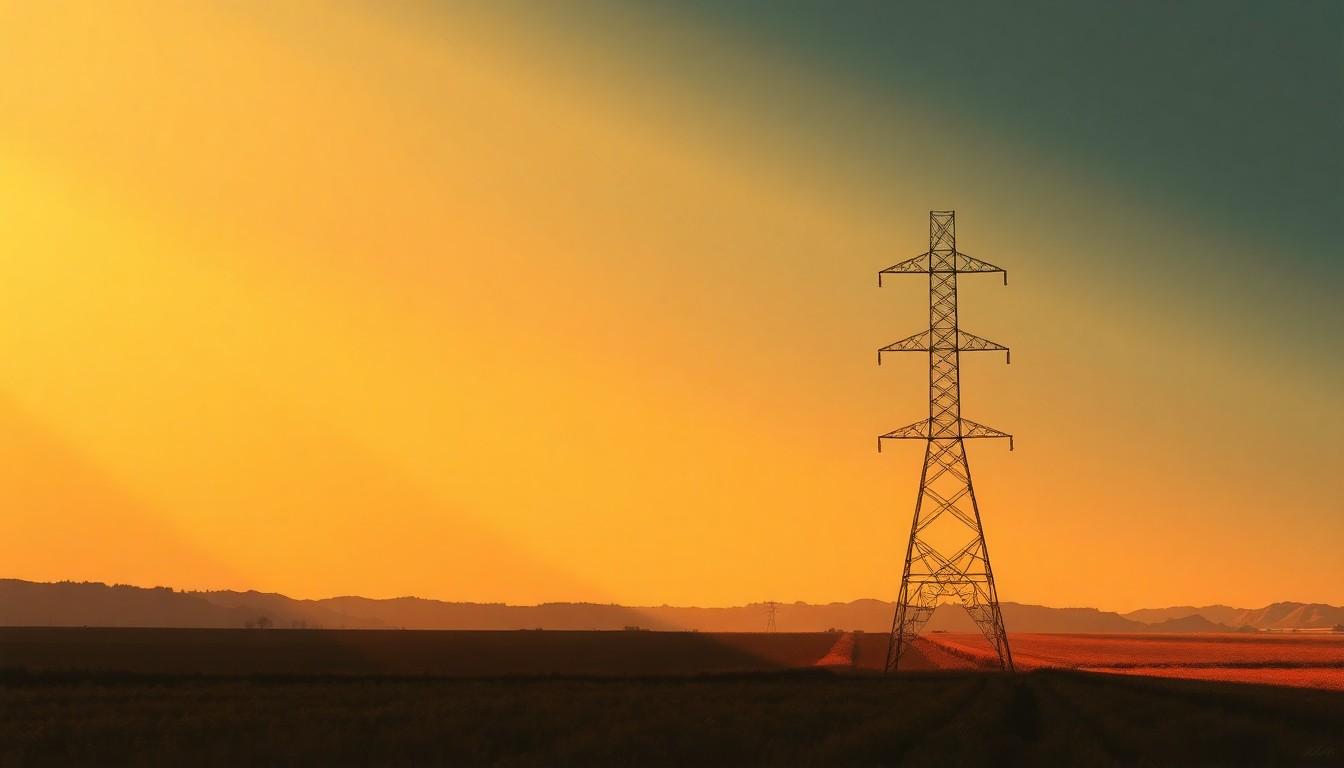 A serene yet ominous portrait of the proposed transmission line's impact on Fluvanna County's rural character.Culpeper Today
The Fluvanna County Board of Supervisors voted unanimously to oppose a proposed 115-mile high-voltage transmission line project called Valley Link, citing concerns over property values, environmental damage, and the long-term impact on the county's rural character. The 765-kilovolt line is designed to move large volumes of electricity across the region to meet growing demand, but county officials say the project could affect between 76 and 120 parcels in Fluvanna alone and have significant negative impacts.
Why it matters
The Valley Link project is part of a larger effort to strengthen the electric grid across the Mid-Atlantic, allowing power generated in the Ohio River Valley to be transmitted east to areas of high demand, including Northern Virginia. However, Fluvanna County officials argue the benefits do not outweigh the local costs, as the proposed line would require a 200-foot-wide cleared right-of-way and towers up to 160 feet tall, cutting through previously undisturbed areas and private property.
The details
The Fluvanna County Board of Supervisors voted unanimously on April 1 to oppose the Valley Link transmission line project, which would span approximately 115 miles from Campbell County to Culpeper County, passing through Fluvanna and eight other localities. Representatives from Dominion Energy described the project as a necessary response to unprecedented growth in electricity use, driven largely by data centers, population increases, and electrification trends. However, county officials said the project could affect between 76 and 120 parcels in Fluvanna alone, with potential impacts on property values ranging widely depending on proximity and land use. Supervisors also raised concerns about noise, visual impacts, and potential health effects.
- The Fluvanna County Board of Supervisors voted unanimously on Wednesday, April 1 to oppose the proposed transmission line project.
- The State Corporation Commission will evaluate the proposal through a formal regulatory process expected to begin later this year, with a decision likely in 2027.
- If approved, the line could be operational by 2029.
The players
Fluvanna County Board of Supervisors
The governing body of Fluvanna County, Virginia that voted unanimously to oppose the Valley Link transmission line project.
Valley Link
The company proposing the 115-mile high-voltage transmission line project that would pass through Fluvanna County and eight other localities.
Dominion Energy
The energy company that represented the Valley Link project and described it as a necessary response to growing electricity demand in the region.
Virginia State Corporation Commission
The state agency that will evaluate the Valley Link proposal through a formal regulatory process and make the final decision on whether to approve the project.
Chris Fairchild
A Fluvanna County Supervisor who expressed absolute opposition to the project, citing the cumulative effects on residents and the county's landscape.
What they’re saying
“I'm absolutely in opposition. I'm absolutely in opposition.”
— Chris Fairchild, Fluvanna County Supervisor (Cunningham District)
“This is the fastest pace of load growth we've seen in decades. Demand could double by 2035.”
— Valley Link Project Representatives
“I do wish we had more of a formal say in the matter.”
— Mike Goad, Fluvanna County Supervisor (Fork Union District)
“Something that was said earlier was that they're interested in maintaining the electric grid integrity. I'm interested in maintaining the integrity of Fluvanna County.”
— Amy Williams, Fluvanna County Resident
What’s next
The State Corporation Commission will evaluate the Valley Link proposal through a formal regulatory process expected to begin later this year, with a decision likely in 2027. If approved, the line could be operational by 2029. Several of the counties affected by the Valley Link plan intend to meet to coordinate their actions as the project moves through the planning process.
The takeaway
This case highlights the tension between the need for regional infrastructure upgrades to meet growing electricity demand and the local concerns over the environmental and community impacts of such large-scale projects. Fluvanna County officials are firmly opposed to the Valley Link transmission line, arguing the benefits do not outweigh the significant costs to their rural character and quality of life.