- Today
- Holidays
- Birthdays
- Reminders
- Cities
- Atlanta
- Austin
- Baltimore
- Berwyn
- Beverly Hills
- Birmingham
- Boston
- Brooklyn
- Buffalo
- Charlotte
- Chicago
- Cincinnati
- Cleveland
- Columbus
- Dallas
- Denver
- Detroit
- Fort Worth
- Houston
- Indianapolis
- Knoxville
- Las Vegas
- Los Angeles
- Louisville
- Madison
- Memphis
- Miami
- Milwaukee
- Minneapolis
- Nashville
- New Orleans
- New York
- Omaha
- Orlando
- Philadelphia
- Phoenix
- Pittsburgh
- Portland
- Raleigh
- Richmond
- Rutherford
- Sacramento
- Salt Lake City
- San Antonio
- San Diego
- San Francisco
- San Jose
- Seattle
- Tampa
- Tucson
- Washington
Researchers Unravel How Brain Fluid Impacts Glioblastoma Spread
New NIH-funded studies at Virginia Tech aim to leverage fluid dynamics to improve glioblastoma treatment and outcomes.
Apr. 12, 2026 at 1:05pm
Got story updates? Submit your updates here. ›
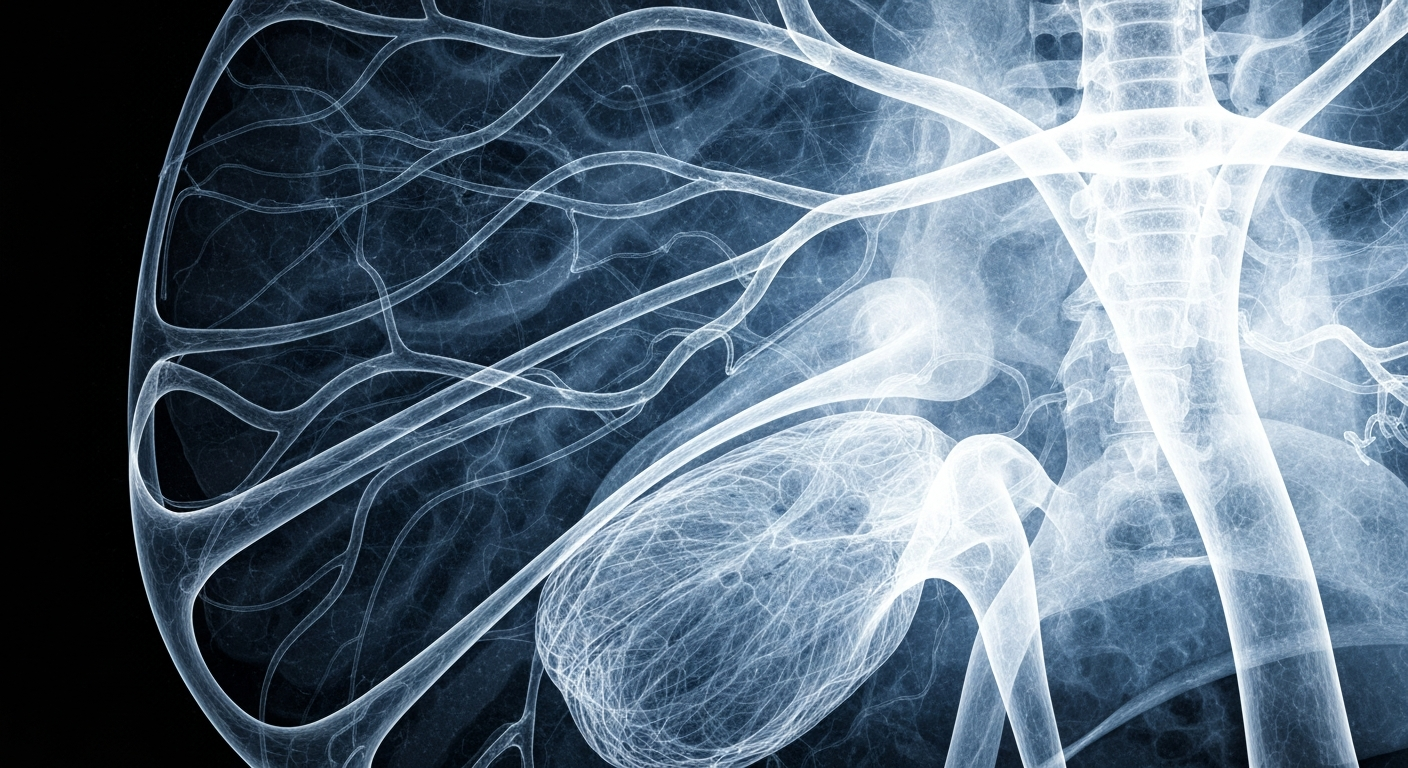 Groundbreaking research into the fluid microenvironment surrounding glioblastoma tumors offers new hope in the fight against this devastating brain cancer.Blacksburg Today
Researchers at Virginia Tech's Fralin Biomedical Research Institute have secured two major NIH grants to study how the movement of fluid around glioblastoma tumor cells fuels the cancer's spread into healthy brain tissue. The projects focus on identifying how interstitial fluid facilitates the migration of glioblastoma cells, a key factor in the cancer's recurrence after standard treatments. The researchers are exploring the use of focused ultrasound to temporarily disrupt the blood-brain barrier and enhance drug delivery, as well as developing advanced computational models to simulate fluid flow and its impact on tumor growth.
Why it matters
Glioblastoma remains one of the deadliest forms of cancer, with few effective treatments available. Understanding how the fluid microenvironment surrounding tumor cells enables their migration and spread is crucial for developing more targeted and personalized therapies. This research offers a promising new approach to tackling this devastating disease.
The details
The first NIH grant, totaling $2.6 million over five years, will study how fluid flow dynamics change in response to treatment, and explore the potential of focused ultrasound to temporarily disrupt the blood-brain barrier and improve drug delivery to the tumor. The second grant, worth $411,000 over two years, will support the development of an innovative model that simulates the fluid-filled spaces surrounding blood vessels in the brain, allowing researchers to study how these fluid pathways contribute to tumor growth and spread.
- The first NIH grant is a five-year award that began in 2026.
- The second NIH grant is a two-year award that began in 2026.
The players
Dr. Jennifer Munson
A leading cancer researcher at Virginia Tech's Fralin Biomedical Research Institute, who secured the two NIH grants to study how fluid dynamics impact glioblastoma.
Dr. Malisa Sarntinoranont
A professor of mechanical engineering at the University of Florida, who is collaborating with Dr. Munson on the research.
Dr. Cheng-Chia "Fred" Wu
A radiation oncologist and cancer researcher at the Fralin Biomedical Research Institute, who is employing focused ultrasound to temporarily open the blood-brain barrier and facilitate drug delivery.
Dr. Eli Vlaisavljevich
An associate professor of biomedical engineering and mechanics at Virginia Tech, who is working with the team to refine and improve the precision of the focused ultrasound system.
Dr. Adam Maxwell
A research associate professor of biomedical engineering and mechanics at Virginia Tech, who is also collaborating on the focused ultrasound research.
What they’re saying
“There are no effective therapies for glioblastoma... New approaches to understanding how this cancer invades tissues and recurs, and better treatments and targeted methods, are desperately needed.”
— Dr. Jennifer Munson, Cancer Researcher, Fralin Biomedical Research Institute
“This coupling of precision identification with precision equipment is a major translational leap for our research. By the end of our project, we expect to have a tool set and understanding of how fluid flow changes and predicts therapeutic responses and progression in this devastating and treatment-resistant cancer.”
— Dr. Jennifer Munson, Cancer Researcher, Fralin Biomedical Research Institute
What’s next
The research team plans to collaborate with Dr. Russell Rockne at the City of Hope comprehensive cancer care center in California to develop mathematical models that predict tumor progression and drug distribution based on changes in fluid flow.
The takeaway
This groundbreaking research offers new hope in the fight against glioblastoma by focusing on the critical role of fluid dynamics in tumor growth and spread. By leveraging advanced imaging, computational modeling, and targeted therapies like focused ultrasound, the researchers aim to develop more effective and personalized treatments for this devastating form of brain cancer.