- Today
- Holidays
- Birthdays
- Reminders
- Cities
- Atlanta
- Austin
- Baltimore
- Berwyn
- Beverly Hills
- Birmingham
- Boston
- Brooklyn
- Buffalo
- Charlotte
- Chicago
- Cincinnati
- Cleveland
- Columbus
- Dallas
- Denver
- Detroit
- Fort Worth
- Houston
- Indianapolis
- Knoxville
- Las Vegas
- Los Angeles
- Louisville
- Madison
- Memphis
- Miami
- Milwaukee
- Minneapolis
- Nashville
- New Orleans
- New York
- Omaha
- Orlando
- Philadelphia
- Phoenix
- Pittsburgh
- Portland
- Raleigh
- Richmond
- Rutherford
- Sacramento
- Salt Lake City
- San Antonio
- San Diego
- San Francisco
- San Jose
- Seattle
- Tampa
- Tucson
- Washington
Feds plan major water release from Flaming Gorge to prop up Lake Powell
The Bureau of Reclamation will release up to 1 million acre-feet of water to prevent Lake Powell from dropping below a critical threshold.
Apr. 18, 2026 at 4:51pm
Got story updates? Submit your updates here. ›
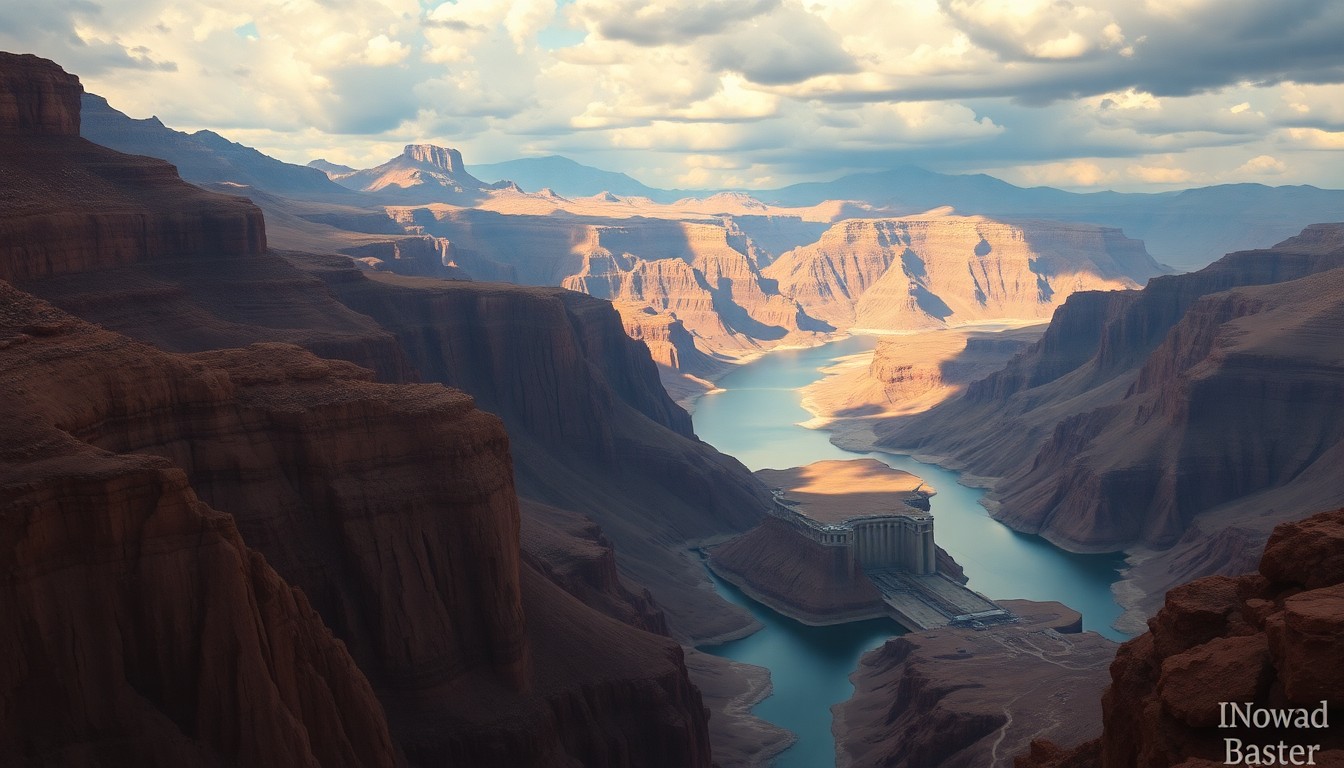 The Colorado River basin, once a vibrant lifeline for the arid West, now faces an uncertain future as prolonged drought and overallocation threaten its delicate ecological balance.Salt Lake City Today
Federal officials have announced plans to release a massive amount of water from Flaming Gorge Reservoir to Lake Powell in an effort to prop up water levels and prevent the Glen Canyon Dam from ceasing power generation. The Bureau of Reclamation expects the strategy to boost Lake Powell's water level by 54 feet, keeping it just above a critical threshold that could force the dam to shut down.
Why it matters
The Colorado River system is in a state of crisis due to prolonged drought conditions and reduced stream flows. This water release from Flaming Gorge has major implications for the popular recreation area, as water levels are expected to drop by 35 feet over the next year, impacting tour operators and anglers. Failure to reach a new water-sharing deal among the seven Colorado River states could lead to federal officials imposing a management plan that none of the states will be happy with.
The details
The Bureau of Reclamation plans to release 660,000 to 1 million acre-feet of water from Flaming Gorge Reservoir to Lake Powell from April 2026 to April 2027. This will be combined with reduced outflows from Lake Powell. Federal water managers expect this strategy to boost Lake Powell's water level by 54 feet, keeping it just above the 'minimum power pool' threshold that could force the Glen Canyon Dam to cease power generation.
- The water release from Flaming Gorge Reservoir will take place from April 2026 to April 2027.
- The Bureau of Reclamation predicted the 'minimum power pool' could occur at Lake Powell by December 2026 if action wasn't taken.
The players
Bureau of Reclamation
The federal agency responsible for managing water resources in the western United States, including the Colorado River system.
Doug Burgum
The Interior Secretary who stated that the agency is coordinating with the basin states, tribes, Mexico, and other stakeholders to address the complex challenges created by the drought conditions.
Flaming Gorge Reservoir
A popular recreation area on the Utah-Wyoming state line that will be impacted by the water release, with water levels expected to drop by 35 feet over the next year.
Glen Canyon Dam
The dam that generates power from Lake Powell, which could be forced to cease power generation if the water level drops below a critical threshold.
Colorado River
The river system that supplies water to 40 million people in the arid West, which is currently overallocated and in a state of crisis due to drought conditions.
What they’re saying
“I am grateful for the Governors and their teams working diligently to find a solution to the complex challenges created by these unprecedented drought conditions which require immediate action.”
— Doug Burgum, Interior Secretary
What’s next
The seven Colorado River states continue tense discussions over a new water-sharing plan. If they can't agree this year, federal officials may impose a management plan that none of the states will be happy with.
The takeaway
The water release from Flaming Gorge Reservoir is a critical short-term measure to prop up water levels in Lake Powell and prevent the Glen Canyon Dam from ceasing power generation. However, the long-term solution lies in the ability of the seven Colorado River states to reach a new water-sharing agreement that addresses the ongoing drought and overallocation of the river system.
Salt Lake City top stories



Salt Lake City events

Apr. 19, 2026
Utah Utes Baseball vs. Texas Tech Red Raiders Baseball
Apr. 19, 2026
Phantom Of The Opera (Touring)
Apr. 19, 2026
Phantom Of The Opera (Touring)