- Today
- Holidays
- Birthdays
- Reminders
- Cities
- Atlanta
- Austin
- Baltimore
- Berwyn
- Beverly Hills
- Birmingham
- Boston
- Brooklyn
- Buffalo
- Charlotte
- Chicago
- Cincinnati
- Cleveland
- Columbus
- Dallas
- Denver
- Detroit
- Fort Worth
- Houston
- Indianapolis
- Knoxville
- Las Vegas
- Los Angeles
- Louisville
- Madison
- Memphis
- Miami
- Milwaukee
- Minneapolis
- Nashville
- New Orleans
- New York
- Omaha
- Orlando
- Philadelphia
- Phoenix
- Pittsburgh
- Portland
- Raleigh
- Richmond
- Rutherford
- Sacramento
- Salt Lake City
- San Antonio
- San Diego
- San Francisco
- San Jose
- Seattle
- Tampa
- Tucson
- Washington
NASA Study Finds Small Galaxies Lack Supermassive Black Holes
Chandra X-ray data reveals most dwarf galaxies don't host the cosmic behemoths found in larger galaxies.
Apr. 13, 2026 at 12:38am
Got story updates? Submit your updates here. ›
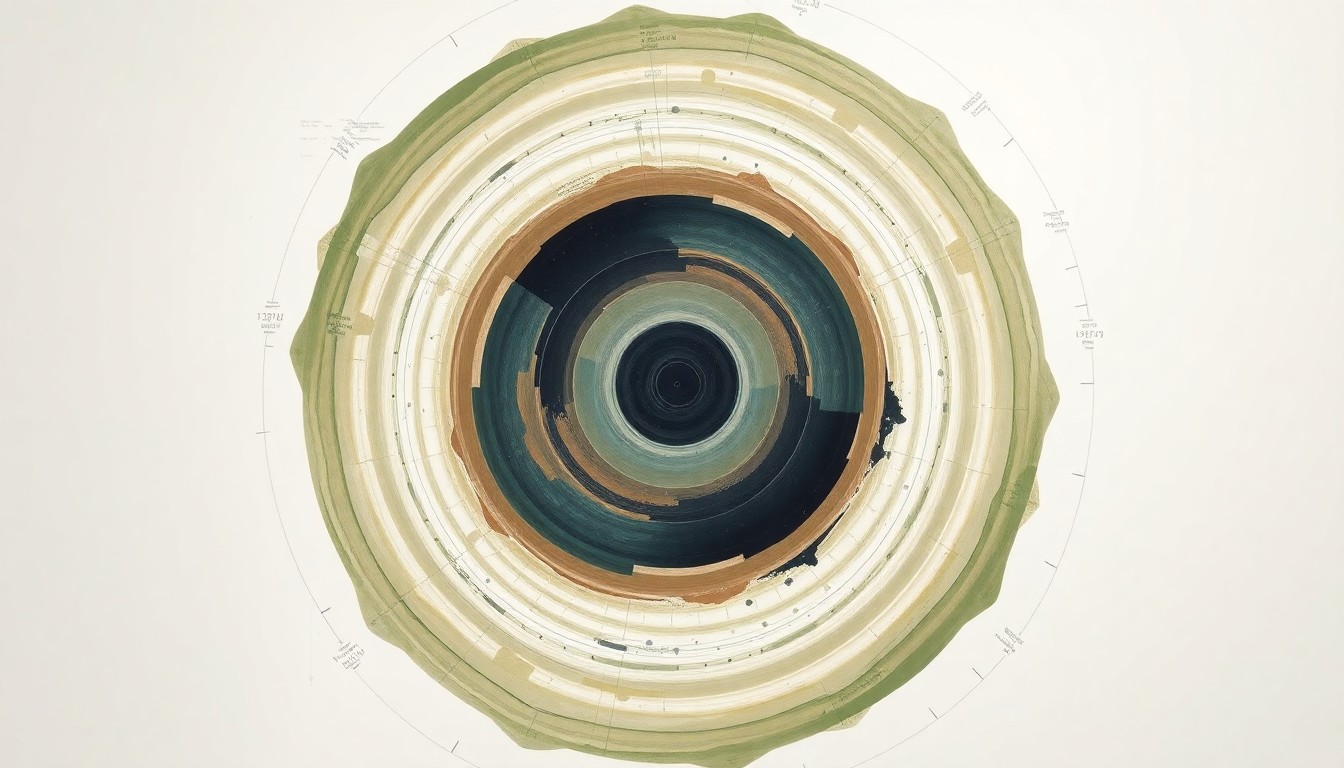 A conceptual illustration depicting the surprising finding that most small, dwarf galaxies lack the supermassive black holes commonly found at the centers of larger galaxies.Salt Lake City Today
A new study using NASA's Chandra X-ray Observatory has made a surprising discovery - most small, dwarf galaxies do not contain supermassive black holes at their cores, contrary to previous assumptions. The research team, led by Fan Zou of the University of Michigan, analyzed data on over 1,600 galaxies and found that only about 30% of dwarf galaxies are likely to host these massive black holes, compared to over 90% of larger galaxies similar to the Milky Way.
Why it matters
This finding challenges long-held theories about how supermassive black holes form and could reshape our understanding of their origins. It also has implications for the detection of gravitational waves and the frequency of black hole-related events in smaller galaxies.
The details
The study examined galaxies ranging from giants over ten times the mass of the Milky Way to dwarf galaxies weighing less than a few percent of our galaxy's mass. Larger galaxies often displayed bright X-ray sources at their centers, a telltale sign of supermassive black holes. But smaller galaxies rarely showed these X-ray signatures, suggesting their black holes are either much fainter or simply not present.
- The study was published in The Astrophysical Journal in April 2026.
- NASA's Chandra X-ray Observatory has been collecting data for over two decades.
The players
Fan Zou
The lead author of the study and a researcher at the University of Michigan.
Anil Seth
A co-author of the study and a professor at the University of Utah.
David Ohlson
A co-author of the study and a doctoral student who compiled the extensive galaxy catalog used in the research.
Elena Gallo
A co-author of the study and a researcher at the University of Michigan.
NASA's Chandra X-ray Observatory
The space-based telescope that provided the data for this study, which has been in operation for over two decades.
What they’re saying
“This result caught me off guard because my previous work often pointed to small galaxies hosting central supermassive black holes—at least occasionally.”
— Anil Seth, Co-author and professor at the University of Utah
“It's exciting to see this catalog shed light on how massive black holes might originate.”
— David Ohlson, Co-author and doctoral student
“This isn't just about counting black holes. It's about unraveling their birth story and predicting how often we'll spot their signatures with future telescopes.”
— Fan Zou, Lead author and researcher at the University of Michigan
“Our analysis suggests there genuinely are fewer black holes in smaller galaxies compared to their larger counterparts.”
— Elena Gallo, Co-author and researcher at the University of Michigan
What’s next
The researchers plan to continue studying the relationship between galaxy size and the presence of supermassive black holes, which could provide new insights into the formation and evolution of these cosmic behemoths.
The takeaway
This study challenges long-held assumptions about the ubiquity of supermassive black holes and suggests that the formation pathways for these objects may be more complex than previously thought, particularly in smaller galaxies. The findings could have significant implications for our understanding of black hole origins and their role in galaxy evolution.
Salt Lake City top stories



Salt Lake City events

Apr. 14, 2026
Bleacher Babe
Apr. 14, 2026
Bloodywood: System Of A Brown Tour 2026
Apr. 14, 2026
Phantom Of The Opera (Touring)