- Today
- Holidays
- Birthdays
- Reminders
- Cities
- Atlanta
- Austin
- Baltimore
- Berwyn
- Beverly Hills
- Birmingham
- Boston
- Brooklyn
- Buffalo
- Charlotte
- Chicago
- Cincinnati
- Cleveland
- Columbus
- Dallas
- Denver
- Detroit
- Fort Worth
- Houston
- Indianapolis
- Knoxville
- Las Vegas
- Los Angeles
- Louisville
- Madison
- Memphis
- Miami
- Milwaukee
- Minneapolis
- Nashville
- New Orleans
- New York
- Omaha
- Orlando
- Philadelphia
- Phoenix
- Pittsburgh
- Portland
- Raleigh
- Richmond
- Rutherford
- Sacramento
- Salt Lake City
- San Antonio
- San Diego
- San Francisco
- San Jose
- Seattle
- Tampa
- Tucson
- Washington
Orem Today
By the People, for the People
AI Unlocking Ancient Texts Buried by Mount Vesuvius
Utah Valley University hosts international conference on using AI and technology to decipher charred Herculaneum papyri scrolls
Apr. 7, 2026 at 10:23pm
Got story updates? Submit your updates here. ›
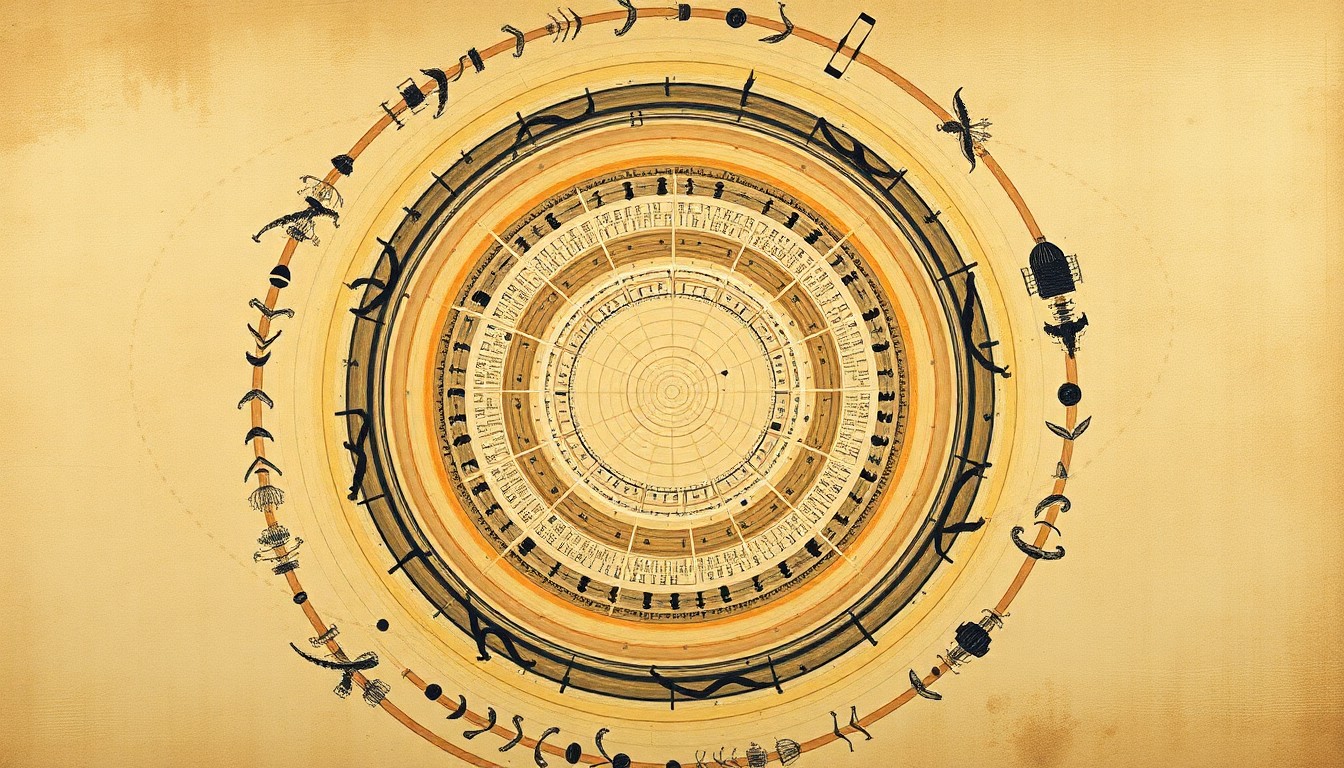 Cutting-edge technology is finally allowing researchers to virtually unroll and decipher the long-buried secrets of the ancient Herculaneum papyri, unlocking a trove of classical Greek and Roman literature.Orem Today
Utah Valley University is hosting 'The Buried Library' conference, a four-day event examining how AI and advanced imaging are helping researchers decipher ancient Herculaneum papyri scrolls that were buried and carbonized by the eruption of Mount Vesuvius in 79 AD. The conference features world-class scholars from various disciplines who are utilizing these new technologies to recover the lost writing inside the scrolls, which have been essentially unreadable since their discovery in 1752.
Why it matters
The Herculaneum papyri scrolls contain writings from ancient philosophers like Philodemus and Epicurus, providing a rare window into classical Greek and Roman literature. Advances in AI and digital imaging are finally allowing researchers to virtually unroll and read these charred, fragile scrolls, unlocking knowledge that has been buried for nearly 2,000 years.
The details
Researchers originally tried to manually open the papyrus scrolls, but that process proved destructive and largely unsuccessful. In recent decades, methods developed at Brigham Young University to digitally image the unrolled papyrus layers have helped preserve the scrolls and reveal the writing. Now, AI and other technologies can detect and distinguish the ink on the ancient, carbonized scrolls, allowing the text to be recovered and studied.
- The Buried Library conference began on April 7, 2026 and runs for four days.
- In 2023, AI technology identified the first word inside the charred Herculaneum scrolls: 'Porphyras', which is Greek for purple or purple dye.
The players
Michael Shaw
Event organizer and philosophy professor at Utah Valley University.
Roger Macfarlane
Classical studies professor at Brigham Young University who pioneered methods to digitally image unrolled papyrus layers.
Gianluca Del Mastro
Lead papyrologist on the Herculaneum Papyri project and presenter at the conference.
Christy Chapman
Assistant research professor of computer science at the University of Kentucky, part of the team that did the virtual unwrapping of the four original ancient Herculaneum Papyri.
Alessia Lavorante
Papyrologist at the University of Naples Federico II.
What they’re saying
“This is an amazing occasion to be together and for rediscovering our culture, our history and our roots in Greek and Latin literature.”
— Gianluca Del Mastro, University of Campania Luigi Vanvitelli professor and lead papyrologist on the Herculaneum Papyri project
“Innovations such as AI are helping researchers 'take the little steps in the knowledge of ancient antiquity.'”
— Gianluca Del Mastro, University of Campania Luigi Vanvitelli professor and lead papyrologist on the Herculaneum Papyri project
What’s next
The conference organizers hope the event will inspire more people to study in fields like papyrology, volcanology, and computer science to help further the research on the ancient Herculaneum papyri.
The takeaway
The Buried Library conference showcases how the convergence of technology and the humanities can unlock new insights into our ancient past, demonstrating the power of interdisciplinary collaboration to uncover long-buried knowledge.