- Today
- Holidays
- Birthdays
- Reminders
- Cities
- Atlanta
- Austin
- Baltimore
- Berwyn
- Beverly Hills
- Birmingham
- Boston
- Brooklyn
- Buffalo
- Charlotte
- Chicago
- Cincinnati
- Cleveland
- Columbus
- Dallas
- Denver
- Detroit
- Fort Worth
- Houston
- Indianapolis
- Knoxville
- Las Vegas
- Los Angeles
- Louisville
- Madison
- Memphis
- Miami
- Milwaukee
- Minneapolis
- Nashville
- New Orleans
- New York
- Omaha
- Orlando
- Philadelphia
- Phoenix
- Pittsburgh
- Portland
- Raleigh
- Richmond
- Rutherford
- Sacramento
- Salt Lake City
- San Antonio
- San Diego
- San Francisco
- San Jose
- Seattle
- Tampa
- Tucson
- Washington
Millcreek Today
By the People, for the People
Refugee Families Struggle as U.S. Policies Shift
Dismantling of refugee resettlement systems leaves many uncertain about their futures
Apr. 15, 2026 at 7:20pm
Got story updates? Submit your updates here. ›
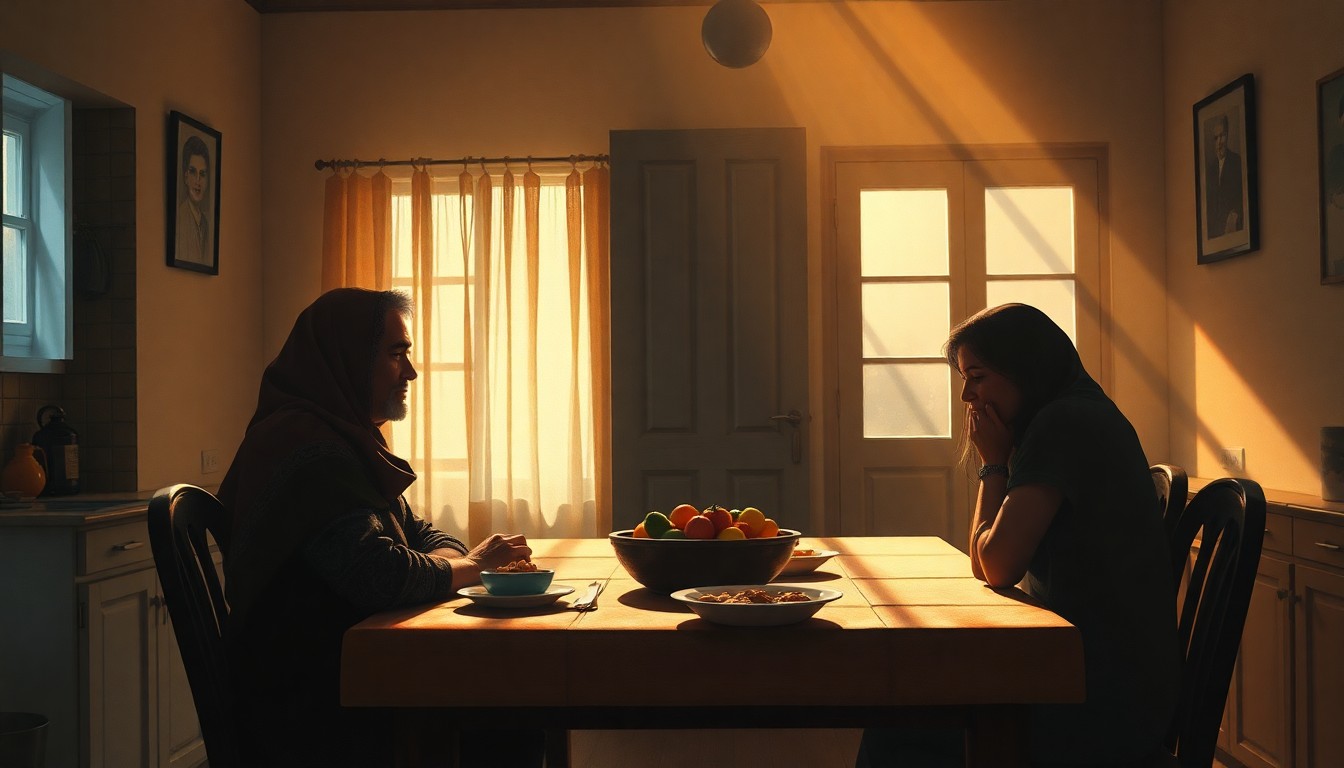
 As refugee families face growing uncertainty about their legal status and ability to rebuild their lives in the U.S., the country's moral character is tested.Millcreek Today
As the U.S. refugee program faces changes and delays, refugee families who have done everything right are being forced to make difficult choices, with some leaving the country they hoped would provide safety and stability. The author, who has worked with refugees for over a decade, shares heartbreaking stories of families torn apart and the growing gap between the country's values and its policies.
Why it matters
The treatment of refugees in the U.S. reflects the country's values and priorities. As the systems and processes meant to help refugees rebuild their lives are dismantled, it raises questions about the nation's commitment to compassion and its willingness to support those fleeing persecution and war.
The details
The article shares the stories of two refugee families - a mother from Sudan who is forced to leave the U.S. without her son, and a Ukrainian family whose legal status and work authorization have become uncertain. These are not isolated incidents, but part of a broader trend the author has witnessed of refugees being treated with increasing suspicion and facing unnecessary barriers, rather than being welcomed and supported as they work to rebuild their lives.
- The author hugged a Sudanese mother who is leaving the U.S. to return to Kenya with several of her young children.
- A few months ago, the author had a similar experience with a Ukrainian family who received conflicting letters about their legal status, causing anxiety about their ability to remain in the country.
The players
Fatma Elkhailfa
A refugee from Sudan who was photographed at the Utah Refugee Day celebration.
Soumaya Ali
A refugee from Sudan who was photographed at the Utah Refugee Day celebration.
What they’re saying
“As we stood there holding each other, both feeling the tears begin to fall, my heart ached for her pain. I wondered if I would see her again.”
— The author
“The emotional whiplash of those contrasting letters ignited anxiety. How do you rebuild a life if you are unsure if your work status will be renewed and you are receiving letters like this?”
— The author
“A dear friend from the refugee community recently spoke about leadership. She reminded the group of over 150 women that a true leader steps forward with humility and compassion. She reminded us that each of us is no better than another one.”
— The author
What’s next
The author expresses uncertainty about whether she will see the refugee families she has worked with again, as more are forced to make the difficult choice to leave the U.S.
The takeaway
The treatment of refugees in the U.S. reveals a growing disconnect between the country's values of compassion and the reality of policies that create unnecessary barriers and uncertainty for those seeking safety and stability. This raises questions about the nation's commitment to supporting vulnerable populations and the long-term consequences of abandoning the systems meant to help refugees rebuild their lives.