- Today
- Holidays
- Birthdays
- Reminders
- Cities
- Atlanta
- Austin
- Baltimore
- Berwyn
- Beverly Hills
- Birmingham
- Boston
- Brooklyn
- Buffalo
- Charlotte
- Chicago
- Cincinnati
- Cleveland
- Columbus
- Dallas
- Denver
- Detroit
- Fort Worth
- Houston
- Indianapolis
- Knoxville
- Las Vegas
- Los Angeles
- Louisville
- Madison
- Memphis
- Miami
- Milwaukee
- Minneapolis
- Nashville
- New Orleans
- New York
- Omaha
- Orlando
- Philadelphia
- Phoenix
- Pittsburgh
- Portland
- Raleigh
- Richmond
- Rutherford
- Sacramento
- Salt Lake City
- San Antonio
- San Diego
- San Francisco
- San Jose
- Seattle
- Tampa
- Tucson
- Washington
Remembering the 1964 Tornado 64 Years Later
Broadcast coverage of the deadly storm still resonates across Texoma region
Apr. 4, 2026 at 3:26am
Got story updates? Submit your updates here. ›
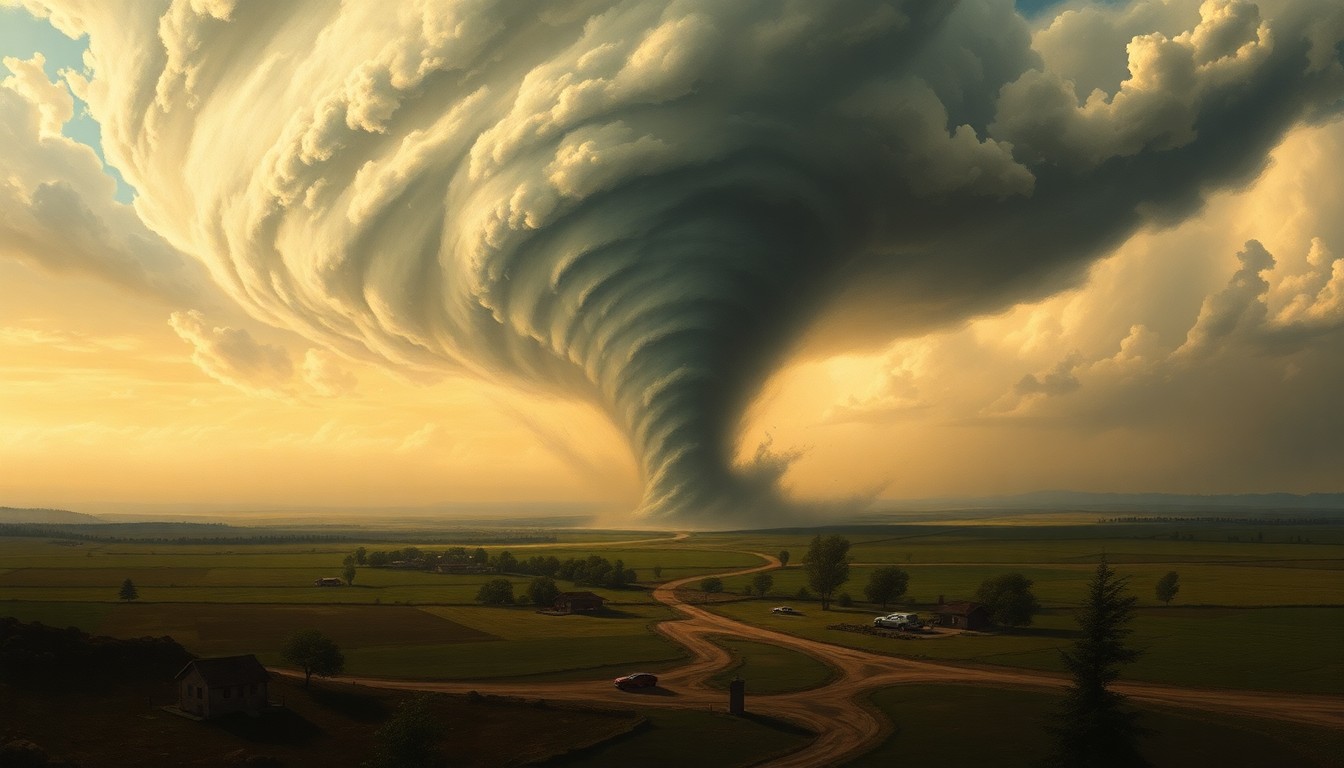 The 1964 Wichita Falls tornado, captured in a sweeping, atmospheric landscape that reflects the raw power and destruction of the deadly storm.Wichita Falls Today
62 years after a deadly tornado tore through Wichita Falls and Sheppard Air Force Base in Texas, the impact of that day and the way it was covered live on television still resonates across the region. The News Channel 6 team made the split-second decision to keep rolling, bringing the tornado to viewers in real-time, capturing a defining moment in local broadcast history.
Why it matters
The 1964 tornado was a pivotal event that revealed the need for better storm preparedness and advanced weather coverage capabilities. While technology has transformed how storms are reported today, the bravery and quick thinking of the News Channel 6 crew in 1964 set a precedent for live, on-the-ground tornado reporting.
The details
The tornado touched down just after 2:30 p.m., carving a destructive path through Wichita Falls before moving toward Oklahoma. For then-young cameraman Carl Nichols and the News Channel 6 team, the day began like any other, but they made the split-second decision to keep rolling, bringing the tornado to viewers live on television despite the risks.
- The tornado touched down just after 2:30 p.m. on April 3, 1964.
- The News Channel 6 team captured the tornado live on television that day.
The players
Carl Nichols
A young cameraman for News Channel 6 who captured the 1964 tornado live on television, making a split-second decision to keep rolling despite the risks.
News Channel 6
The local television news station that broadcast the 1964 tornado live, providing viewers with a rare, real-time look at the dangerous storm.
What they’re saying
“When we first picked it up, we didn't expect it to do anything that serious. We were young and didn't have a care in the world. It just went from Freemore Valley over into Sunset Terrace by City View ISD, and then it went on the base, disappearing into Oklahoma.”
— Carl Nichols, Cameraman
“We didn't know whether to stay with it or run. It was all happening so fast that we really didn't have a whole lot of opportunity to develop fear or a plan of action.”
— Carl Nichols, Cameraman
“I think if you had to take away anything, it would be the extent of destruction and the need of doing something to be prepared.”
— Carl Nichols, Cameraman
What’s next
The 1964 tornado remains a pivotal event in the history of severe weather coverage, and its legacy continues to shape how storms are reported today. As technology advances, journalists and meteorologists will likely find new ways to bring the power and danger of tornadoes to viewers in real-time, while prioritizing safety and preparedness.
The takeaway
The bravery and quick thinking of the News Channel 6 crew in 1964 set a precedent for live, on-the-ground tornado reporting, and their coverage of the devastating storm revealed the need for better storm preparedness in the Texoma region. While technology has transformed how storms are covered today, the 1964 tornado remains a defining moment in local broadcast history.