- Today
- Holidays
- Birthdays
- Reminders
- Cities
- Atlanta
- Austin
- Baltimore
- Berwyn
- Beverly Hills
- Birmingham
- Boston
- Brooklyn
- Buffalo
- Charlotte
- Chicago
- Cincinnati
- Cleveland
- Columbus
- Dallas
- Denver
- Detroit
- Fort Worth
- Houston
- Indianapolis
- Knoxville
- Las Vegas
- Los Angeles
- Louisville
- Madison
- Memphis
- Miami
- Milwaukee
- Minneapolis
- Nashville
- New Orleans
- New York
- Omaha
- Orlando
- Philadelphia
- Phoenix
- Pittsburgh
- Portland
- Raleigh
- Richmond
- Rutherford
- Sacramento
- Salt Lake City
- San Antonio
- San Diego
- San Francisco
- San Jose
- Seattle
- Tampa
- Tucson
- Washington
Presidio Today
By the People, for the People
Trump's Border Wall Halted: Texas Communities Fight Back in Big Bend
Local opposition and environmental concerns stall construction of controversial barrier in West Texas
Apr. 12, 2026 at 5:49am
Got story updates? Submit your updates here. ›
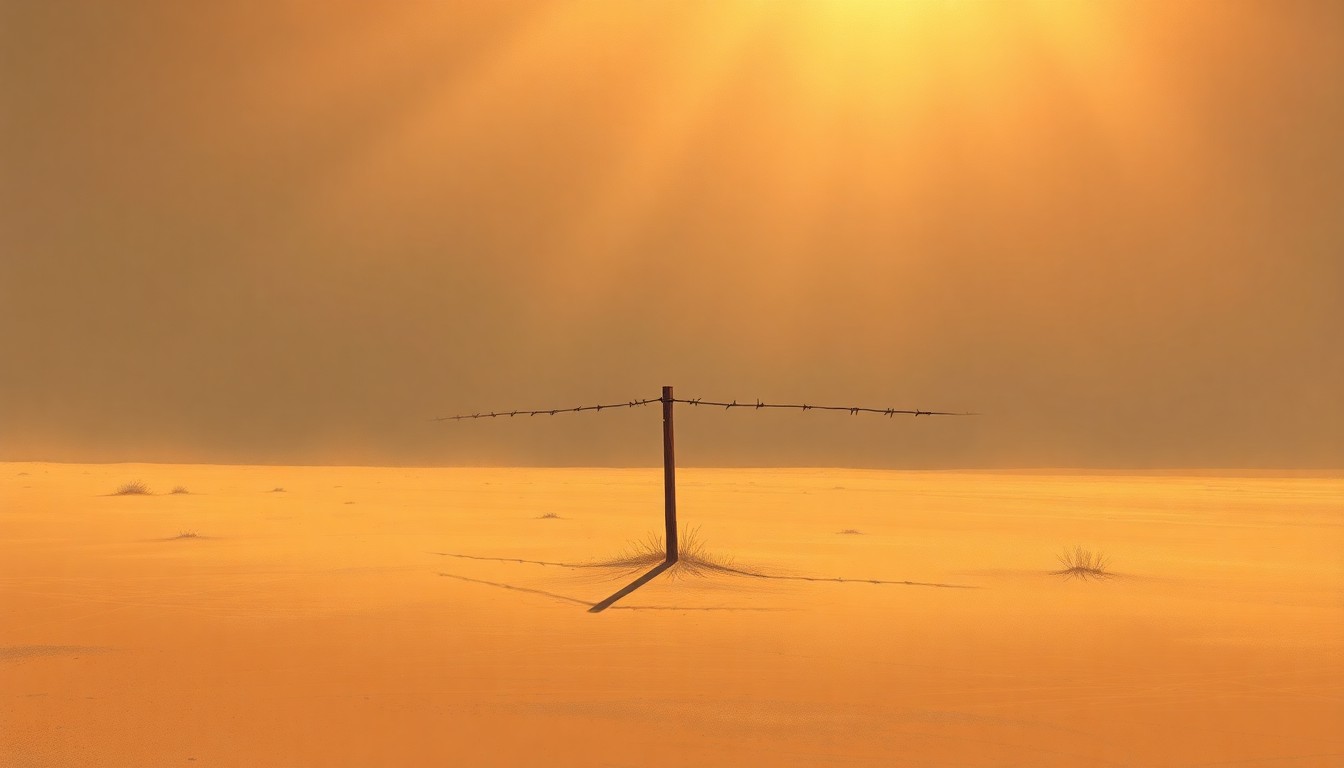 The rugged terrain and tight-knit community of West Texas have become a formidable force against the physical steel wall, a symbol of Trump's controversial immigration policies.Presidio Today
The story of the unbuilding of Trump's border wall in West Texas is a tale of local resistance against a national policy. Presidio County Sheriff Danny Dominguez and the tight-knit community have effectively reduced the planned steel barriers from hundreds of miles to just over 175, citing low border crossings and the wall's threat to the region's environment and way of life.
Why it matters
This story highlights the power of local knowledge and community organizing to shape national policies. The Big Bend region's unique terrain and the residents' unified voice, transcending political affiliations, have become a formidable force against the border wall, a symbol of Trump's controversial immigration agenda.
The details
The community's pushback has been multifaceted, addressing concerns over environmental degradation, private property rights, and the wall's disruption of animal migrations and the region's renowned dark night skies. Archaeologist and local resident David Keller attributes the success to the community's unified voice. However, the fight is far from over, with the involvement of Texas Governor Greg Abbott and Border Patrol Chief Mike Banks adding to the political intrigue.
- In 2026, the Trump administration's plans for a border wall in the Big Bend region of West Texas were significantly reduced from hundreds of miles to just over 175 miles.
- Presidio County Sheriff Danny Dominguez has been a vocal opponent of the border wall, citing low border crossings in the Big Bend sector.
The players
Danny Dominguez
The Presidio County Sheriff, who has been a vocal opponent of the border wall, arguing that the low number of border crossings in the Big Bend sector does not justify the need for a physical barrier.
David Keller
An archaeologist and local resident who attributes the community's success in reducing the planned border wall to their unified voice, transcending political affiliations.
Greg Abbott
The Governor of Texas, whose involvement in the border wall issue has added to the political intrigue surrounding the story.
Mike Banks
The Border Patrol Chief, whose role in the border wall project has also contributed to the complex web of federal agencies and political interests at play.
Charlie Angell
A local resident whose riverfront property is slated to have a wall just 10 feet from his backdoor, symbolizing the potential loss of a way of life for the community.
What they’re saying
“We must inform the President about the realities on the ground. The low number of encounters at the southern border in the Big Bend sector seems to support our argument that a physical wall is not the solution.”
— Danny Dominguez, Presidio County Sheriff
“The community's unified voice, transcending political affiliations, has been the key to our success in reducing the planned steel barriers.”
— David Keller, Archaeologist and local resident
What’s next
The community's fight against the border wall is far from over, as they continue to navigate the complex web of federal agencies and political interests. The environmental and cultural implications of the wall remain a significant concern, and the story of West Texas' resistance highlights the importance of local voices in shaping national narratives.
The takeaway
The story of the unbuilding of Trump's border wall in West Texas demonstrates the power of local knowledge and community organizing to shape national policies. It serves as a reminder that large-scale projects must consider the unique realities and perspectives of those they impact, and that the voices of those on the ground can be a formidable force against even the most ambitious of federal initiatives.