- Today
- Holidays
- Birthdays
- Reminders
- Cities
- Atlanta
- Austin
- Baltimore
- Berwyn
- Beverly Hills
- Birmingham
- Boston
- Brooklyn
- Buffalo
- Charlotte
- Chicago
- Cincinnati
- Cleveland
- Columbus
- Dallas
- Denver
- Detroit
- Fort Worth
- Houston
- Indianapolis
- Knoxville
- Las Vegas
- Los Angeles
- Louisville
- Madison
- Memphis
- Miami
- Milwaukee
- Minneapolis
- Nashville
- New Orleans
- New York
- Omaha
- Orlando
- Philadelphia
- Phoenix
- Pittsburgh
- Portland
- Raleigh
- Richmond
- Rutherford
- Sacramento
- Salt Lake City
- San Antonio
- San Diego
- San Francisco
- San Jose
- Seattle
- Tampa
- Tucson
- Washington
Los Angeles Today
By the People, for the People
China Weighs Curbs on Solar Equipment Exports to US
Potential move could threaten US firms' plans to expand solar manufacturing capacity.
Apr. 15, 2026 at 8:50am
Got story updates? Submit your updates here. ›
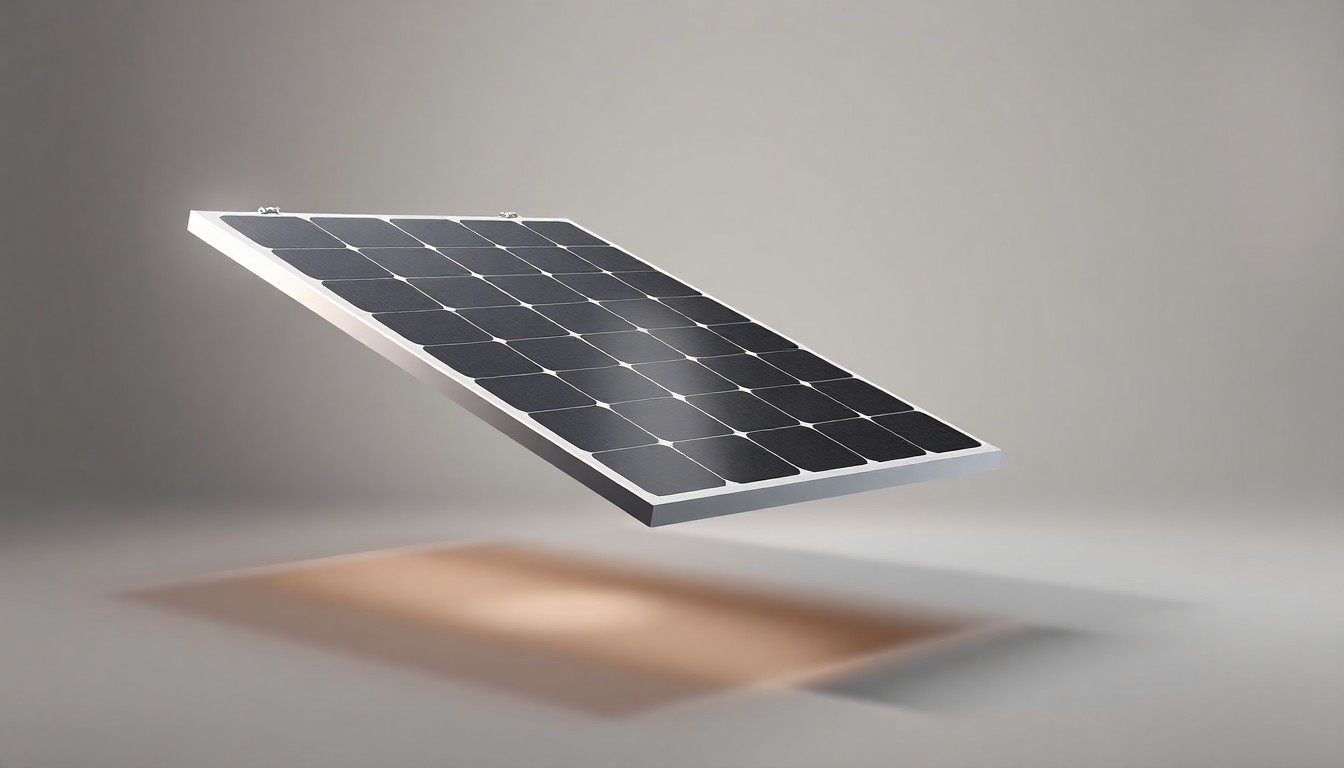 As the US-China tech rivalry intensifies, Beijing considers limiting exports of advanced solar manufacturing equipment, a move that could impact US firms' plans to expand domestic production.Los Angeles Today
Chinese officials have held initial talks with providers of solar panel manufacturing equipment as they consider limiting exports of the most advanced technology to the United States, according to five people familiar with the consultations. Such a clampdown could risk investments by US firms and set back a race for space-based computing, as China is home to the top suppliers of equipment to make solar cells.
Why it matters
This potential move by China would widen export controls in another area of technology where China has a lead, building on Beijing's previous actions to control rare earth exports. It comes as the rivalry between China and the US has spilled into the race to produce space-based computing powered by solar panels, a focus for Tesla CEO Elon Musk and other US tech companies.
The details
No rule has been finalized yet, and the talks have not advanced to the stage of canvassing formal feedback from the solar industry, which is grappling with severe overcapacity after years of aggressive expansion. If adopted, such a move could threaten plans by US firms like Tesla to build new factories or expand existing ones to boost local solar panel production. It would also widen export controls in another area of technology where China has a lead.
- On April 15, 2026, Reuters reported on the initial talks between Chinese officials and solar equipment providers.
- China threatened licensing requirements for exports of high-end batteries and materials for energy storage systems in 2025, but paused implementation until November 2026.
The players
China's Commerce Ministry
The government ministry that oversees trade and commerce policies in China.
China's State Council
The chief administrative authority, or cabinet, of the People's Republic of China.
Elon Musk
CEO of Tesla, who has pushed a goal of making 100 gigawatts of solar manufacturing capacity on American soil before 2028.
Xu Xiaohua
Chairman of Anhui Huasun Energy, a Chinese solar company, who called for greater efforts by Chinese companies to retain their lead in solar technology.
Suzhou Maxwell Technologies
A Chinese solar equipment supplier that was visited by officials after Reuters reported on Tesla's talks to buy equipment from Chinese suppliers.
What they’re saying
“Tesla succeeding in its solar self-sufficiency push could prove a nightmare for China's world-leading solar manufacturers.”
— Trivium China, Research firm focused on Chinese government policy
“Beijing won't sit idly by as its industrial champions inadvertently aid the industrial policies of rival countries.”
— Trivium China, Research firm focused on Chinese government policy
What’s next
The prospect of China's curb comes amid preparations for a summit of leaders Xi Jinping and Donald Trump in the Chinese capital next month, which both sides view as an opportunity to preserve more stable ties on trade matters.
The takeaway
This potential move by China highlights the ongoing technology rivalry between the US and China, as both countries seek to gain an edge in the race for solar manufacturing and space-based computing. It also underscores the challenges facing the global solar industry, which is grappling with overcapacity and the shifting geopolitical landscape.