- Today
- Holidays
- Birthdays
- Reminders
- Cities
- Atlanta
- Austin
- Baltimore
- Berwyn
- Beverly Hills
- Birmingham
- Boston
- Brooklyn
- Buffalo
- Charlotte
- Chicago
- Cincinnati
- Cleveland
- Columbus
- Dallas
- Denver
- Detroit
- Fort Worth
- Houston
- Indianapolis
- Knoxville
- Las Vegas
- Los Angeles
- Louisville
- Madison
- Memphis
- Miami
- Milwaukee
- Minneapolis
- Nashville
- New Orleans
- New York
- Omaha
- Orlando
- Philadelphia
- Phoenix
- Pittsburgh
- Portland
- Raleigh
- Richmond
- Rutherford
- Sacramento
- Salt Lake City
- San Antonio
- San Diego
- San Francisco
- San Jose
- Seattle
- Tampa
- Tucson
- Washington
Calcium Channel Mutations Linked to Childhood Epilepsy
Baylor researchers uncover how inherited genetic changes disrupt early brain development and predispose children to seizures and cognitive challenges.
Apr. 4, 2026 at 2:30am
Got story updates? Submit your updates here. ›
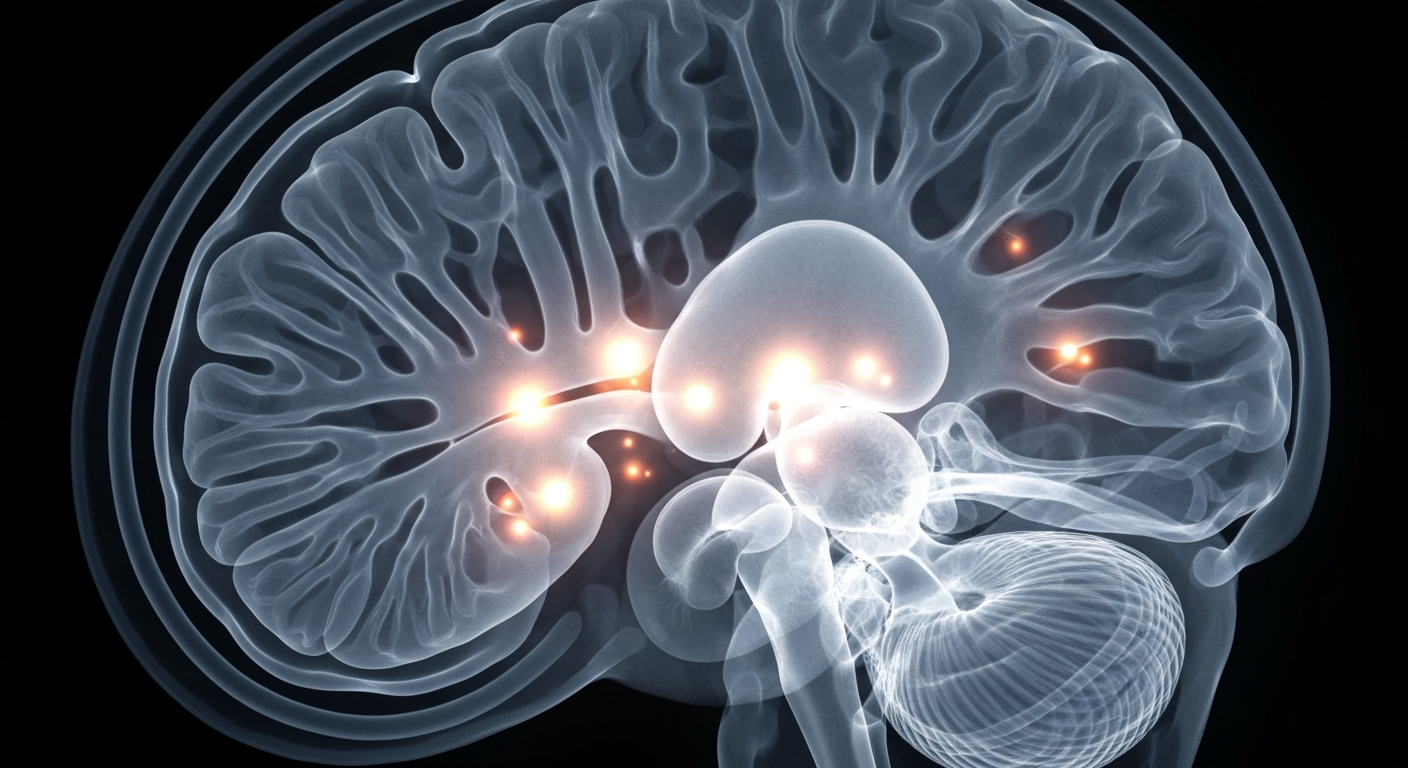 Cutting-edge X-ray imaging reveals the hidden developmental origins of childhood epilepsy, exposing the complex neural circuitry disrupted by genetic mutations.Houston Today
Researchers at Baylor College of Medicine have discovered that inherited mutations in P/Q-type calcium channels, which are critical regulators of neurotransmitter release in the brain, can disrupt early brain development and predispose children to epilepsy and related cognitive issues. The study, published in Neuron, found that these mutations increase thalamic excitability and activate pro-epileptic gene pathways, as well as a major growth signaling pathway, leading to excessive proliferation of thalamic relay neurons even before birth.
Why it matters
This research provides new insights into the origins of childhood epilepsy, which often arises much earlier in development than the onset of seizures would suggest. Understanding how these genetic and developmental pathways interact could lead to earlier diagnostics and more targeted therapies to address both the seizures and cognitive deficits associated with childhood epilepsy.
The details
Using a mouse model of childhood absence epilepsy, the researchers traced how a single calcium channel mutation influences genetic pathways. They found that while the loss-of-function mutation impairs neurotransmitter release, it also increases thalamic excitability and significantly upregulates two pro-epileptic genes previously linked to absence epilepsy in children. Unexpectedly, the altered calcium channel also activated the Wnt growth signaling pathway, driving excessive proliferation of thalamic relay neurons critical for regulating consciousness and sensory processing, even before birth.
- The study was published in the journal Neuron in 2026.
The players
Baylor College of Medicine
A private medical school and research institution located in Houston, Texas.
Samantha Thompson
A graduate student at Baylor College of Medicine who co-authored the study.
Dr. Qing-Long Miao
An assistant professor of neurology at Baylor College of Medicine who co-authored the study.
Dr. Jeffrey Noebels
The director of the Blue Bird Circle Developmental Neurogenetic Laboratory at Baylor College of Medicine.
Anika Sonig
A researcher at the Developmental Neurogenetics Laboratory at Baylor College of Medicine who contributed to the study.
What they’re saying
“While loss-of-function mutations in P/Q-type calcium channels impair neurotransmitter release, we were surprised to find that they also increase thalamic excitability.”
— Dr. Qing-Long Miao, Assistant Professor of Neurology, Baylor College of Medicine
“Strikingly, this surge in neuronal growth began before birth, indicating that the disorder's origins arise much earlier than the childhood onset of seizures would suggest.”
— Samantha Thompson, Graduate Student, Baylor College of Medicine
“These insights open the door to earlier diagnostics and more targeted therapies. Understanding how these pathways interact and pinpointing the correct target could transform how we treat the seizures and attention deficit in childhood epilepsy.”
— Dr. Jeffrey Noebels, Director, Blue Bird Circle Developmental Neurogenetic Laboratory, Baylor College of Medicine
What’s next
The authors suggest that the simultaneous dysregulation of two epilepsy-related gene pathways may help explain why many children fail to respond to standard single-agent antiseizure medications. This discovery opens new avenues for earlier detection and the development of targeted therapies aimed at both neural excitability and developmental signaling pathways that could one day improve outcomes in children affected by epilepsy and related neurodevelopmental disorders.
The takeaway
This research provides critical insights into the early developmental origins of childhood epilepsy, revealing how subtle genetic changes can disrupt brain circuit formation long before seizures begin. These findings could lead to breakthroughs in earlier diagnosis and more effective, targeted treatments to address both the seizures and cognitive deficits associated with this disorder.
Houston top stories



Houston events

Apr. 5, 2026
Disney On Ice presents Jump In!
Apr. 5, 2026
Beto Cuevas - Acustico
Apr. 5, 2026
Houston Gamblers v. Birmingham Stallions