- Today
- Holidays
- Birthdays
- Reminders
- Cities
- Atlanta
- Austin
- Baltimore
- Berwyn
- Beverly Hills
- Birmingham
- Boston
- Brooklyn
- Buffalo
- Charlotte
- Chicago
- Cincinnati
- Cleveland
- Columbus
- Dallas
- Denver
- Detroit
- Fort Worth
- Houston
- Indianapolis
- Knoxville
- Las Vegas
- Los Angeles
- Louisville
- Madison
- Memphis
- Miami
- Milwaukee
- Minneapolis
- Nashville
- New Orleans
- New York
- Omaha
- Orlando
- Philadelphia
- Phoenix
- Pittsburgh
- Portland
- Raleigh
- Richmond
- Rutherford
- Sacramento
- Salt Lake City
- San Antonio
- San Diego
- San Francisco
- San Jose
- Seattle
- Tampa
- Tucson
- Washington
Trump Pardons 5 Former NFL Stars in Surprise Clemency Move
Pardons granted to players with past legal troubles, including a posthumous pardon
Published on Feb. 13, 2026
Got story updates? Submit your updates here. ›
In a surprising move, President Donald Trump has issued pardons to five former NFL athletes - Joe Klecko, Nate Newton, Jamal Lewis, Travis Henry, and the late Billy Cannon. The pardons cover a range of past legal issues the players faced, including perjury, drug trafficking, and counterfeiting.
Why it matters
This unexpected decision to pardon high-profile former NFL players raises questions about justice, rehabilitation, and the influence of public figures in clemency decisions. The inclusion of a posthumous pardon extends the conversation beyond present-day impacts to legacy and forgiveness.
The details
Among the pardoned, Joe Klecko, a New York Jets star and Pro Football Hall of Famer, had pleaded guilty to perjury linked to an insurance fraud investigation. Nate Newton, known for his tenure with the Dallas Cowboys, faced a federal drug-trafficking charge. Jamal Lewis, who earned a Super Bowl ring with the Baltimore Ravens, admitted to involvement in a drug case. Travis Henry, a Pro Bowl running back, pled guilty to cocaine trafficking. Billy Cannon, a former player for the Houston Oilers and Oakland Raiders who won the Heisman Trophy, was granted a posthumous pardon for a counterfeiting conviction in the 1980s.
- On Thursday night, President Donald Trump issued the pardons.
The players
Joe Klecko
A New York Jets star and Pro Football Hall of Famer who had pleaded guilty to perjury linked to an insurance fraud investigation.
Nate Newton
Known for his tenure with the Dallas Cowboys, he faced a federal drug-trafficking charge.
Jamal Lewis
Earned a Super Bowl ring with the Baltimore Ravens and became the 2003 Offensive Player of the Year, he admitted to involvement in a drug case.
Travis Henry
A Pro Bowl running back who pled guilty to conspiracy related to cocaine trafficking.
Billy Cannon
A former player for the Houston Oilers and Oakland Raiders who won the Heisman Trophy in 1959 at LSU, he was granted a posthumous pardon for a counterfeiting conviction in the 1980s.
What they’re saying
“As football reminds us, excellence is built on grit, grace, and the courage to rise again. So is our nation.”
— Alice Mary Johnson, White House pardon coordinator (Twitter)
The takeaway
This decision to pardon high-profile former NFL players with past legal troubles raises complex questions about justice, rehabilitation, and the role of public figures in clemency. The inclusion of a posthumous pardon also extends the conversation to legacy and forgiveness.
Houston top stories


Houston events
Feb. 17, 2026
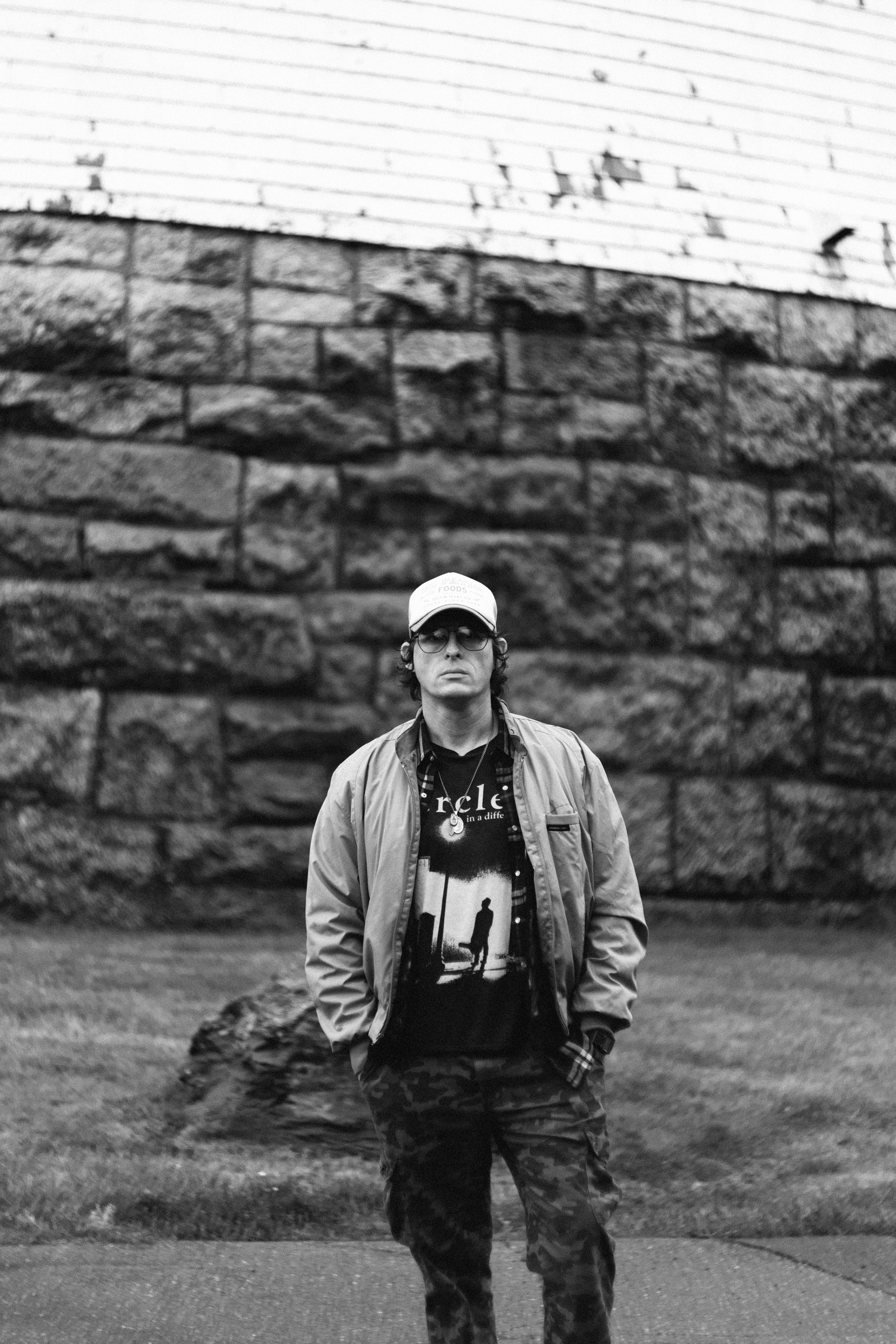
Stephen Wilson Jr.