- Today
- Holidays
- Birthdays
- Reminders
- Cities
- Atlanta
- Austin
- Baltimore
- Berwyn
- Beverly Hills
- Birmingham
- Boston
- Brooklyn
- Buffalo
- Charlotte
- Chicago
- Cincinnati
- Cleveland
- Columbus
- Dallas
- Denver
- Detroit
- Fort Worth
- Houston
- Indianapolis
- Knoxville
- Las Vegas
- Los Angeles
- Louisville
- Madison
- Memphis
- Miami
- Milwaukee
- Minneapolis
- Nashville
- New Orleans
- New York
- Omaha
- Orlando
- Philadelphia
- Phoenix
- Pittsburgh
- Portland
- Raleigh
- Richmond
- Rutherford
- Sacramento
- Salt Lake City
- San Antonio
- San Diego
- San Francisco
- San Jose
- Seattle
- Tampa
- Tucson
- Washington
Choctaw Code Talkers Honored with Historical Marker in Fort Worth
Descendants gather to unveil marker recognizing Native American soldiers' critical role in World War I
Apr. 3, 2026 at 7:21pm
Got story updates? Submit your updates here. ›
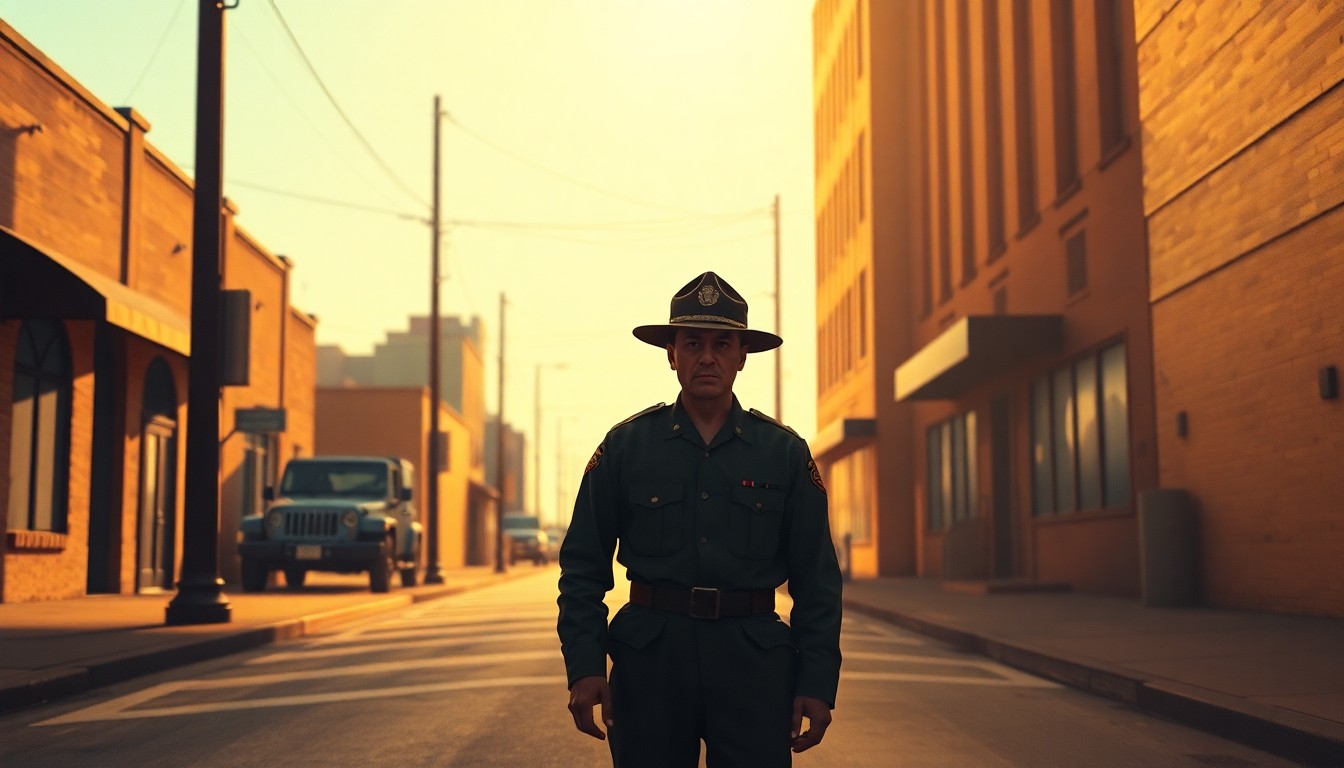 The new historical marker in Fort Worth's Veterans Memorial Park honors the legacy of the pioneering Choctaw code talkers, whose use of their native language as an unbreakable military code played a crucial role in Allied victories during World War I.Fort Worth Today
Descendants of the Choctaw code talkers, a group of 19 Native American soldiers who used their language to transmit encrypted messages to the Allies during World War I, gathered in Fort Worth, Texas to unveil a new historical marker honoring their legacy. The marker was placed at the city's Veterans Memorial Park, where the code talkers were initially trained before deploying to the battlefields of France.
Why it matters
The Choctaw code talkers were among the first Native American soldiers to serve in the U.S. military, at a time when their communities were not even recognized as citizens. Their innovative use of the Choctaw language as an unbreakable code played a crucial role in Allied victories, paving the way for the famous Navajo code talkers of World War II. Honoring their legacy helps preserve an important part of American and Native American history.
The details
The Choctaw Code Talker Historical Marker was unveiled during an April 1 ceremony hosted by the Oklahoma tribe, the Texas Historical Commission, and the Fort Worth parks department. Several descendants of the code talkers attended the event, including Nuchi Nashoba, president of the Choctaw Code Talkers Association, and Ta'Na Alexander, the great-great-granddaughter of code talker Ben Carterby. The marker details how the Choctaw soldiers used words like 'tanampo chito' for artillery and 'tvshka' for warriors to transmit messages the Germans could not decipher.
- The Choctaw code talkers served during World War I campaigns in northern France.
- The historical marker was unveiled on April 1, 2026.
The players
Nuchi Nashoba
President of the Choctaw Code Talkers Association and great-granddaughter of code talker Ben Carterby.
Ta'Na Alexander
Great-great-granddaughter of Choctaw code talker Ben Carterby.
Choctaw Code Talkers
A group of 19 Native American soldiers who used their Choctaw language to transmit encrypted messages to the Allies during World War I campaigns in France.
Choctaw Nation
The Oklahoma-based Native American tribe that hosted the unveiling ceremony for the historical marker.
Texas Historical Commission
The state agency that collaborated with the Choctaw Nation and Fort Worth on the historical marker.
What they’re saying
“Seeing the marker really brings me a lot of joy. This is what preserves the history for generations to come.”
— Nuchi Nashoba, President, Choctaw Code Talkers Association
“Their story is a testament to the resilience and patriotism of the Choctaw Nation. Their ingenuity and bravery reminds us of the power of cultural heritage and the importance of preserving Indigenous languages.”
— Col. Brent Kemp, Commander, 56th Infantry Brigade Combat Team, National Guard
“It's pretty monumental to realize that more people are starting to recognize the significant part of these men who were sworn to secrecy. This marker connects the past to the future.”
— Ta'Na Alexander, Great-great-granddaughter of Choctaw code talker Ben Carterby
What’s next
The Choctaw Code Talkers Association is exploring additional statewide recognitions and memorials to honor the legacy of the Native American soldiers in Texas and beyond.
The takeaway
The unveiling of the Choctaw Code Talker Historical Marker in Fort Worth is an important step in preserving and sharing the untold story of these pioneering Native American soldiers, whose bravery and innovation played a crucial role in Allied victories during World War I. Their legacy continues to inspire and educate new generations about the vital contributions of Indigenous communities to American history.
Fort Worth top stories

Fort Worth events
Apr. 9, 2026
Dallas Cowboys Cheerleaders LIVE!
Apr. 9, 2026
Tyler Braden: devil and a prayer TOUR
Apr. 9, 2026
FEI World Cup 2026: Session 2 - Jumping Round 1